
Children's Storage Units
Image Search
Sort By
Add keywords
Price
On Sale
Material
Colour
Dimensions
Retailer
Out of stock
All Filters
153 products from 14 retailers
Compare



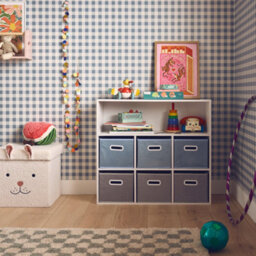
25% Off
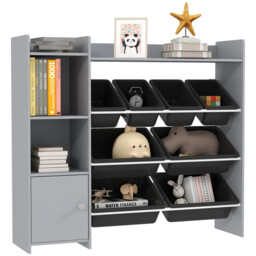

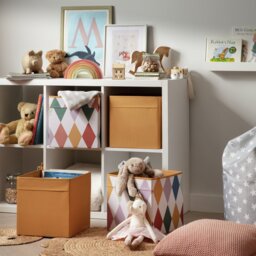

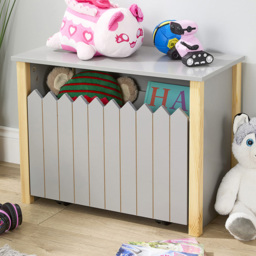

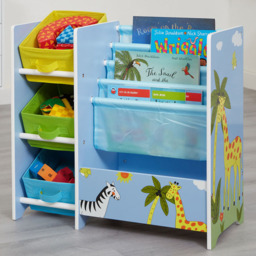
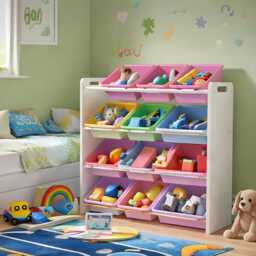

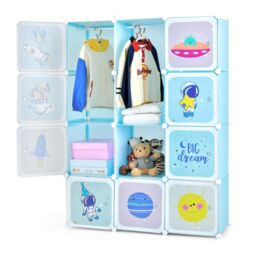
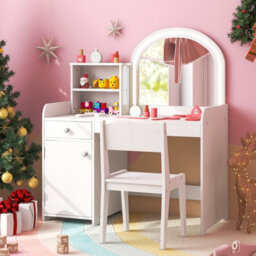
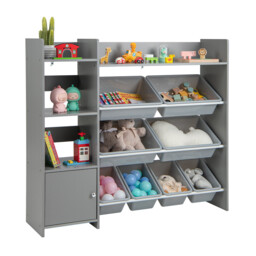
36% Off
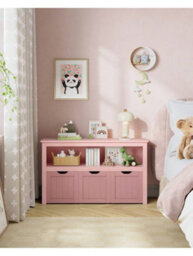
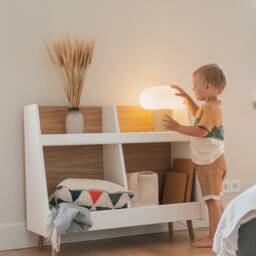
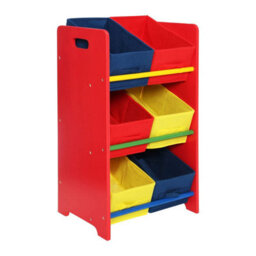
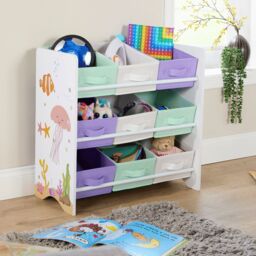

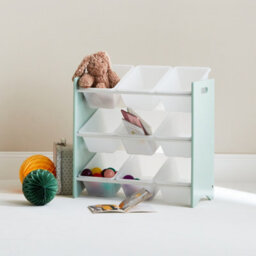
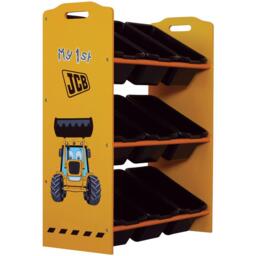

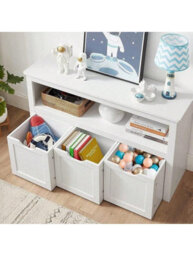
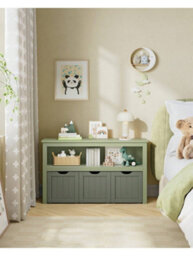
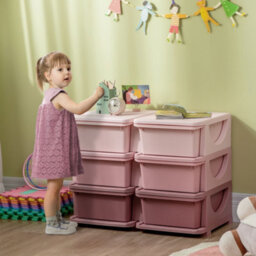
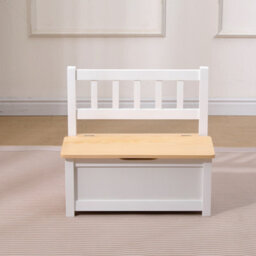
46% Off
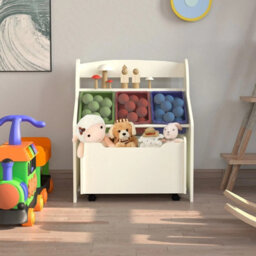
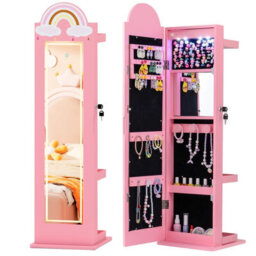
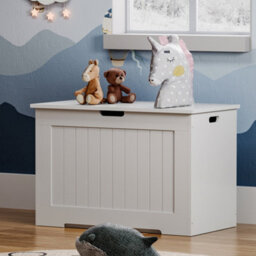

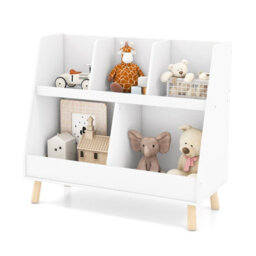
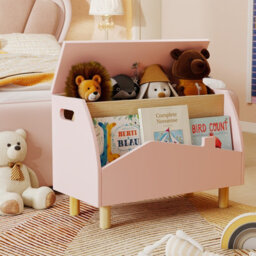
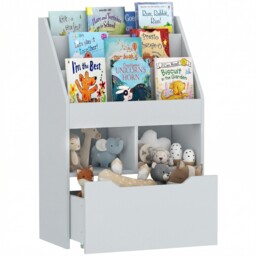

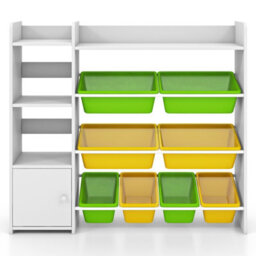
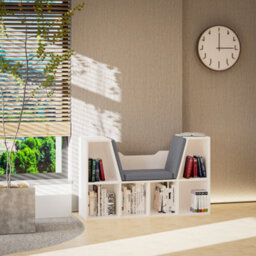
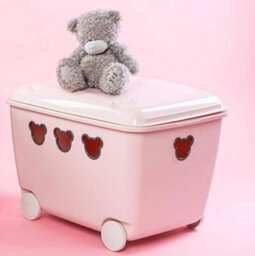
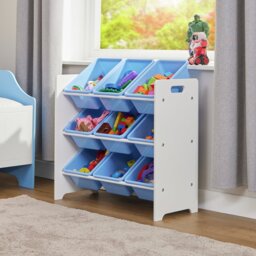

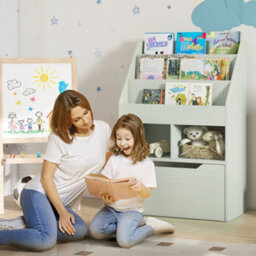
You've seen 48 of 153 Products
Page
of 4
Children's Storage Units
Children’s storage helps keep busy spaces tidy while supporting everyday routines. These practical solutions make it easier to organise toys, books, and games in one place. As a result, children can find what they need quickly and learn simple tidying habits. In bedrooms, playrooms, or shared spaces, well-planned storage creates a calmer and more usable environment.
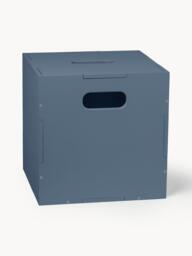
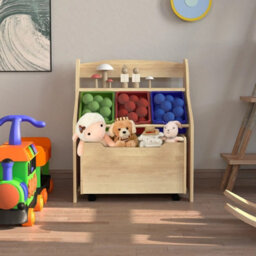
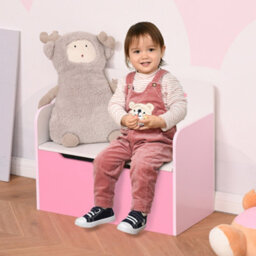
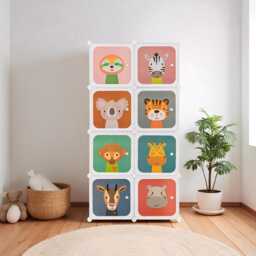
There are many ways to use kids storage units across the home. Some designs suit open access, which encourages children to put items away independently. Others offer hidden compartments for a cleaner look in shared areas. Toy storage works well in playrooms where quick access matters most. Meanwhile, storage boxes are ideal for grouping smaller items and keeping clutter to a minumum. Many homes benefit from mixing different styles to suit changing needs.
The benefits go beyond tidiness. Firstly, organised spaces reduce stress for both children and adults. Secondly, accessible layouts support independence and responsibility from a young age. In addition, these solutions often adapt as children grow, making them a flexible choice. Many options are easy to maintain, which suits busy households. They also offer a cost-effective way to refresh a room without major changes.
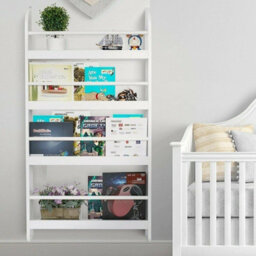
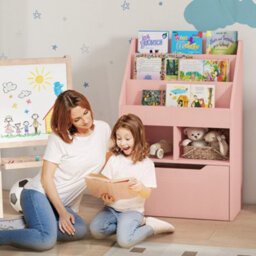
Styling children’s storage can be both fun and practical. For example, pairing it with toy boxes creates a dedicated play area. Adding shelving units nearby helps display favourite books or decorations. In bedrooms, combining storage with children’s wardrobes keeps clothing and toys organised together. Meanwhile, placing bookcases within reach encourages reading habits. Thoughtful placement ensures the room feels open while still offering plenty of organisation.
The best option depends on how the space is used and the child’s age. For younger children, easy access is key so they can tidy independently. Older children may need more structured storage for school items and hobbies. It helps to combine open and closed designs for flexibility. Choosing adaptable solutions ensures the storage grows with changing needs, making it a practical long-term choice.
In small spaces, low-profile and stackable designs work especially well. They help maximise floor space while keeping items accessible. Narrow units can fit into unused corners, while wider options suit shared rooms. It is important to leave enough room for movement and play. Choosing shapes that align with the room layout helps maintain a balanced and uncluttered feel throughout the space.
Toy storage often comes in a range of durable materials suited to daily use. Wooden options offer a sturdy and long lasting solution for heavier items. Durable plastic designs are lightweight and easy to clean, making them ideal for busy homes. Fabric storage provides a softer finish, which works well for younger children. Choosing the right material depends on how the storage will be used and the level of wear expected over time.
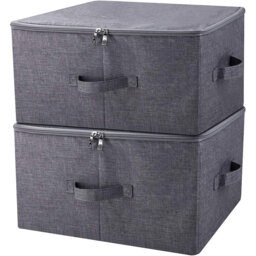
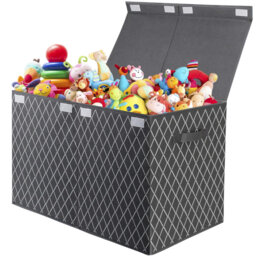
Storage boxes are highly versatile and can handle a wide range of items. They work well for grouping similar toys together, which makes tidying faster and easier. Clear or labelled options can help children identify contents quickly. They also fit neatly into larger units or shelves for a cohesive look. This flexibility makes them a popular choice for keeping play areas organised without much effort.
uFurnish.com makes it simple to explore children’s storage from a wide range of trusted UK retailers. The platform allows users to search and compare styles, prices, and features in one place. Leading brands available on uFurnish.com offer plenty of choice for different needs and budgets. This approach saves time and helps shoppers find suitable options without browsing multiple websites separately.
There are many ways to use kids storage units across the home. Some designs suit open access, which encourages children to put items away independently. Others offer hidden compartments for a cleaner look in shared areas. Toy storage works well in playrooms where quick access matters most. Meanwhile, storage boxes are ideal for grouping smaller items and keeping clutter to a minumum. Many homes benefit from mixing different styles to suit changing needs.
The benefits go beyond tidiness. Firstly, organised spaces reduce stress for both children and adults. Secondly, accessible layouts support independence and responsibility from a young age. In addition, these solutions often adapt as children grow, making them a flexible choice. Many options are easy to maintain, which suits busy households. They also offer a cost-effective way to refresh a room without major changes.
Styling children’s storage can be both fun and practical. For example, pairing it with toy boxes creates a dedicated play area. Adding shelving units nearby helps display favourite books or decorations. In bedrooms, combining storage with children’s wardrobes keeps clothing and toys organised together. Meanwhile, placing bookcases within reach encourages reading habits. Thoughtful placement ensures the room feels open while still offering plenty of organisation.
How should you choose the best children’s storage for everyday use?
The best option depends on how the space is used and the child’s age. For younger children, easy access is key so they can tidy independently. Older children may need more structured storage for school items and hobbies. It helps to combine open and closed designs for flexibility. Choosing adaptable solutions ensures the storage grows with changing needs, making it a practical long-term choice.
What size or shape works best for kids storage units in smaller rooms?
In small spaces, low-profile and stackable designs work especially well. They help maximise floor space while keeping items accessible. Narrow units can fit into unused corners, while wider options suit shared rooms. It is important to leave enough room for movement and play. Choosing shapes that align with the room layout helps maintain a balanced and uncluttered feel throughout the space.
Which materials are commonly used for toy storage and are they durable?
Toy storage often comes in a range of durable materials suited to daily use. Wooden options offer a sturdy and long lasting solution for heavier items. Durable plastic designs are lightweight and easy to clean, making them ideal for busy homes. Fabric storage provides a softer finish, which works well for younger children. Choosing the right material depends on how the storage will be used and the level of wear expected over time.
Are storage boxes suitable for organising different types of toys?
Storage boxes are highly versatile and can handle a wide range of items. They work well for grouping similar toys together, which makes tidying faster and easier. Clear or labelled options can help children identify contents quickly. They also fit neatly into larger units or shelves for a cohesive look. This flexibility makes them a popular choice for keeping play areas organised without much effort.
Where can you compare children’s storage from trusted UK retailers?
uFurnish.com makes it simple to explore children’s storage from a wide range of trusted UK retailers. The platform allows users to search and compare styles, prices, and features in one place. Leading brands available on uFurnish.com offer plenty of choice for different needs and budgets. This approach saves time and helps shoppers find suitable options without browsing multiple websites separately.
Read More