Energy efficiency has been a hot topic for the last few years (pun intended). With rising energy costs across the UK, homeowners are increasingly looking for practical ways to keep their homes warmer whilst spending less.
The good news is there are several straightforward ways to make a real impact on your home's energy performance.
Whether you're looking to make small improvements or considering larger investments, these six changes will help you create a warmer, more comfortable home whilst reducing your energy consumption.
When prioritising improvements, remember that preventing heat loss should come first, there's no point generating more heat if it's going to escape. Start with draught proofing and insulation, then consider upgrading windows and doors for maximum impact.
1. Seal the Gaps and Draught-Proof
Draught-proofing is a simple, low-cost fix that can yield big savings. Use draught excluders on doors, sealant or foam strips around window frames, and brushes or letterbox covers to plug any gaps. It's especially effective in older homes where wear and tear over time may have caused small cracks to appear.
Even with good windows and doors, small gaps can let in surprising amounts of cold air. Simple draught excluders, self-adhesive strips, and foam fillers can seal these gaps:
Key Areas to Address:
• Window and door frames
• Letterboxes and cat flaps
• Keyholes
• Gaps around pipes and cables
• Floorboard gaps
• Loft hatches
2. Upgrade Your Insulation
Think of your home like a thermos flask, without proper insulation, heat will escape regardless of how much energy you use to generate it.
Heat rises, and around 25% of heat loss occurs through the roof. Therefore, loft insulation is an important improvement to put in place.
Aside from the loft, consider insulating the walls, flooring and doors. Even windows can benefit from insulation.
3. Insulate Your Doors
Your front and back doors can be a major source of draughts, especially if they’re old, poorly fitted, or made of materials that don’t insulate well.
The best energy-efficient doors feature:
• Insulated door slabs that minimise heat transfer
• Integrated draught-proof frames that create an airtight seal
• Quality weather stripping around all edges
• Insulated letterboxes to prevent draughts
• Double or triple-glazed glass panels where applicable
A properly fitted, energy-efficient door eliminates cold draughts and helps maintain consistent indoor temperatures, reducing the workload on your heating system.
4. Upgrade to Energy-Efficient Windows
If your windows are more than 15 years old, there’s a good chance they’re not as energy efficient as they could be.
Modern double and triple-glazed windows use advanced glazing technology, thermal breaks, and argon gas between the panes to drastically reduce heat loss.
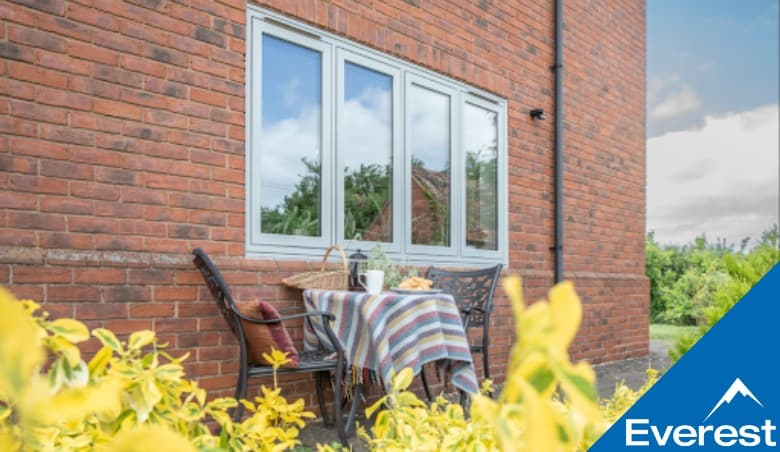
Plus, new windows can also help reduce outside noise, improve security, and boost the overall appearance of your home.
It's not just about the glass, the frame also plays a crucial role in energy efficiency. Modern UPVC windows can help prevent heat transfer and reduce condensation. Quality frames also ensure a better seal, preventing draughts around the window edges.
Look for windows with a U-value of 1.4 or less, this measures how much heat is transferred through the window, with lower numbers indicating better insulation. Everest Double Glazing achieves a U-value of 1.3, whilst triple glazing offers even better performance at 1.0.
5. Use Curtains and Blinds Effectively
Not every energy-saving measure needs to be a major project. The way you dress your windows can have a surprisingly positive impact too.
Heavy, lined curtains or thermal blinds act as an extra layer of insulation, especially during the colder months. They help trap heat indoors after dark and reduce the chill from draughty windows.
Old fashioned shutters are even better, especially if they are layered with heavy drape curtains.
In the summer, light-coloured blinds can help reflect sunlight and keep your rooms cooler, cutting down the need for electric fans or air conditioning.
6. Hot Water System Improvements
Insulating your hot water cylinder and pipes is a simple DIY job that delivers immediate results. Fit a cylinder jacket with at least 80mm of insulation for substantial energy savings on an uninsulated tank. Lagging pipes also prevent frozen pipes in winter.
Every Home Can Be More Efficient
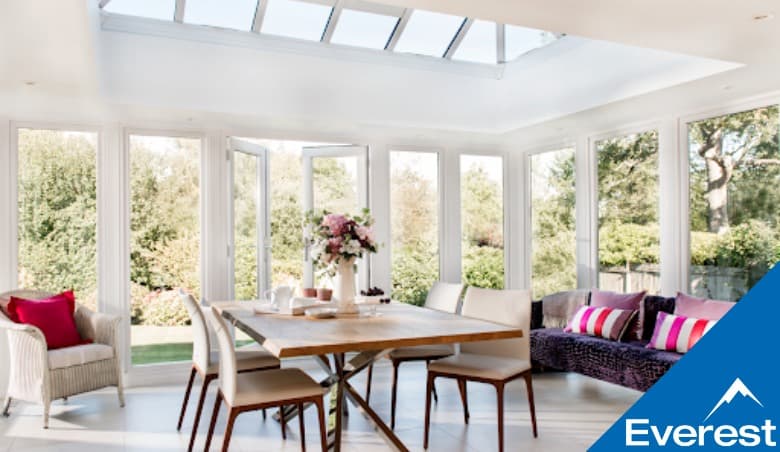
Improving your home's energy efficiency doesn’t have to mean turning your life upside down. From small tweaks like sealing draughts and using thermal curtains, to larger upgrades like replacing windows and doors, every change helps make your home warmer, greener, and more cost-effective.
By implementing these changes, you'll create a warmer, more comfortable home whilst reducing your environmental impact and energy costs.
Read more about how to make your home more energy efficient.
And when you're ready for the bigger steps, Everest is here to help, with expertly designed, energy-saving windows and doors that are built to last.
Interested in making your home more efficient? Get in touch with Everest today to book a free consultation and find out how we can help you reduce your energy bills and boost your home’s performance.