
Weathervanes
Image Search
Sort By
Add keywords
Price
On Sale
Material
Colour
Dimensions
Retailer
Out of stock
All Filters
245 products from 7 retailers
Compare






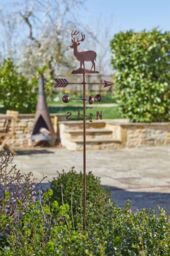
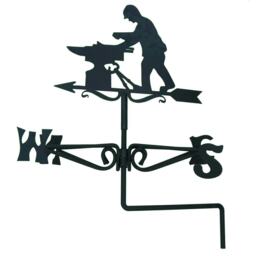
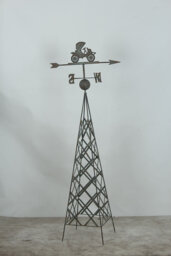

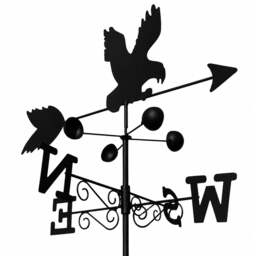
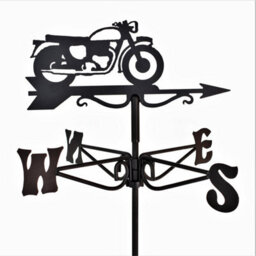
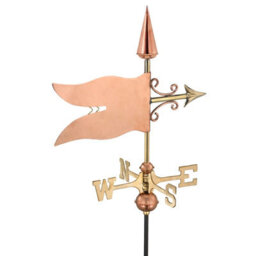

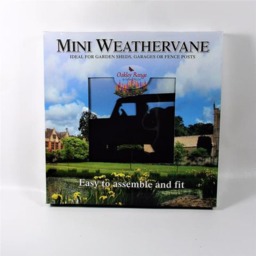
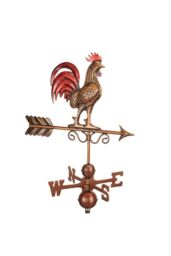
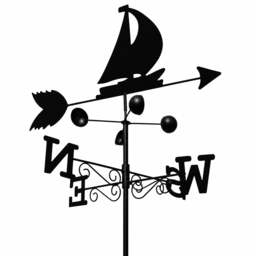
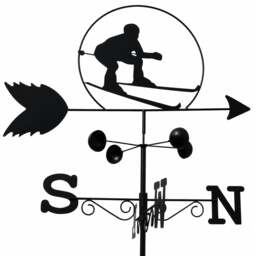

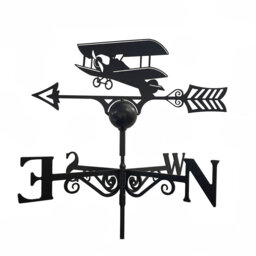


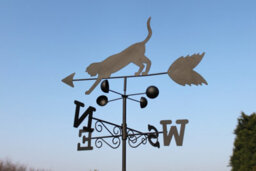



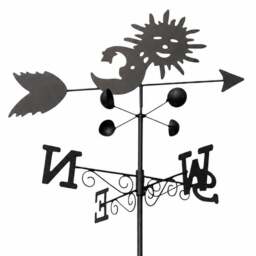
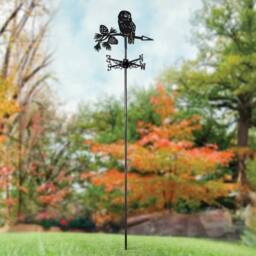
43% Off
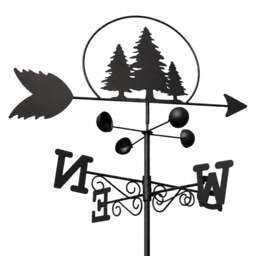


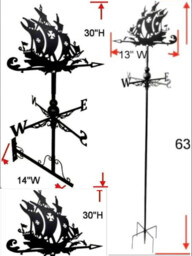

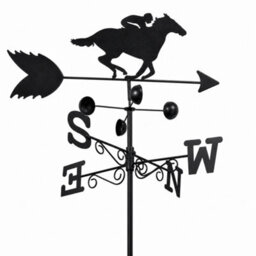
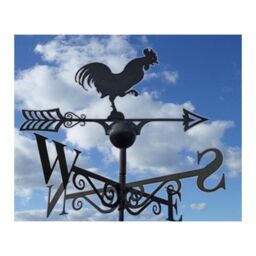
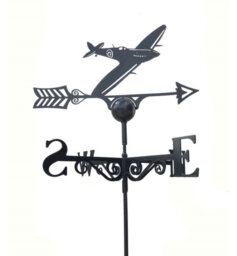
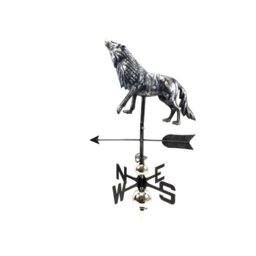


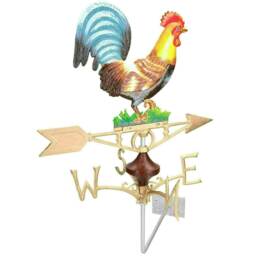
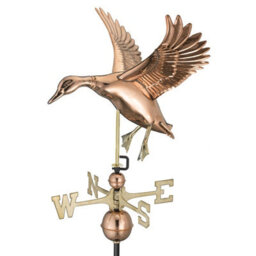




You've seen 48 of 245 Products
Page
of 6
Weathervanes
Weathervanes bring both function and charm to outdoor spaces, offering a traditional way to track wind direction. Commonly placed on rooftops, sheds, or garden structures, they move with the breeze to indicate changing conditions. As a result, they serve as both practical weather tools and eye-catching garden decor. Whether used in rural settings or modern gardens, they add character while supporting everyday awareness of the weather.
Many weather vanes are designed with distinct shapes that enhance their visual appeal. Classic designs are often used on decorative weathervanes, which help make a roof stand out. At the same time, windvanes are valued for their ability to provide quick, visual wind direction without relying on technology.
Functionality remains a key advantage. A well-positioned weathervane responds quickly to shifts in wind, helping users understand local weather patterns. This can support outdoor planning, from gardening tasks to general home maintenance. In addition, roof weathervanes are built to handle changing conditions, offering long-term reliability. Because of this, they are both a practical and durable addition to outdoor spaces.
From a design perspective, weathervanes enhance the overall look of a property. They add height and visual interest, drawing attention to rooftops or garden features. When chosen carefully, they can complement the style of a home without overwhelming it. This balance of function and design makes them a flexible addition to many outdoor settings.
Integrating weathervanes into a wider outdoor scheme creates a unified and well-planned space. For example, placing them alongside outdoor lighting helps highlight their movement after dark. They also work well with wall lights, adding depth to exterior areas. In garden settings, they can sit alongside decorative features or planting schemes, enhancing the overall aesthetic.
Weathervanes work by rotating freely in response to the wind. The design allows the arrow or figure to point in the direction the wind is coming from. This provides a clear visual indicator of changing conditions. Because they rely on natural movement, they do not require power or maintenance. When positioned correctly, they offer a simple and reliable way to monitor wind direction throughout the day.
A weathervane should be installed in a high, open position where wind can reach it easily. Roof weather vanes are commonly placed on rooftops, sheds, or garden buildings for this reason. Avoid areas blocked by trees or walls, as these can affect accuracy. Proper placement ensures the vane moves freely and provides clear readings, making it both functional and visually prominent.
Decorative weathervanes can suit modern homes when chosen carefully. While they are often linked with traditional styles, many designs blend well with contemporary exteriors. Selecting a simple or understated shape helps maintain a clean look. They add interest without overpowering the building’s design. This makes them a flexible option for homeowners who want to combine style with practical outdoor features.
Weathervanes generally require very little maintenance, which adds to their appeal. Most are designed to withstand outdoor conditions, including wind and rain. Occasional checks help ensure they remain securely fixed and move freely. Cleaning may be needed to remove dirt or debris that could affect movement. With basic care, they continue to function effectively while maintaining their appearance over time.
Shoppers can explore a variety of weathervanes through uFurnish.com. The platform brings together options from leading UK retailers, making it easy to compare styles and prices. This helps users find suitable decorative weathervanes for different outdoor spaces. By browsing trusted brands available on uFurnish.com, customers can make informed decisions and discover options that suit both function and design preferences.
Many weather vanes are designed with distinct shapes that enhance their visual appeal. Classic designs are often used on decorative weathervanes, which help make a roof stand out. At the same time, windvanes are valued for their ability to provide quick, visual wind direction without relying on technology.
Functionality remains a key advantage. A well-positioned weathervane responds quickly to shifts in wind, helping users understand local weather patterns. This can support outdoor planning, from gardening tasks to general home maintenance. In addition, roof weathervanes are built to handle changing conditions, offering long-term reliability. Because of this, they are both a practical and durable addition to outdoor spaces.
From a design perspective, weathervanes enhance the overall look of a property. They add height and visual interest, drawing attention to rooftops or garden features. When chosen carefully, they can complement the style of a home without overwhelming it. This balance of function and design makes them a flexible addition to many outdoor settings.
Integrating weathervanes into a wider outdoor scheme creates a unified and well-planned space. For example, placing them alongside outdoor lighting helps highlight their movement after dark. They also work well with wall lights, adding depth to exterior areas. In garden settings, they can sit alongside decorative features or planting schemes, enhancing the overall aesthetic.
How do weather vanes work to show wind direction?
Weathervanes work by rotating freely in response to the wind. The design allows the arrow or figure to point in the direction the wind is coming from. This provides a clear visual indicator of changing conditions. Because they rely on natural movement, they do not require power or maintenance. When positioned correctly, they offer a simple and reliable way to monitor wind direction throughout the day.
Where is the best place to install a weathervane?
A weathervane should be installed in a high, open position where wind can reach it easily. Roof weather vanes are commonly placed on rooftops, sheds, or garden buildings for this reason. Avoid areas blocked by trees or walls, as these can affect accuracy. Proper placement ensures the vane moves freely and provides clear readings, making it both functional and visually prominent.
Are decorative weather vanes suitable for modern homes?
Decorative weathervanes can suit modern homes when chosen carefully. While they are often linked with traditional styles, many designs blend well with contemporary exteriors. Selecting a simple or understated shape helps maintain a clean look. They add interest without overpowering the building’s design. This makes them a flexible option for homeowners who want to combine style with practical outdoor features.
Do weathervanes require maintenance over time?
Weathervanes generally require very little maintenance, which adds to their appeal. Most are designed to withstand outdoor conditions, including wind and rain. Occasional checks help ensure they remain securely fixed and move freely. Cleaning may be needed to remove dirt or debris that could affect movement. With basic care, they continue to function effectively while maintaining their appearance over time.
Where can you compare weathervanes in the UK?
Shoppers can explore a variety of weathervanes through uFurnish.com. The platform brings together options from leading UK retailers, making it easy to compare styles and prices. This helps users find suitable decorative weathervanes for different outdoor spaces. By browsing trusted brands available on uFurnish.com, customers can make informed decisions and discover options that suit both function and design preferences.
Read More