
Ergonomic Chairs
Image Search
Sort By
Add keywords
Price
On Sale
Material
Colour
Dimensions
wilko
Out of stock
All Filters
113 products from 1 retailer
Compare

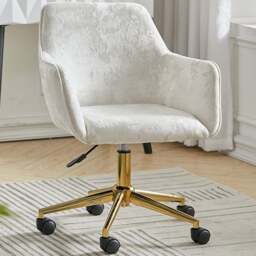
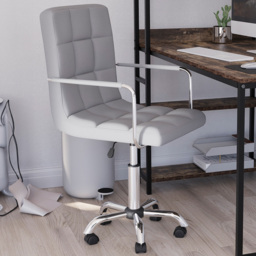
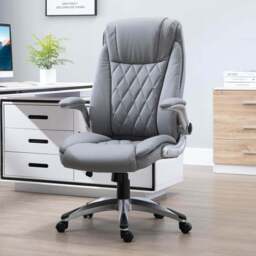
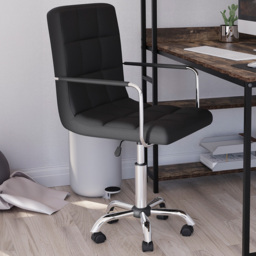
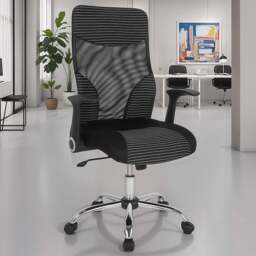
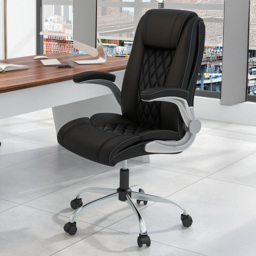
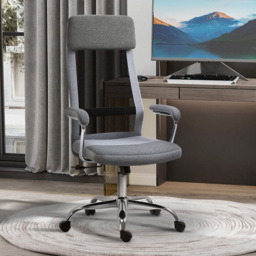
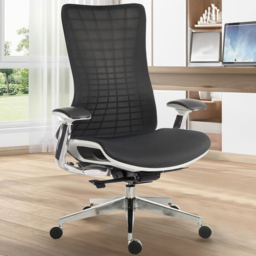
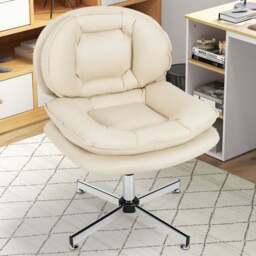
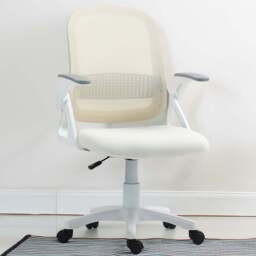
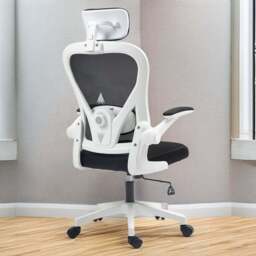
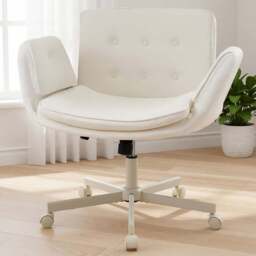
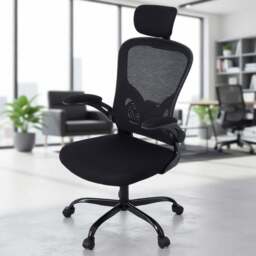
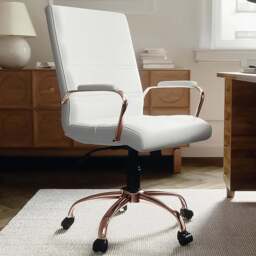
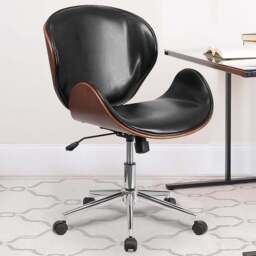
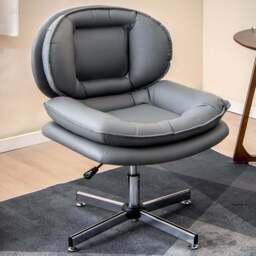
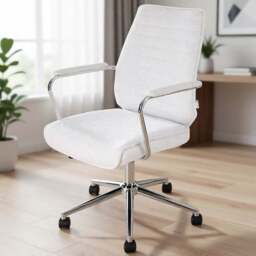
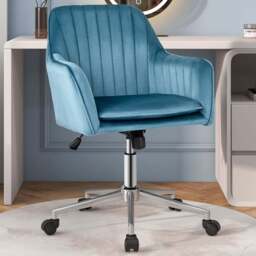
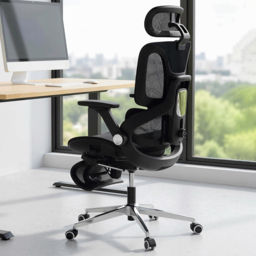
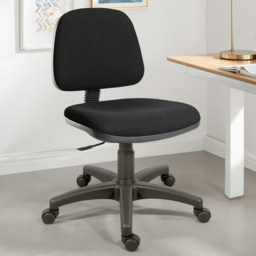
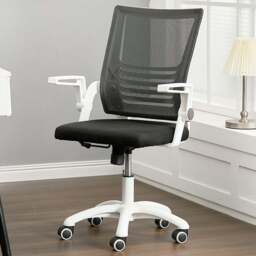
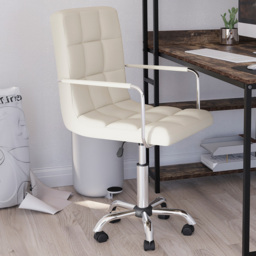
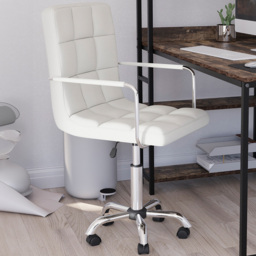
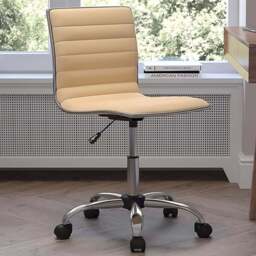
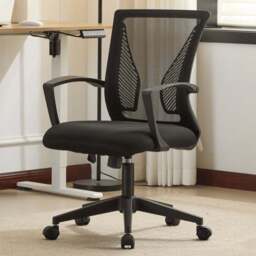
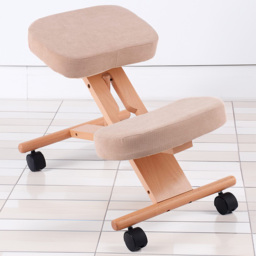
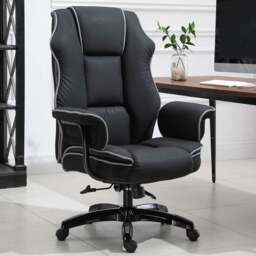
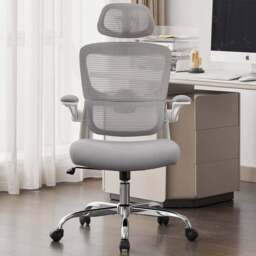
12% Off
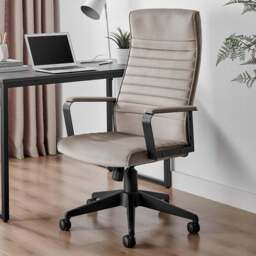
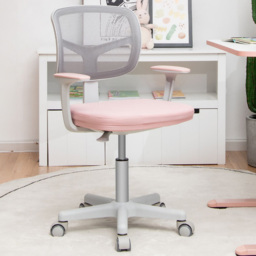
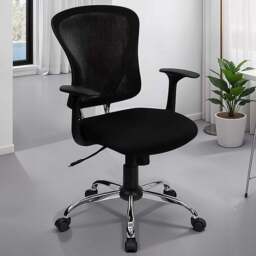
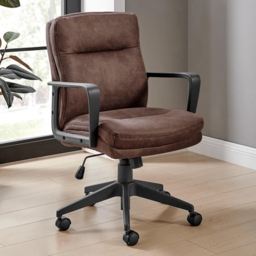
13% Off
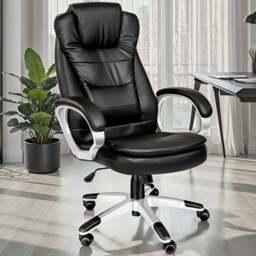
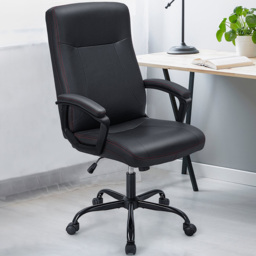
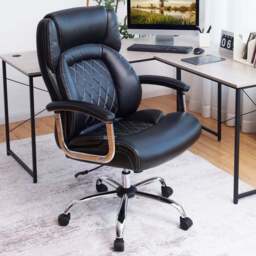
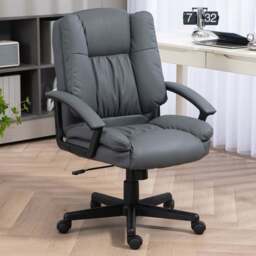
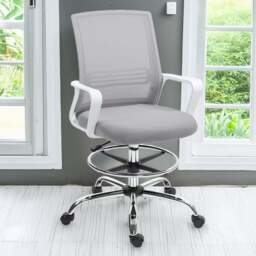
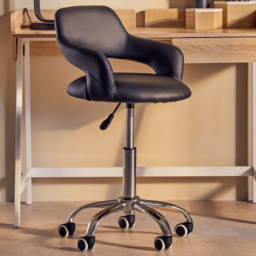
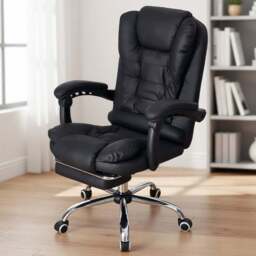
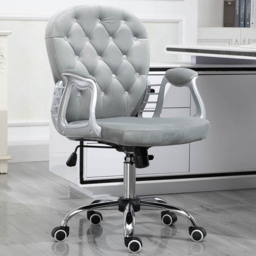
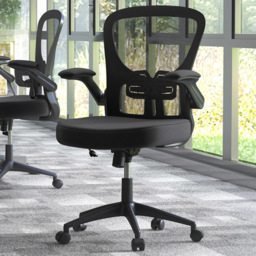
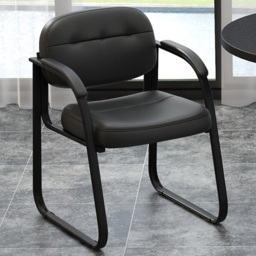
You've seen 48 of 113 Products
Page
of 3
Ergonomic Chairs
Ergonomic chairs are designed to support the body’s natural posture and reduce strain during long working hours. Unlike standard seating, they encourage alignment across the spine, shoulders and hips which helps maintain comfort throughout the day. Many people choose ergonomic chairs because they offer detailed adjustments that adapt to individual working styles. They have become increasingly popular due to the many health benefits from them. On ufurnish.com, you can explore ergonomic chairs in many configurations along with other workspace essentials, including office desks such as computer desks and other office furniture.
Ergonomic chairs vary widely in structure and adjustment range. Some models focus on lumbar support while others extend their features to include headrests, flexible tilt mechanisms and adjustable seat depth. These elements help you fine-tune the chair to your desk height and the way you sit. Due to each person’s posture and routine differing, ergonomic options are designed to respond to various working habits which makes them suitable for home offices and dedicated study areas.
A well-designed ergonomic chair includes multiple adjustment points. Height adjustment supports correct alignment between the shoulders and desk. Lumbar support helps maintain the natural curve of the lower spine. Adjustable armrests reduce tension through the neck and upper back. Seat depth settings help you sit correctly without pressure on the legs. Chairs that include dynamic tilt or synchronised movement help maintain steady posture during longer sessions. These features offer the flexibility that standard desk chairs often lack. We recommend thinking about what features you need first before making your purchase.
We recommend these chairs as they encourage a neutral sitting position which helps reduce fatigue during long working periods. A neutral posture keeps the spine aligned, prevents slouching and limits shoulder tension. As the chair adapts to your body rather than the other way around, you stay more supported throughout your daily tasks. Homes that include a mix of sitting and standing routines may combine ergonomic chairs with office stools which support standing and height adjustable tables.
Gaming chairs and ergonomic options serve different purposes. Gaming chairs often include deep cushioning and bold silhouettes but may focus more on style than technical adjustment. Ergonomic chairs offer targeted support for people who sit for extended periods at a desk. They provide superior lumbar shaping, refined tilt control and better seat customisation. While gaming chairs suit occasional use, ergonomic chairs offer the level of precision needed for daily home office work. People who want healthier posture typically prefer ergonomic models and pair them with structured office chairs and seating for additional options.
The most important adjustments depend on your working habits. Lumbar support should match the natural curve of your lower back to reduce strain. Height adjustment ensures correct alignment with the desk. Tilt control helps you change posture and prevent static sitting. Armrest height and width influence shoulder comfort. Seat depth affects leg circulation and overall posture stability. People who work long hours often prefer models with headrests, while those who alternate tasks may choose chairs similar to flexible executive chairs for added comfort.
Yes, they most certainly work effectively even in smaller rooms because they can replace bulkier office seating while delivering superior support. Slimmer models without headrests suit tighter layouts yet still offer essential adjustments. Some chairs include space-saving frames that slide neatly under desks. When chosen carefully an ergonomic chair enhances small spaces without overwhelming them.
Ergonomic chairs help you maintain healthier posture throughout the day and support more productive working habits. Whether you need advanced adjustments or a simple supportive design you can search and compare ergonomic chairs on ufurnish.com. With many options available you can build a workspace that prioritises comfort, stability and long-term wellbeing.
Ergonomic chairs vary widely in structure and adjustment range. Some models focus on lumbar support while others extend their features to include headrests, flexible tilt mechanisms and adjustable seat depth. These elements help you fine-tune the chair to your desk height and the way you sit. Due to each person’s posture and routine differing, ergonomic options are designed to respond to various working habits which makes them suitable for home offices and dedicated study areas.
What features define a high-quality ergonomic chair?
A well-designed ergonomic chair includes multiple adjustment points. Height adjustment supports correct alignment between the shoulders and desk. Lumbar support helps maintain the natural curve of the lower spine. Adjustable armrests reduce tension through the neck and upper back. Seat depth settings help you sit correctly without pressure on the legs. Chairs that include dynamic tilt or synchronised movement help maintain steady posture during longer sessions. These features offer the flexibility that standard desk chairs often lack. We recommend thinking about what features you need first before making your purchase.
How can an ergonomic chair help improve posture at home?
We recommend these chairs as they encourage a neutral sitting position which helps reduce fatigue during long working periods. A neutral posture keeps the spine aligned, prevents slouching and limits shoulder tension. As the chair adapts to your body rather than the other way around, you stay more supported throughout your daily tasks. Homes that include a mix of sitting and standing routines may combine ergonomic chairs with office stools which support standing and height adjustable tables.
Are ergonomic chairs or gaming chairs better for long working hours?
Gaming chairs and ergonomic options serve different purposes. Gaming chairs often include deep cushioning and bold silhouettes but may focus more on style than technical adjustment. Ergonomic chairs offer targeted support for people who sit for extended periods at a desk. They provide superior lumbar shaping, refined tilt control and better seat customisation. While gaming chairs suit occasional use, ergonomic chairs offer the level of precision needed for daily home office work. People who want healthier posture typically prefer ergonomic models and pair them with structured office chairs and seating for additional options.
Which ergonomic adjustments matter most for comfort?
The most important adjustments depend on your working habits. Lumbar support should match the natural curve of your lower back to reduce strain. Height adjustment ensures correct alignment with the desk. Tilt control helps you change posture and prevent static sitting. Armrest height and width influence shoulder comfort. Seat depth affects leg circulation and overall posture stability. People who work long hours often prefer models with headrests, while those who alternate tasks may choose chairs similar to flexible executive chairs for added comfort.
Do ergonomic chairs work well in compact home offices?
Yes, they most certainly work effectively even in smaller rooms because they can replace bulkier office seating while delivering superior support. Slimmer models without headrests suit tighter layouts yet still offer essential adjustments. Some chairs include space-saving frames that slide neatly under desks. When chosen carefully an ergonomic chair enhances small spaces without overwhelming them.
Ergonomic Chairs on ufurnish.com
Ergonomic chairs help you maintain healthier posture throughout the day and support more productive working habits. Whether you need advanced adjustments or a simple supportive design you can search and compare ergonomic chairs on ufurnish.com. With many options available you can build a workspace that prioritises comfort, stability and long-term wellbeing.
Read More