When you’re undergoing the exciting task of furnishing your home, the blinds may be one of the last things you choose. But they can have a surprisingly big effect on how the space looks and feels. Blinds can soften bright morning light in a bedroom, give street-facing rooms more privacy or add colour to a room that feels a little unfinished. The trick lies in choosing a blind that will work for how you use your space.
In the UK, the window coverings market is largely driven by people replacing and updating their home interior, with redecoration and wider home improvements accounting for an important role in demand [1]. With the recent rise of energy costs, more consumers are investing in products that improve both comfort and thermal performance.
Before you begin comparing individual products, it helps to build your understanding around the different types of blinds, what each does well and how they can work with the furniture or style already in your room.
Types of Window Blinds at a Glance
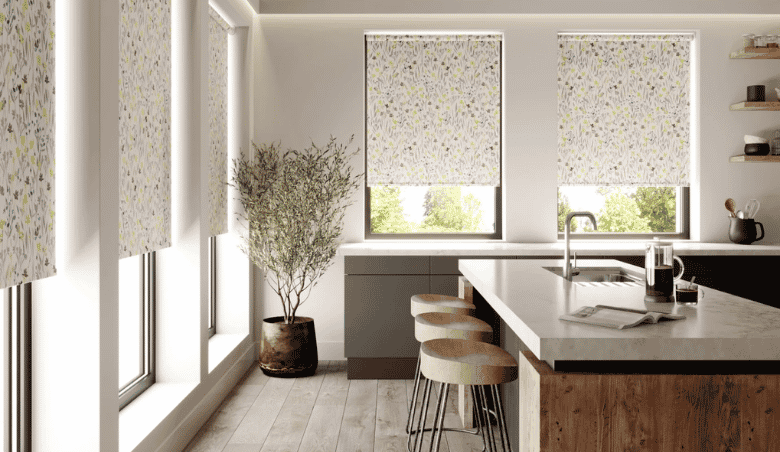
Roller blinds are simple, work in almost any room and are easy to keep neutral or use as a colour accent.
Roman blinds are softer; their fabric folds give more of a visual presence and suit living rooms and bedrooms.
Venetian blinds are adjustable slats for fine control over light and privacy through the day
Vertical blinds are built for wide windows and patio doors which can be drawn fully aside.
Pleated and honeycomb blinds have a neat and understated finish. Honeycomb is an added performance feature to keep warmth in your home.
Perfect Fit Blinds: A frame-fitted system for compatible windows and doors, not a fabric type in itself
1. Roller blinds
If you're looking for something simple that can work in almost any room, roller blinds are a great place to start. A single piece of fabric rolls neatly above the window when opened. There are no large folds or slats; they tend to sit quietly within a room instead of becoming a major feature.
Blackout roller blinds make perfect sense in a bedroom, while a kitchen or bathroom will call for a material that is designed to deal with moisture. Retailers like Swift Direct Blinds offer waterproof roller blinds made from moisture-resistant PVC alongside blackout and standard options.
These blinds are surprisingly easy to work around your existing furniture. Say you already have a colourful sofa or patterned rug; a cream, stone or soft-grey blind can give the window a calm appearance. If the rest of the room is understated, the roller blind can become the place where you introduce a richer colour or print. Picking up one colour already used in a cushion, piece of artwork or smaller accessory is enough to make the room feel connected.
2. Roman Blinds
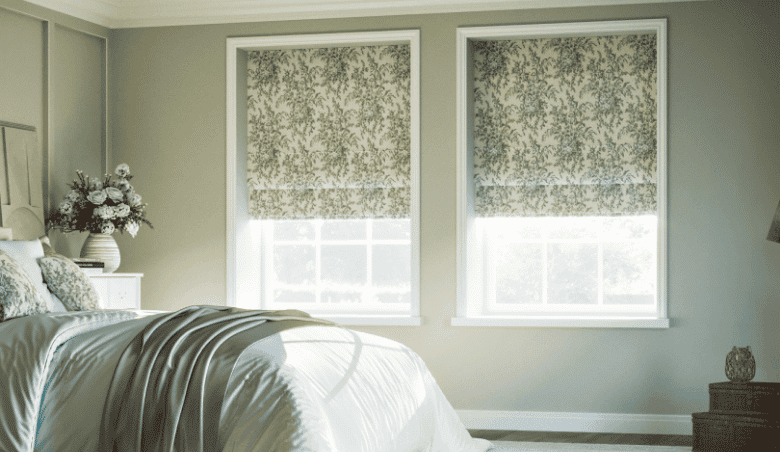
Roman blinds work particularly well if you want your window to feel like part of the room's soft furnishings. Instead of rolling away like roller blinds, the fabric folds as the blind rises. This gives Roman blinds a softer appearance and visual presence than Venetian or roller blinds, making them especially suited to living rooms, bedrooms and dining rooms. Roman blinds are less about hiding your window and more about making it feel like a part of the overall furnishing scheme.
Imagine a living room with a cream sofa, an oak coffee table and small touches of green in the cushions. A Roman blind containing a similar green can bring those pieces together without everything looking deliberately matched. The blind’s texture can also have the same effect. If your furniture is fairly simple, a strong print at the window can add a touch of personality to your interior. In a bedroom, you can also look for a blackout lining if you want greater light control.
3. Venetian Blinds
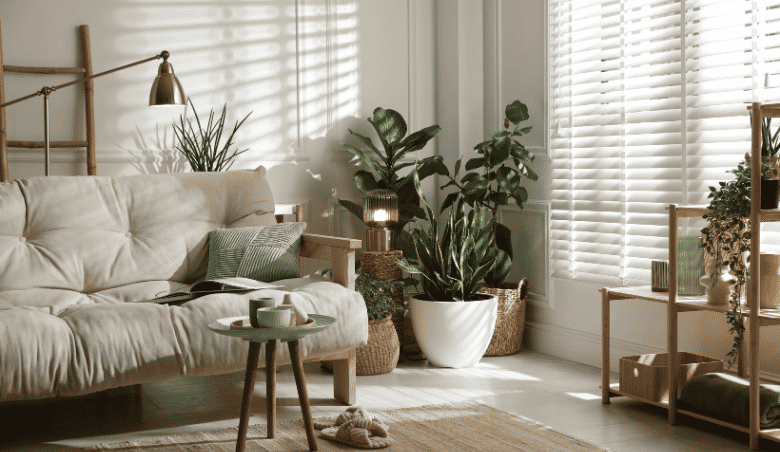
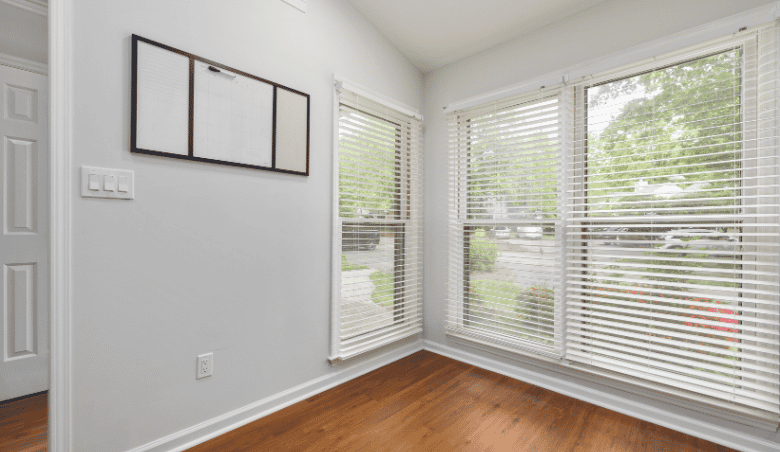
One of the biggest advantages of Venetian blinds is how easy they are to control. They are horizontal blinds that are made from adjustable slats that many people immediately picture when they think of blinds. You can tilt the slats to your liking or as daylight changes throughout the day, allowing light throughout the day without ever opening them. For a street-facing living room or home office, Venetian blinds can offer both light and privacy at the same time.
They're available in a variety of materials, such as wood, oak and aluminium. Wood and wood-effect slats can bring warmth alongside cream upholstery, timber furniture and natural rugs. White or pale-grey finishes can feel cleaner and more understated, while aluminium blinds can suit a more contemporary room. You shouldn’t try to make every timber finish match. If you already have wooden floors, shelving and an oak dining table, adding an identical wood finish on your window can make the room feel overly coordinated.
If you are thinking about installing Venetian blinds in your kitchen or bathroom, we recommend focusing on materials designed for high-moisture areas instead of choosing a natural timber finish for the appearance.
4. Vertical Blinds
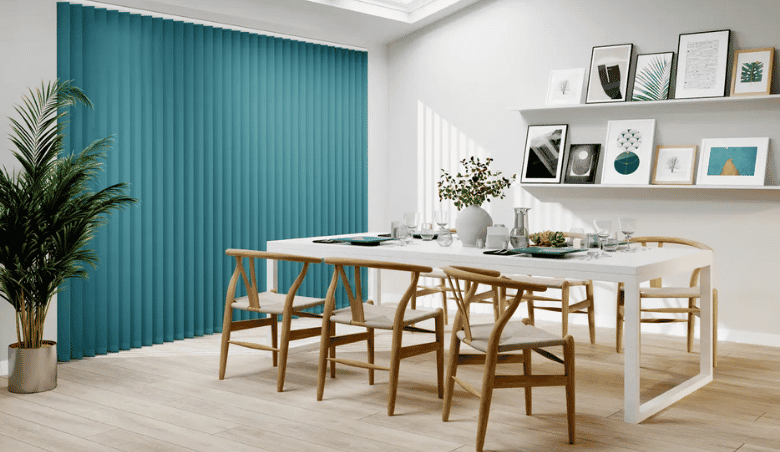
Vertical blinds are particularly well suited to wide windows and patio doors. Long individual slats hang from a track. You can turn them to adjust the amount of light entering the room, or you can draw them aside when you want the window or doorway completely open. Vertical blinds are usually found in offices, but they do not have to make your room feel like one. Softer fabrics and warm neutral finishes can blend into the wall and allow your sofa, dining table or view outside to do most of the talking (particularly if you’ve spent all summer working hard on your garden!).
These blinds can work exceptionally well with garden-facing windows. Your window glazing already has a visual impact, so your blind doesn't need to become another statement. If you are thinking of adding colour, try repeating the shade in one or two smaller details around the room.
5. Pleated & Honeycomb Blinds
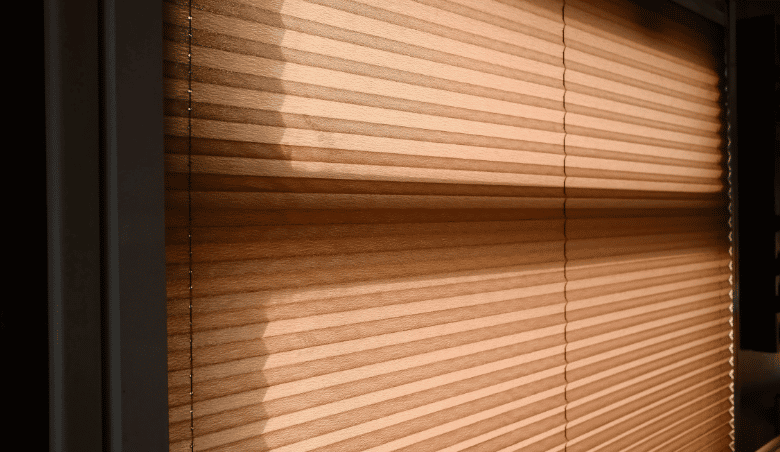
Pleated blinds are great if you would like something neat and relatively understated at the window. Their regular folds create a clean finish that works naturally with simple and contemporary furniture. Honeycomb or cellular blinds use a similar design. Their material creates pockets of air within the blind. Honeycomb blinds have a construction that helps with thermal performance in homes. They're also known to keep homes cooler during hot summer months, like we had this year.
Independent testing carried out by the University of Salford's Energy House Labs for the British Blind and Shutter Association found that the specific framed honeycomb blackout system tested reduced heat loss through a modern double-glazed window by up to 32% [2]. These results do not imply that every honeycomb blind will deliver the same result. The product, window and quality of the fit all matter. With the summer months having ended and the cold, wintery months due to arrive, cellular blinds are worth exploring if warmth is a top priority for your home.
6. Perfect Fit Blinds
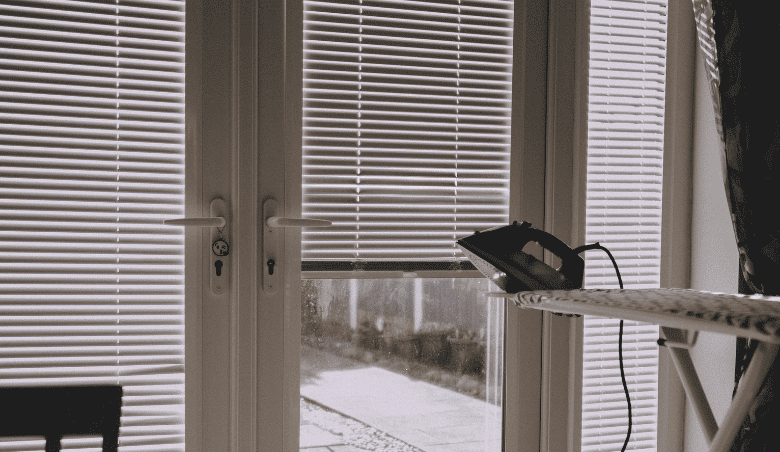
Perfect-fit blinds are slightly different from the other options. They describe how the blind attaches to the window instead of one particular style. The blind sits within a frame that clips onto compatible windows and doors. You can then incorporate different blind styles into the system when placing your order. Swift Direct Blinds, among other retailers, offers perfect-fit roller, Venetian, pleated and wooden blinds. Its system is designed for compatible windows and doors with suitable rubber beading, including many uPVC frames.
This type of fitting is useful on French doors and tilt-and-turn windows because the blind will move as you open or close, instead of hanging separately in front of it. There are also some design benefits. Imagine a kitchen with glazed doors that lead onto the garden. You may already have kitchen units, dining chairs, a table and pendant lights that may be competing for attention. A blind fitted closely to the glazing keeps the window treatment much cleaner and less intrusive.
Perfect Fit can also work well on smaller windows where you may not want the blind spreading further beyond the frame.
Are blackout, wooden and day and night blinds different types?
Just like curtains, the terminology for blinds can make the choice sound more complicated than it really is. There are various styles and performance features that blinds have. For example, 'blackout' normally describes a performance feature rather than how the blind is constructed. You can find blackout versions of several blind styles.
Wooden blinds are generally a type of Venetian blind that use horizontal slats made from real or faux wood. Day and night blinds use sheer and opaque sections to give you greater flexibility over light and privacy. By the time you have narrowed your search to individual products, you will have ruled out options that were never right for your room.
Ready to compare blinds?
After the hard task of narrowing down your choice to one or two blind types, the next step is comparing the details that matter to you such as the materials, colours, measurements, price and retailer. If you’re ordering made-to-measure blinds online, samples can be useful in helping you make your final decision. They let you see the colour and material next to your walls, furniture and flooring.
You've chosen your blind type. What comes next?
Once you know which type of blind suits your room, you've completed the first part of your buying journey. The next step is deciding where to shop and which individual product offers the right combination of material, colour, price and service for you.
Our guide to the biggest curtain & blind retailers in the UK can help you compare retailers and understand the different options available across the market. Or, if you're ready to start looking at products, explore blinds on uFurnish.com to compare blinds from 100+ retailers in one place.