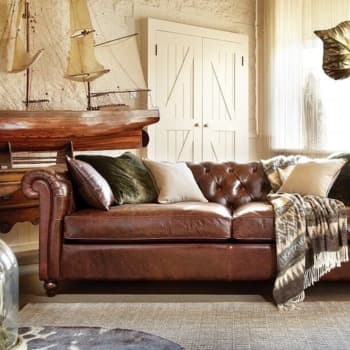
Choosing the right sofa colour and fabric depends on how you use your living room. If you have children, pets or a busy household, you may need upholstery that is durable and easy to clean. Alternatively, colour and appearance may be the main priorities. The right combination should complement the room while also standing up to everyday use.
UK shoppers now have more sofa colours, fabrics and styles to compare than ever before. According to Statista, the UK seats and sofas market generated more than £3 billion during 2025 (1). DFS also reported that the wider UK upholstered furniture market was worth around £3 billion in 2024, based on GlobalData research (2). In addition, living room furniture remained the UK’s largest furniture segment by value during 2025 (3). Retailers such as B&Q, Furniture Village, John Lewis, Dunelm and Argos offer sofas in a wide range of colours and fabrics, making it easier to compare options for different homes and budgets.
From grey sofas that work with changing colour schemes to velvet sofas that add texture, each option offers different benefits. By considering the size of your room, the available light and your existing furniture, you can find a sofa that suits your home for years to come.
Which Sofa Colour Is Right for Your Home?
1. Why Choose a Grey Sofa?
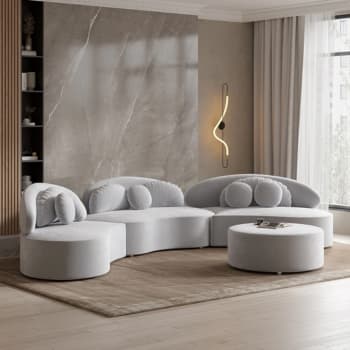
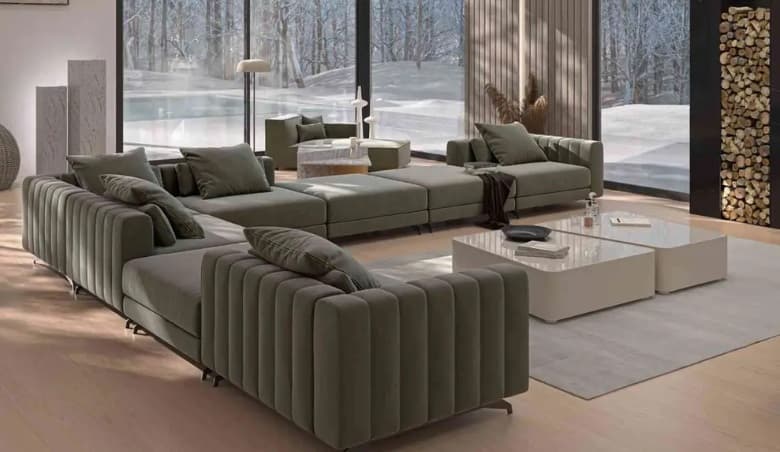
A grey sofa works well across modern, traditional and minimalist interiors. Light grey shades can make a smaller living room feel brighter, while charcoal tones add depth. Grey also provides a neutral base that can adapt as the room changes. Cushions, rugs and wall colours can be updated without replacing the sofa.
This makes grey a useful choice for households that like to refresh their interiors over time. The upholstery will also affect the overall look. Grey fabric sofas often feel softer and more relaxed, while grey leather has a cleaner finish. Both work well with wood furniture, black metal and brass details.
2. Is a Beige or Neutral Sofa Right for You?
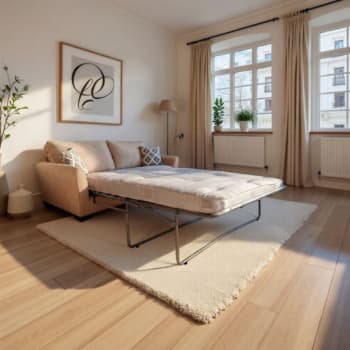
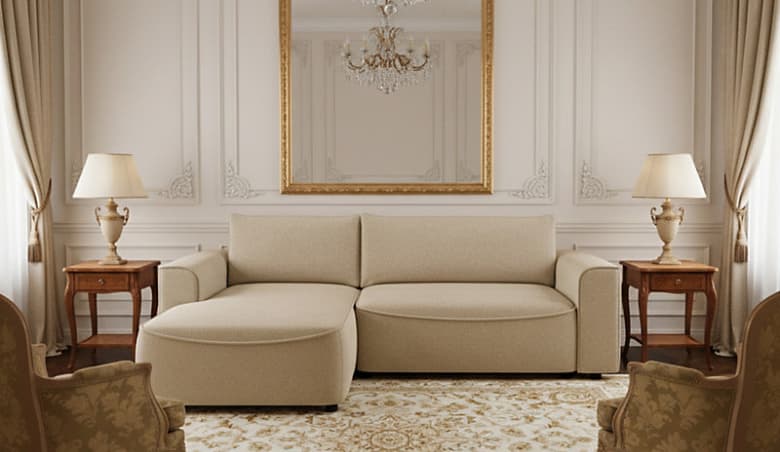
A beige sofa may suit your home if you want to add warmth without making the sofa the main focus. Shades such as oatmeal, sand and taupe work well in Scandinavian, contemporary and modern country interiors. A neutral sofa also makes it easier to introduce stronger colours through accessories. Shoppers can add blue cushions, green throws or patterned rugs while keeping the sofa as a consistent base.
However, lighter upholstery usually needs more care than darker colours. Removable covers, stain-resistant treatments and durable fabric blends may therefore be worth considering in busy homes. A cream sofa can make the room feel even brighter, although it may require more regular cleaning. Texture can also stop a neutral sofa from looking flat. Bouclé, velvet and beige linen sofas add interest while keeping the overall colour scheme calm.
3. When Does a Blue Sofa Work Best?
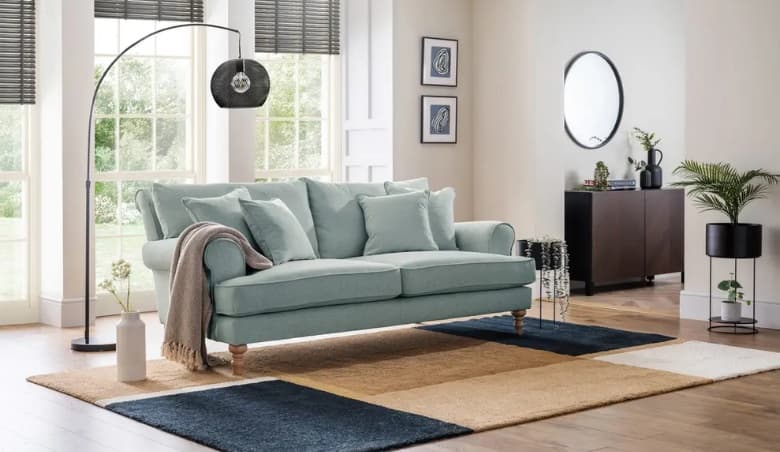
A blue sofa is worth considering if you want to introduce more colour without choosing an overly bright shade. Navy adds depth, while pale and dusty blues create a softer look. Darker blue sofas work well with cream walls, walnut furniture and brass lighting. Meanwhile, lighter shades suit coastal-inspired interiors and rooms that need a brighter feel.
The material can change how the colour appears. A blue fabric sofa often feels relaxed, while a blue velvet sofa has more texture and reflects light differently throughout the day. Room lighting should also guide your final decision. Navy may feel heavy in a small north-facing room, whereas a lighter blue can help the space feel more open. Therefore, buyers should view fabric samples in both natural and artificial light before making a choice.
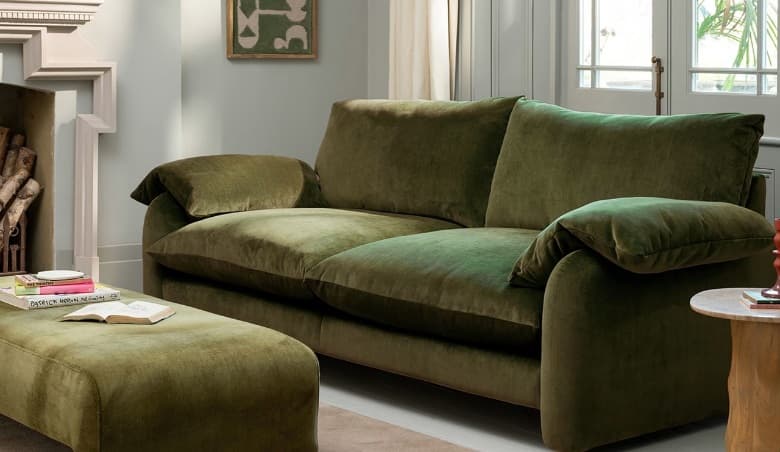
4. How Can You Style a Green Sofa?
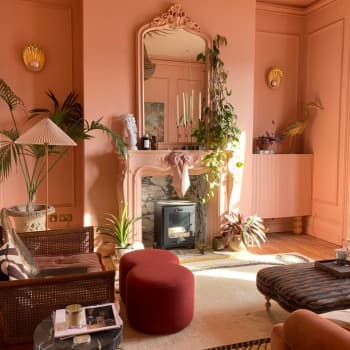
A green sofa works best when it connects with the wider colour scheme of the room. Sage and olive tones create a softer look, while forest and emerald green add more depth. Green upholstery pairs well with timber furniture, warm neutrals and indoor plants. It can also complement period features such as wooden flooring, fireplaces and wall mouldings.
As with blue, the shade should suit the available light. Soft sage can help brighten a compact room, while darker green upholstery often works better in a well-lit space. A green velvet sofa creates a richer finish, whereas linen or woven fabric feels more relaxed. According to Statista, UK consumers continued to spend heavily on living room furniture and home décor categories in 2025 (3).
Which Sofa Fabric Should You Choose?
Is Velvet a Good Sofa Fabric for Everyday Use?
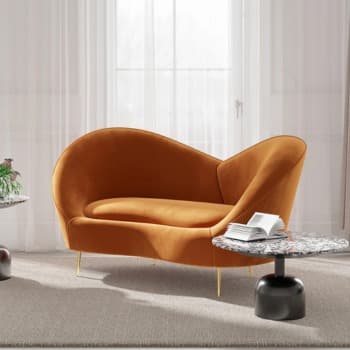
A velvet sofa can work well for everyday use when the fabric is designed for upholstery. Modern velvet is often more durable than older versions and may also be easier to maintain. Velvet suits period homes, darker colour schemes and rooms that need more texture. It can also add interest to a simple contemporary interior.
However, care requirements vary between products. Some velvet upholstery can be vacuumed and spot cleaned, while other fabrics may need specialist care. If you have pets, consider whether claws and loose hair could make maintenance more difficult. Colour changes the overall effect too. Blue and green velvet sofas create a stronger focal point, while beige or grey velvet offers a quieter way to introduce the fabric.
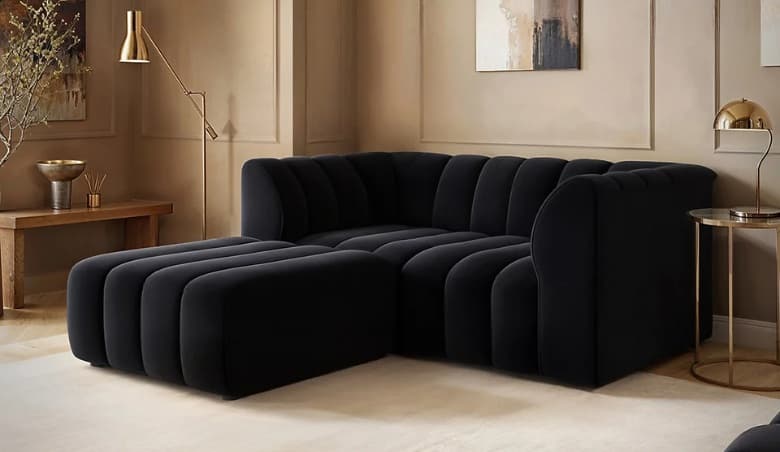
Is Linen Suitable for Everyday Use?
A linen sofa can suit everyday use when the upholstery is durable enough for the household. Linen is breathable and has a relaxed appearance, although it naturally creases more than many other fabrics. It works well in contemporary homes, open-plan living spaces and Scandinavian-inspired interiors. Neutral linen upholstery can also soften rooms with wooden floors, exposed brick or darker furniture.
Pure linen may be less suited to heavy daily use. As a result, many sofas use linen blended with cotton or synthetic fibres to improve durability and help the fabric retain its shape. Buyers should therefore check the fabric composition rather than judging the material by appearance alone. Stain protection may also be useful if you have children, pets or frequent visitors. Removable cushion covers can make regular cleaning easier.
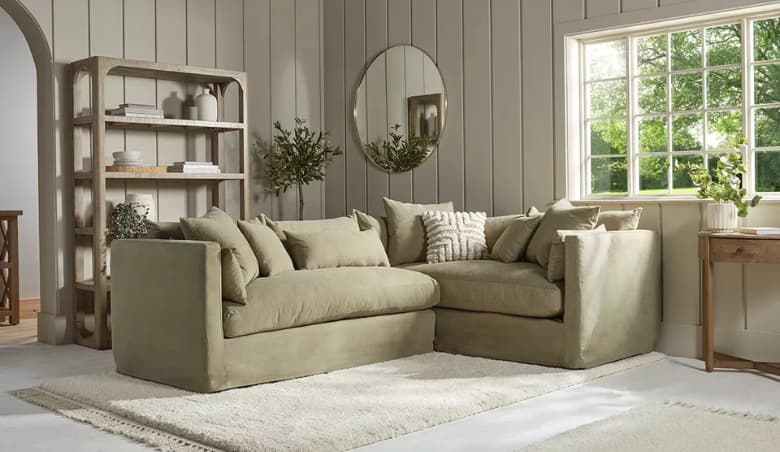
Why Choose a Fabric Sofa?
A fabric sofa may suit you if you want soft, textured upholstery without the finish of velvet. Its raised surface feels comfortable and can help disguise small signs of wear. Fabric is often used on family sofas and corner designs because it offers a balance between comfort, durability and price. Shoppers can also find it across both traditional and contemporary styles.
However, quality varies. Lower-grade fabric may flatten over time, especially on frequently used seats and armrests. Buyers should compare the fabric weight, fibre composition and care guidance to understand how well it may last. The cushion filling also matters. Even a durable fabric will not perform well if the cushions quickly lose their shape, so the upholstery and construction should be considered together.
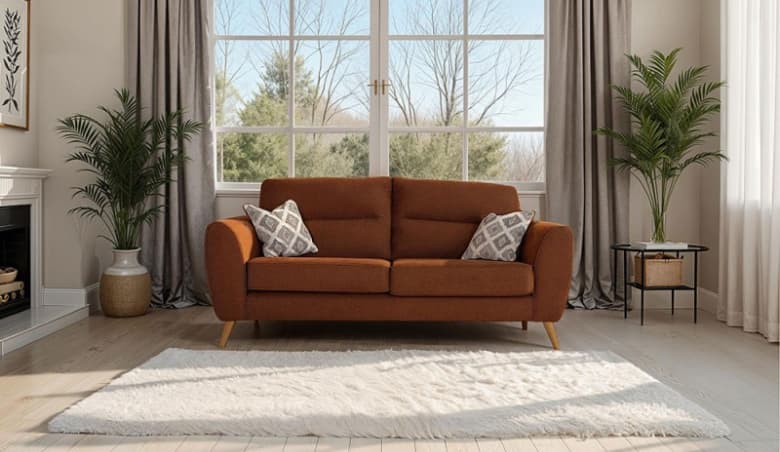
Is Leather a Good Choice for a Busy Home?
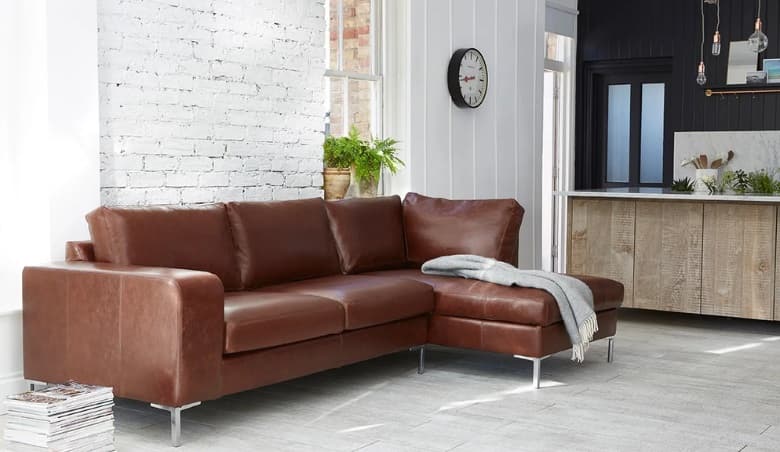
A leather sofa can suit a busy home because spills are often easier to wipe away than they are on woven fabric. Good-quality leather can also last for many years and develop a natural patina over time. Leather works in both classic and contemporary interiors. Black and dark brown sofas create a more traditional look, while tan, cream and grey leather can feel lighter.
A brown leather sofa works well with timber furniture and warm neutral walls. By contrast, a black leather sofa creates more contrast and may suit an industrial or minimalist interior. Before choosing, buyers should distinguish between genuine leather, coated leather and synthetic alternatives because each has different care requirements and levels of durability. Genuine leather should also be kept away from strong sunlight and direct heat, which can dry the material over time.
Choosing Your Sofa Colour and Fabric
There is no single sofa colour or fabric that suits every home. Grey is easy to restyle; beige adds warmth, and blue or green can bring more colour into the room. Velvet adds texture; linen feels lighter, fabric offers softness and leather is often easier to clean.
Your final decision should reflect the room’s size, natural light and existing furniture, as well as how the sofa will be used each day. Comparing colour and material combinations before buying can help you find an option that suits your home and remains comfortable over time.
uFurnish.com brings together sofas from leading UK retailers, making it easier to compare colours, fabrics, styles and prices in one place.
For more style inspiration to create your perfect home, follow us on Instagram and Pinterest, or to search furniture retailers across the entire market, simply click here.