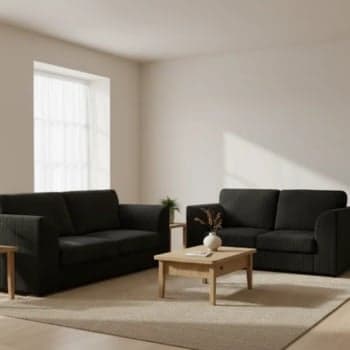
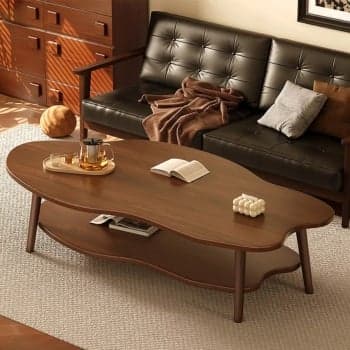
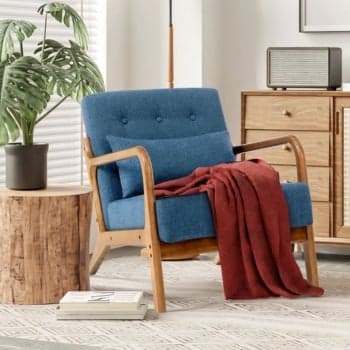
Choosing the right sofa has become increasingly important for UK households. Many living rooms now serve multiple purposes, including relaxing, entertaining, working, and family time. Because of this, buyers often look beyond appearance alone when comparing sofas. Comfort, flexibility, size, and durability all influence the decision.
The UK upholstery market remains a major part of the furniture industry. According to Statista, the UK furniture market generated more than £16 billion in revenue during 2025, with living room furniture representing one of the largest segments (1). GlobalData also reported that upholstered furniture continues to perform strongly despite wider retail pressures, with major retailers such as DFS and Sofology maintaining significant market share across the category (2). Meanwhile, Office for National Statistics housing data shows that smaller household sizes and compact urban homes continue shaping furniture buying habits across the UK (3).
As consumer needs evolve, retailers including DFS, John Lewis, IKEA, Furniture Village, and Next now offer a wider variety of sofa styles than ever before. Understanding the most popular sofa types can help buyers compare options more confidently and choose furniture that genuinely suits their home and lifestyle.
1. Corner Sofas
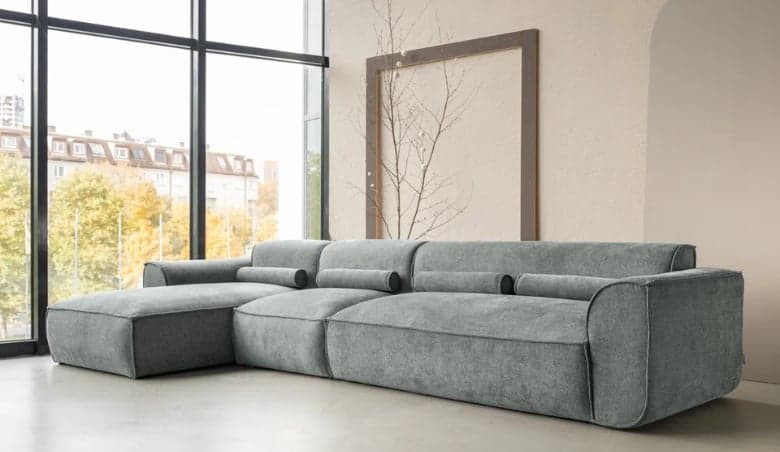
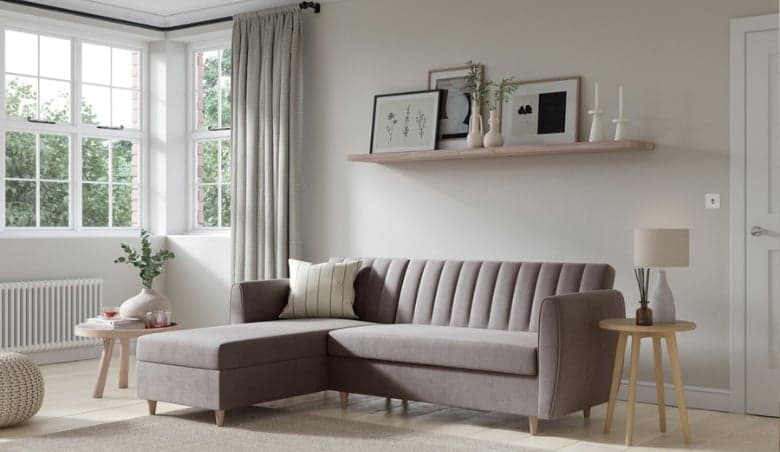
Corner sofas remain one of the most popular sofa styles in the UK. These sofas feature an L-shaped design that maximises seating while using room corners efficiently. They work particularly well in open-plan living spaces and family homes. Many UK homeowners choose corner sofas because they create a more sociable layout. Unlike separate armchairs or smaller sofas, corner seating encourages conversation and relaxed group seating. Larger households often prefer them for film nights, entertaining guests, or everyday family use.
Modern corner sofas come in several formats, including compact chaise-end designs and fully modular layouts. Retailers such as DFS and ScS now offer customisable configurations that allow buyers to adapt the shape to different room layouts. These sofas suit buyers who want generous seating without filling a room with multiple furniture pieces. However, careful measuring remains essential before purchasing because larger corner sofas can dominate smaller living rooms.
2. Chesterfield Sofas
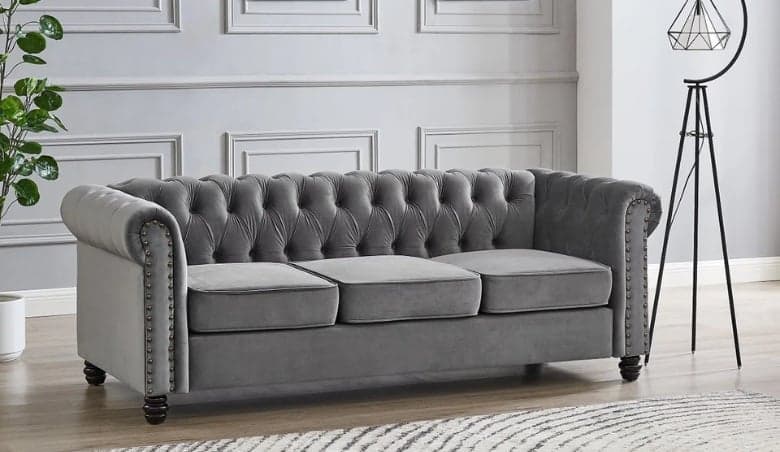
Chesterfield sofas continue holding a strong place within British interior design. Known for their deep button tufting, rolled arms, and structured appearance, these sofas offer a timeless style that works across both traditional and modern homes. Leather remains the most recognised Chesterfield finish. However, velvet and woven fabric versions have become increasingly popular through retailers like Sofa.com and Barker and Stonehouse. These softer finishes help modernise the classic silhouette.
Many buyers choose Chesterfield sofas because of their durability and long-lasting appeal. High-quality versions often feature hardwood frames and supportive seat cushions designed for years of regular use. According to GlobalData, buyers increasingly favour furniture that balances longevity with visual character. This trend supports continued demand for traditional sofa styles that feel more permanent than short-term trend pieces (2). Although Chesterfield sofas often cost more than simpler designs, many consumers view them as investment furniture due to their enduring appearance.
3. Recliner Sofas
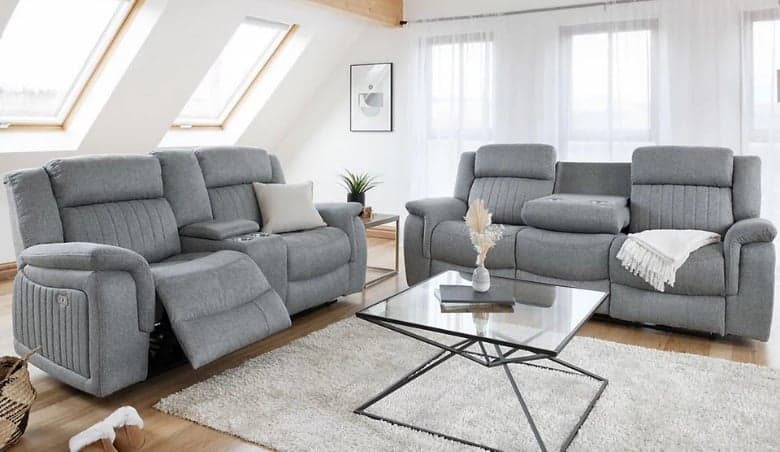
Recliner sofas focus primarily on comfort and ergonomic support. These sofas include adjustable seating positions that allow users to lean backwards and elevate their feet for additional relaxation. Electric recliner sofas have grown significantly in popularity across the UK during recent years. Many newer models now include USB charging points, adjustable headrests, and independent reclining controls. Furniture Village and DFS both expanded their recliner ranges as demand for comfort-focused upholstery increased.
Recliner corner sofas have also become increasingly popular in larger homes because they combine high seating capacity with enhanced comfort. While recliners provide excellent support, buyers should consider room size carefully. Fully reclining seats require additional clearance behind and in front of the sofa. For older adults or buyers with mobility concerns, recliner sofas often provide better physical support than standard seating.
4. Sofa Beds
Sofa beds have become increasingly valuable within UK homes where space is limited. These sofas provide standard seating during the day while converting into sleeping areas when required. Smaller flats, guest rooms, and multifunctional home offices often benefit most from sofa beds. Many buyers use them to accommodate overnight visitors without sacrificing an entire room permanently. Modern sofa beds differ greatly from older pull-out designs. Many now include memory foam mattresses, click-clack systems, or hidden storage compartments. Retailers such as IKEA and John Lewis have helped improve the overall design quality of this category.
Office for National Statistics data shows that one-person households and smaller homes continue increasing across many UK cities. As a result, multifunctional furniture categories have gained stronger consumer interest (3). Buyers should still compare comfort levels carefully because some sofa beds prioritise sleeping support more heavily than everyday seating comfort. Compact sofa beds often work best in occasional-use spaces, while premium models can support regular overnight sleeping more effectively.
5. Modular Sofas
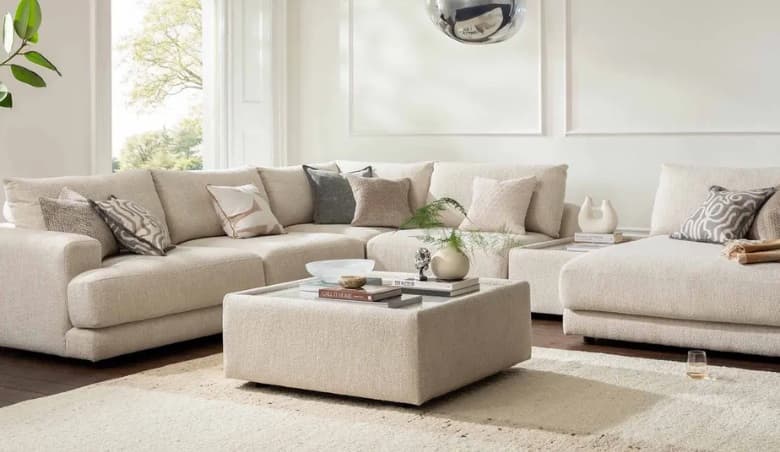
Modular sofas consist of separate sections that can be rearranged into different layouts. This flexibility has made them one of the fastest-growing sofa categories in the UK. Unlike fixed sofa designs, modular seating allows homeowners to expand, reduce, or reconfigure layouts over time. This appeals strongly to renters, growing families, and buyers who move frequently. Retailers including IKEA, Sofology, and DFS now offer extensive modular sofa collections with interchangeable chaise sections, corner units, and ottomans.
According to Statista consumer trend reporting, UK buyers increasingly favour furniture that offers long-term flexibility and practical value (1). Modular sofas support this demand by reducing the need for complete furniture replacement when lifestyles change. Another advantage involves easier delivery and installation. Smaller modular sections often fit through narrow staircases and doorways more easily than oversized fixed sofas.
6. Two-Seater Sofas
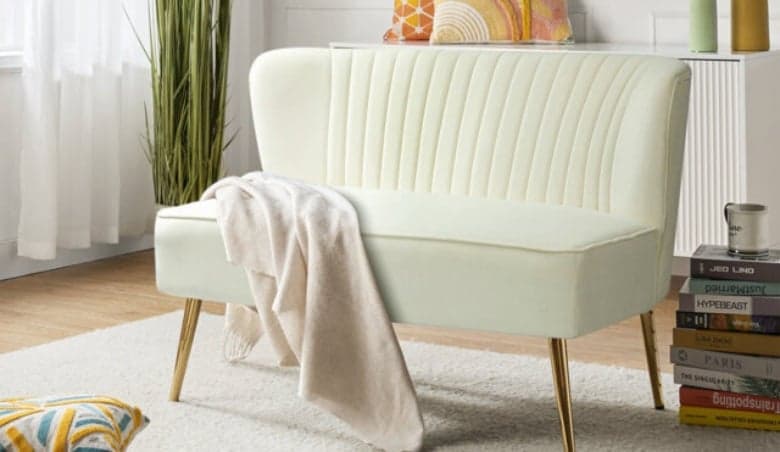
Two-seater sofas remain essential for compact UK homes and apartments. Often called loveseats, these smaller sofas provide comfortable seating while preserving valuable floor space. City flats and terraced homes frequently benefit from compact sofa designs because many UK living rooms remain relatively small. Two-seater sofas allow buyers to create practical seating areas without overcrowding the room. Despite their smaller footprint, these sofas still offer significant variety in style and materials. John Lewis, Habitat, and Next all stock compact sofas ranging from minimalist Scandinavian-inspired designs to plush contemporary styles.
Two-seater sofas suit couples, first-time buyers, downsizers, and smaller households particularly well. Many buyers also combine them with accent chairs rather than choosing larger matching suites. Compact sofas also provide greater layout flexibility. They can fit more comfortably around fireplaces, bay windows, or awkward alcoves often found in traditional British homes. For buyers prioritising practicality and efficient use of space, two-seater sofas remain one of the most versatile choices available.
7. Mid-Century Modern Sofas
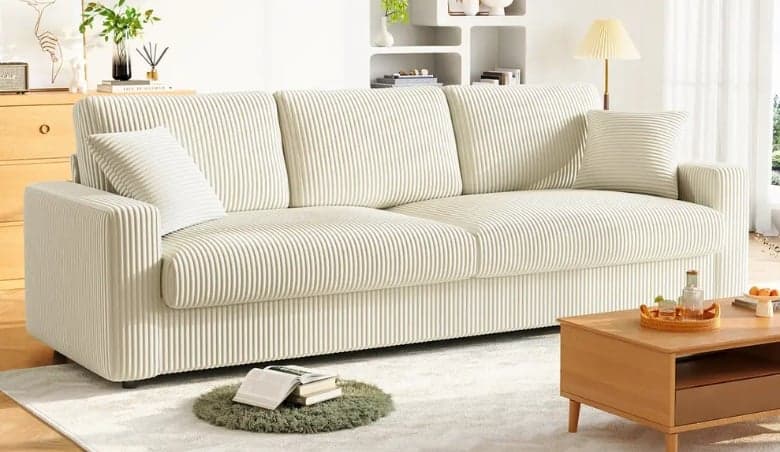
Mid-century modern sofas continue attracting strong interest from UK homeowners seeking clean lines and understated styling. Inspired by furniture designs from the 1950s and 1960s, these sofas typically feature slim frames, tapered wooden legs, and structured cushions. This sofa style works particularly well in contemporary apartments and Scandinavian-inspired interiors. Neutral fabrics, boucle textures, and earthy tones remain especially popular within this category. Retailers such as Heal’s, West Elm, and Next continue expanding mid-century collections as consumer demand for timeless furniture grows.
Many buyers appreciate the balance between visual simplicity and everyday practicality. Mid-century modern sofas usually appear less bulky than oversized recliners or traditional suites, making them suitable for smaller living rooms. GlobalData research found that many UK consumers now prioritise long-lasting design over rapidly changing home trends (2). Mid-century furniture aligns closely with this preference because its aesthetic has remained consistently popular for decades.
Choosing between different sofa types depends entirely on individual needs, room size, and lifestyle preferences. Some buyers prioritise flexibility, while others focus on comfort, traditional styling, or compact living solutions. The UK sofa market now offers more variety than ever before. From modular corner sofas to classic Chesterfields, consumers can compare countless styles, materials, and layouts across multiple retailers. This makes careful comparison increasingly important before making a purchase.
Using a furniture finder platform can simplify the entire process. Instead of browsing individual retailers separately, shoppers can compare sofa sizes, prices, finishes, and features in one place. That makes it easier to discover sofas that genuinely suit both the home and everyday living needs.
For more style inspiration to create your perfect home, follow us on Instagram and Pinterest, or to search furniture retailers across the entire market, simply click here.
References
(1) Statista – UK furniture market revenue and forecast
(2) GlobalData – UK Furniture & Floorcoverings Market Report
(3) Office for National Statistics (ONS) – Household composition and living trends