Choosing the right mattress can change how you sleep, recover and feel each day. UK shoppers now have more choice than ever, from traditional pocket sprung mattresses to compact bed in a box options sold online. That range matters because every home, sleeping style and budget is different.
The UK mattress market is worth well over £1 billion, and innerspring mattresses still hold the largest share at just over 40%, with foam variants being the fastest-growing type (1).
Retailers such as QVC, Dreams and John Lewis each carry their own spread of constructions and price points, so it's worth comparing more than one before you settle on a favourite, weighing up support, materials, price and added benefits such as sleep trials or guarantees.
What to think about before you start your search
A few honest questions will narrow things down faster for you as you start your search.
- How do you normally sleep? Side sleepers need a softer surface to cushion shoulders and hips. Back and stomach sleepers need a firmer surface to keep the spine straight.
- Do you sleep hot? Hot sleepers trap body heat in dense memory foam. Breathable materials like pocket springs, latex, or gel-infused foam help keep you cool.
- Do you share a bed? Couples need strong edge support and motion isolation. Motion isolation stops movement on one side from waking the other person.
- Do you like to "sink in" or lie more "on top"? If you like to sink in, a contouring memory foam works best. If you prefer to lie on top, a responsive latex or innerspring mattress is better.
- What firmness actually feels comfortable for you? Your body weight and sleeping style change what "firm" or "soft" actually feels like. Heavier bodies usually need a firmer mattress for proper support.
Once you've answered those, comparing mattress types becomes much easier.
1. Pocket Sprung Mattresses
Pocket sprung mattresses contain individual springs that are held in separate fabric pockets. Since each spring moves independently, the mattress can respond to different areas of your body rather than flexing as one collective sheet.
Consider this type of mattress if you:
- Tend to sleep warm and want more airflow through the core
- Prefer a more traditional feel
- Want responsive rather than deeply sinking support
- Share a bed and want to limit movement transfer
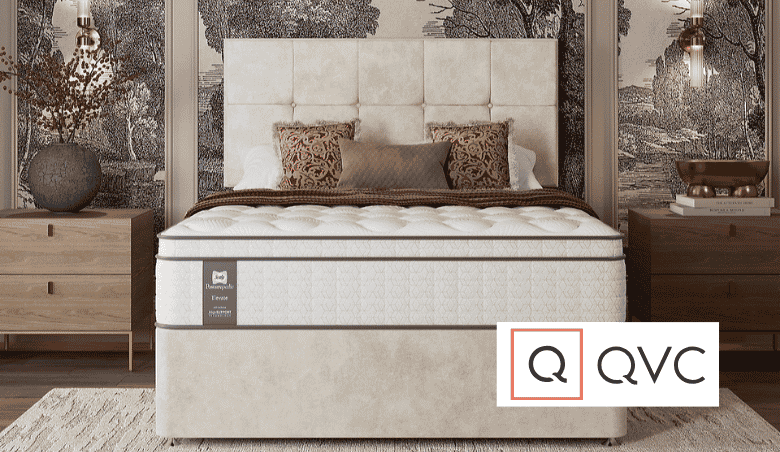
The spring count alone should not decide your purchase. The size and design of the springs, plus the comfort layers above them, will affect how the mattress actually feels when you sleep on it. QVC's Sealy range is worth exploring: its spring systems are built to reduce lateral movement and give responsive support, with reinforced edges that keep the mattress stable right to the perimeter rather than just in the centre.
2. Memory Foam Mattresses
Memory foam responds to heat and pressure as your body weight pushes down on the foam, letting the surface mould to match the exact outline of your body. That snug-fit feel suits anyone who prefers support around pressure points or dislikes the bounce of a traditional sprung mattress.
Memory foam mattresses are worth considering if you:
- Prefer a cushioned, contouring feel
- Want less movement from a partner travelling across the mattress
- Spend long periods in one sleeping position
- Prefer something less springy
Temperature is one of the main trade-offs with this type of mattress. Dense foam restricts airflow more than open spring systems, though many newer mattresses today use open-cell foam, cooling covers and gel layers to manage heat at night. If cooling matters to you, examine how a mattress claims to stay cool rather than depending on the words alone.
3. Hybrid Mattresses
Hybrid mattresses combine more than one mattress technology. They usually have a spring support system with memory foam, latex or another comfort layer on top. The main benefit of this mattress is not having to sacrifice choosing between springs and cushioning.
A hybrid may suit you if you:
- Want the support and airflow of springs with extra cushioning
- Change your sleeping position frequently during the night
- Like foam but don't want a deep all-foam feel
- Share a bed with someone whose comfort preferences differ from yours
"Hybrid" is a broad term. One mattress may use a thin foam layer above the springs, while another stacks several substantial comfort layers on top. Some of QVC's Sealy hybrids use an open-cell Geltex layer, which lets air pass through more easily for extra breathability, alongside layered foams designed for a medium feel.
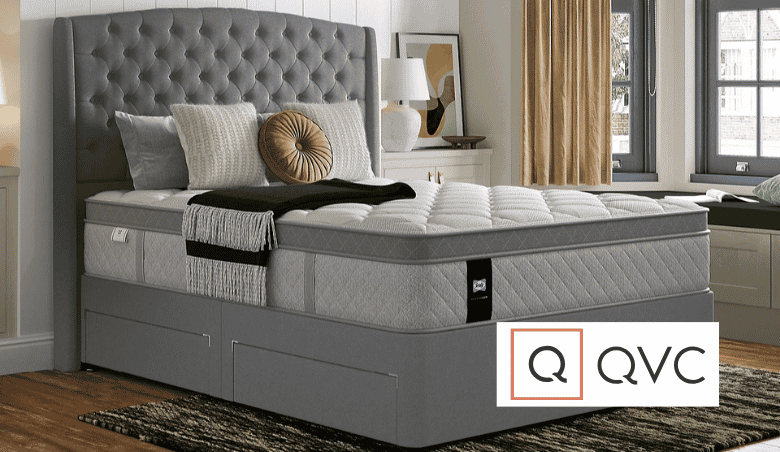
4. Latex Mattresses
A latex mattress is made using layers of natural or synthetic latex, sometimes combined with springs or other foam materials. This type of mattress creates a more buoyant sleep surface than traditional memory foam, responding quickly when you move rather than slowly moulding around your body.
Latex mattresses are worth considering if you:
- Tend to sleep warm
- Change positions frequently
- Prefer to sleep more "on" the mattress than "in" it
- Want a responsive foam-based mattress
- Want to prioritise pressure relief for your joints
Latex can also allow more airflow than dense memory foam, as it is naturally breathable and made from eco-conscious materials. You'll see natural, synthetic and blended latex used across the market, with a common lifespan of seven years.
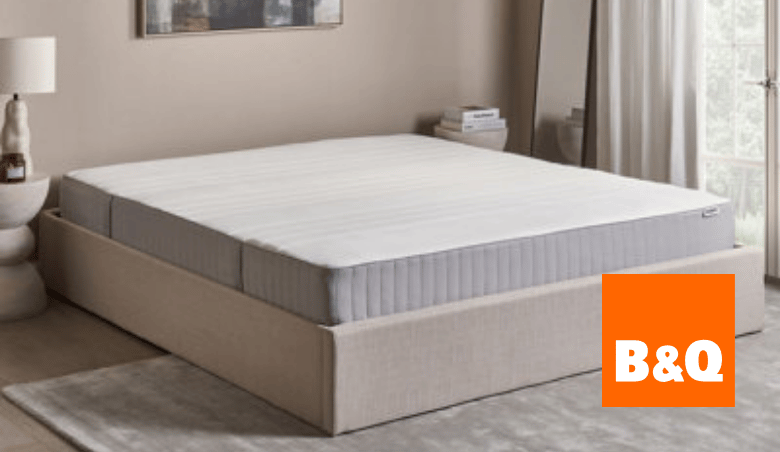
5. Open-coil mattresses
Open-coil mattresses are made from one large, interconnected network of steel wire springs rather than individually pocketed ones. It's a simpler construction that is generally found at lower price points and worth considering for guest bedrooms, tighter budgets or anyone who likes a traditional sprung feel.
The drawback with this mattress is its high motion transfer; movement travels more easily through its interconnected springs. If one partner or pet moves on one side of the bed, the whole surface vibrates, meaning you will feel them move.
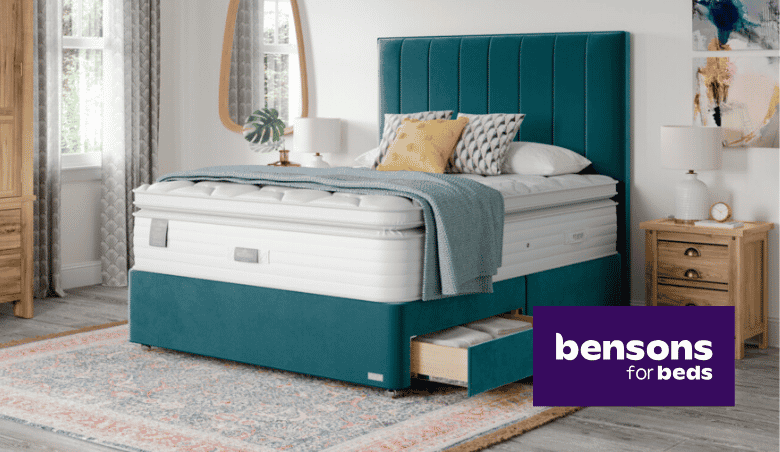
Which mattress suits your sleep position?
Side sleepers need their shoulders and hips to sink in enough to stay comfortable while the rest of the body stays supported. Which? testing found hybrid and pocket sprung mattresses tended to perform particularly well for side sleepers, though foam and open-coil options can also score well (2). A mattress that's too firm creates pressure at the shoulder and hip; one that's too soft lets you sink too deep.
Back sleepers generally need support that keeps the hips from sinking much further than the upper body. Pocket-sprung and hybrid mattresses are useful starting points because both offer responsive support with cushioning through the upper layers. Memory foam works well if you prefer a closer feel.
Back pain doesn't have one proven-best mattress type. Which? focused on body support and pressure distribution rather than assuming a very firm or "orthopaedic" mattress will solve the problem on its own (3). If back pain is persistent or affecting your daily life, treat a new mattress as one part of the picture rather than a substitute for medical advice.
Hot sleepers should look at the mattress construction rather than the word "cooling" that appears on the label. Pocket sprung mattresses allow air to move through the open space around the springs. Although the foam on top influences how warm it feels, hybrids still receive airflow through the spring layer. Latex is typically more breathable than dense memory foam.
You can browse cotton, wool and bamboo mattresses through uFurnish.com if breathable fillings and covers matter to you or explore QVC's mattress range for cooling and temperature-regulating options.
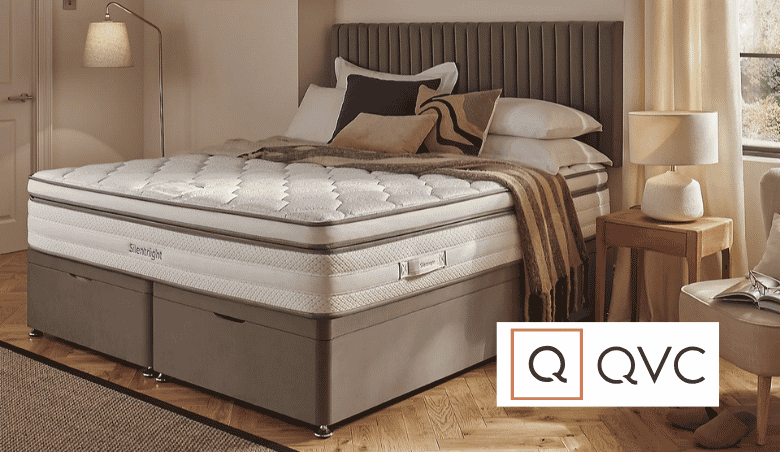
What is an orthopaedic mattress?
"Orthopaedic" sounds like a distinct technology, but it's really a marketing term used for mattresses built around firmer support. It doesn't mean the mattress is medically approved or automatically right for back pain.
If you're considering one, look past the name and assess its firmness, support system, pressure distribution and comfort layers against your own sleeping position. The mattress that suits you best may not carry the word "orthopaedic" at all.
Should you buy a bed in a box mattress?
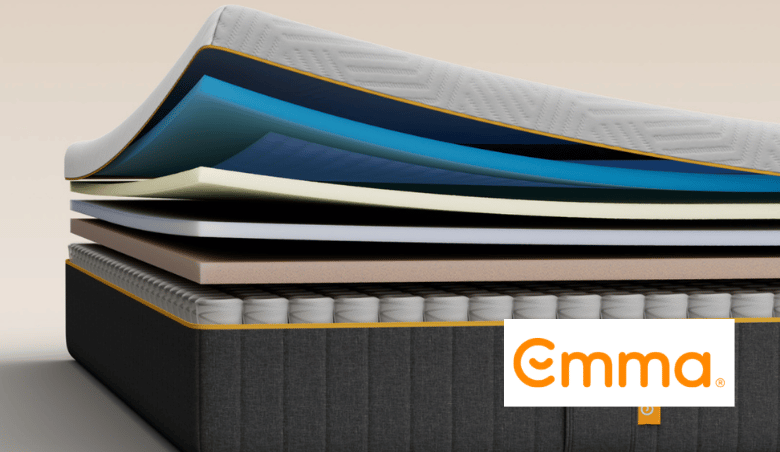
Bed in a box describes how a mattress is compressed and delivered, not what's inside it. A boxed mattress could be memory foam, hybrid or another foam-based construction. The main advantage is the delivery: a compressed mattress is easier to move through narrow hallways, staircases or flats before it's opened in the bedroom. Specialists such as Emma Sleep and Mattress Next Day are worth a look if a quick, boxed delivery matters to you.
What should you check before buying a mattress?
Once you've settled on a mattress, a few details are worth checking before you order.
- Comfort trial. This lets you test a mattress in your own home, though conditions usually apply. You may need to sleep on it for at least 30 nights before requesting an exchange, using the retailer's approved protector or paying redelivery fees. Terms vary between retailers and can sometimes vary from product to product on the same site.
- Guarantee. This is different from a comfort trial and usually covers manufacturing defects rather than whether you like the feel of the mattress. Check what's covered and for how long. A long headline guarantee doesn't always mean every type of wear is included for the full period.
- Firmness. You shouldn't assume "medium" or "medium-firm" means the same thing across brands. Use the provided rating as guidance rather than an exact comparison.
- Delivery and access. Measure the route into your bedroom as well as the mattress dimensions. A large traditional mattress can be awkward through narrow staircases, while a rolled mattress or bed in a box is usually easier to manage on arrival.
Once you know which mattress construction suits the way you sleep, you can focus on the details that matter next, including material, retailer and price.
For more style inspiration to create your perfect home, follow us on Instagram and Pinterest, or to search furniture retailers across the entire market, simply click here.