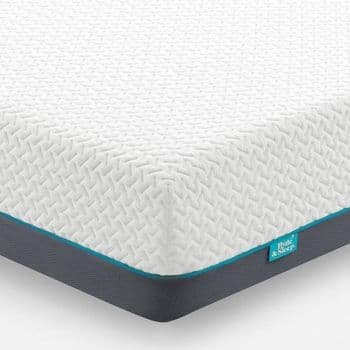
Wondering which bed is best for the way you sleep? The answer depends on more than your bedroom style. Back sleepers often need firmer support while side sleepers benefit from pressure-relieving mattresses. Couples, hot sleepers and growing families all have different priorities, making it important to choose a bed that suits their individual needs and lifestyle. Matching your bed and mattress to your sleeping habits can improve comfort and help you get a better night's sleep.
Today's market includes everything from ottoman storage beds and upholstered frames to hybrid, pocket-sprung and cooling mattresses. According to IBISWorld, the UK bed and mattress retail sector reached £410.8 million during 2024, showing how strongly consumers continue to invest in sleep products (1).
This guide explains which beds are best suited to different sleeping styles, helping you compare your options and make a more informed choice before you buy.
1. What Is the Best Bed if You Sleep on Your Back?
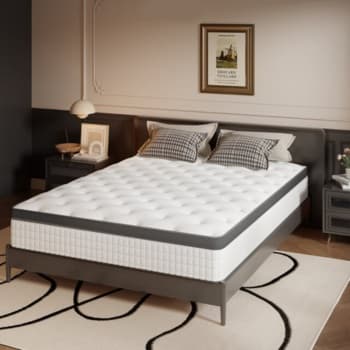
If you sleep on your back, a supportive bed frame paired with a medium-firm mattress is usually the best choice because it helps keep your spine in a neutral position throughout the night. A wooden slatted frame or divan base paired with a medium-firm hybrid mattress is often a reliable choice. Orthopaedic mattresses are also widely chosen by people who regularly wake with lower back stiffness or shoulder discomfort.
Simple upholstered beds with sprung slats suit both traditional and modern bedrooms. Many UK retailers now offer zoned support technology, helping distribute body weight more evenly throughout the night. Hybrid mattresses combine pocket springs with responsive foam to minimise sinking while maintaining comfort. Neutral finishes such as oatmeal, charcoal and concrete complement a wide range of bedroom styles.
2. What Bed Should You Choose if You Sleep on Your Side?
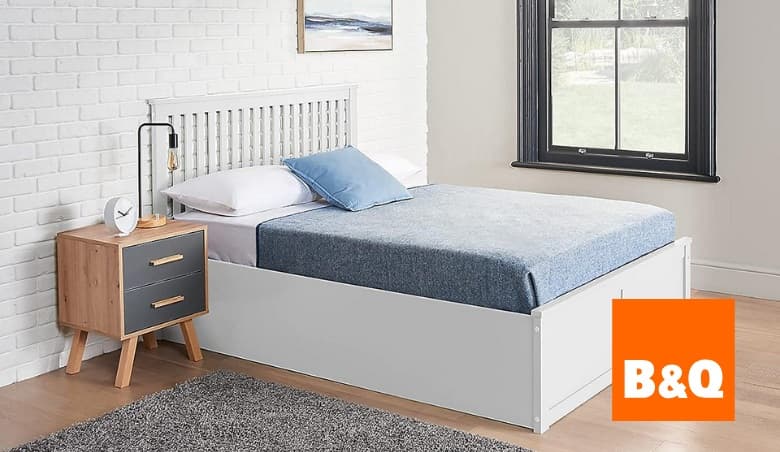
Side sleepers usually sleep best on an upholstered bed with a medium or medium-soft mattress that cushions the shoulders and hips while keeping the spine aligned. These mattresses provide a balanced sleeping surface that cushions key pressure points. Many sleep experts consider this combination among the best, particularly when paired with deep-pocket sprung mattresses that contour naturally to the body. Deep pocket sprung mattresses from brands such as Simba, Emma and Tempur remain popular because they contour naturally while maintaining good alignment.
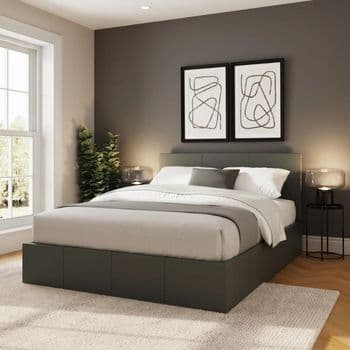
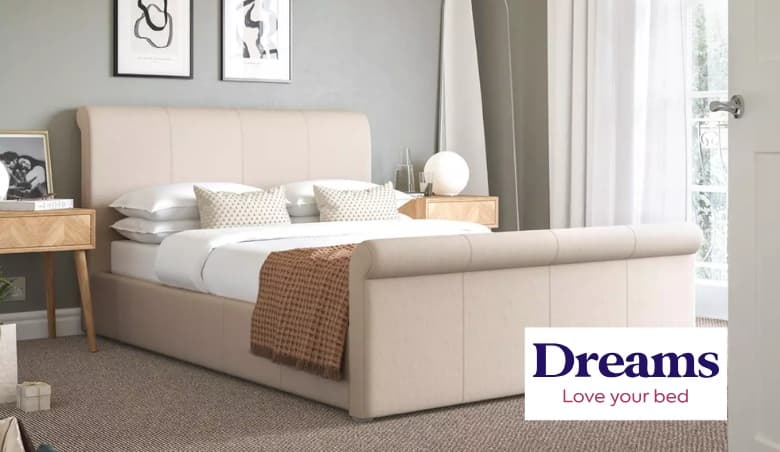
Ottoman storage beds are also useful to side sleepers thanks to their padded headboards, making them comfortable for reading or watching television. Fabric finishes including boucle, velvet and woven linen create a softer look within the bedroom. Many buyers choose king-size frames to allow more freedom of movement without disturbing a partner. Breathable mattress toppers can also help reduce overheating during warmer weather.
3. What Bed is Best for Taller Adults?
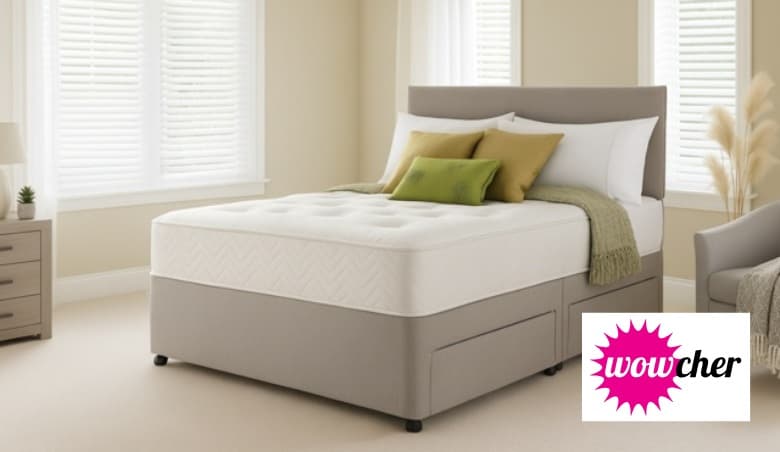
Taller sleepers are usually better suited to a king-size or super king-size bed because the extra length and width provide greater comfort and allow more freedom of movement. These beds provide the extra leg room taller adults need, particularly for anyone over six feet tall. Reinforced wooden frames with central support rails also improve durability over time.
Deeper mattresses with reinforced edges help maintain stability across the entire sleeping surface. Hybrid designs work well by combining responsive springs with cushioning comfort layers. Additionally, thicker mattresses also distribute body weight more evenly, reducing pressure across the bed. Minimalist wooden frames are the preferred choice because they create a cleaner appearance while avoiding bulky footboards that reduce usable space.
4. What Bed Should Couples Choose?
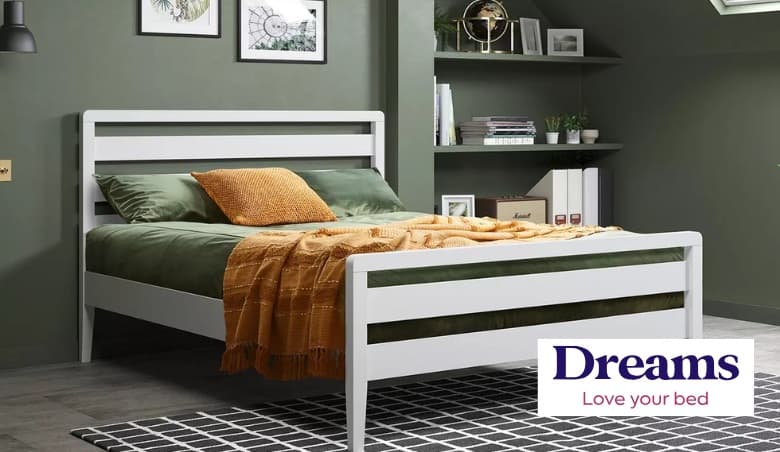
For most couples, a king-size or super king-size bed with a pocket sprung or hybrid mattress offers the best combination of space, support and motion isolation. These qualities all become important when two people sleep together every night. King-size and super king beds continue to be the preferred option for couples because they provide generous personal space without dominating larger bedrooms.
Pocket-sprung mattresses reduce movement transfer, making them well-suited to couples with different sleeping patterns. According to research commissioned by eveSleep, 43% of dissatisfied sleepers said their mattress caused more pain than relief, with lower back discomfort being the most common complaint (2). Ottoman storage beds work in smaller homes by creating valuable storage for bedding without adding extra furniture. Upholstered headboards provide additional comfort while giving the bedroom a more refined finish.
5. What Bed Helps if You Wake Up with Back Pain?
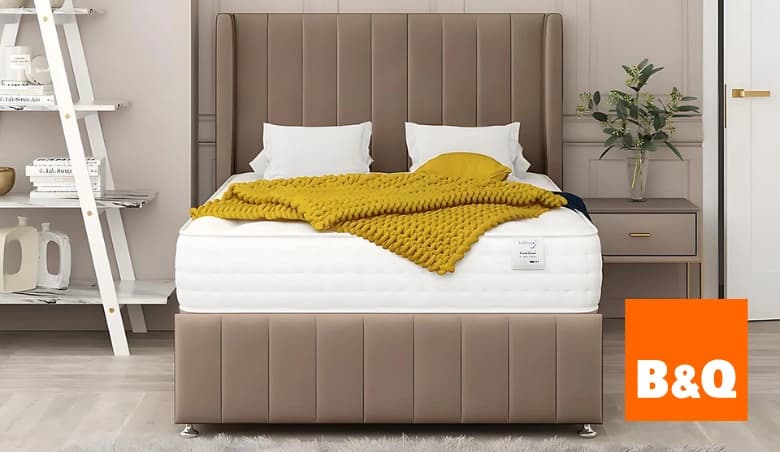
If you experience back pain, a medium-firm mattress on a supportive bed base is often the best option because it helps maintain healthy spinal alignment without creating pressure points, particularly when paired with responsive pocket springs. Orthopaedic designs continue to be widely recommended because they deliver the support you need without them feeling overly firm.
Adjustable divan beds allow users to change their sleeping position easily, helping with reading, resting and pressure relief. Mattress technology has also advanced considerably in recent years. Grand View Research states that the UK mattress market could exceed £1.95 billion over the coming years as consumers increasingly prioritise sleep health and premium comfort products (3). More so, slatted bed bases improve airflow beneath the mattress while helping extend its lifespan. Upholstered beds with taller headboards are a popular choice for buyers who want to combine comfort with a smart bedroom finish.
6. What Bed Keeps You Cool at Night?
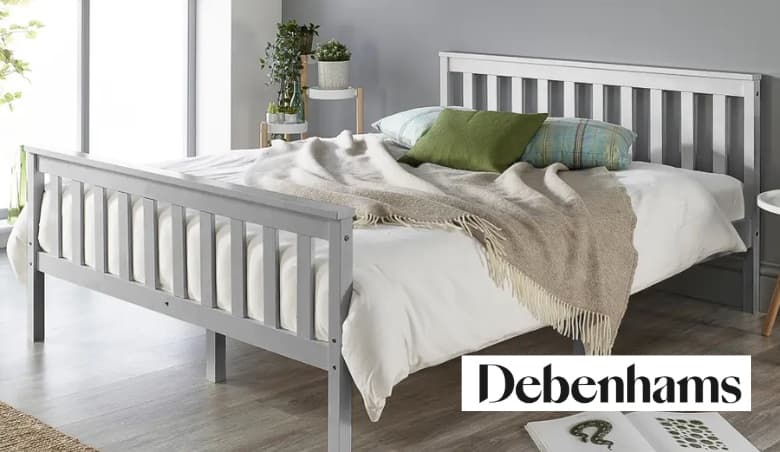
Hot sleepers would benefit from a wooden slatted bed frame paired with a cooling or hybrid mattress because better airflow helps reduce heat build-up throughout the night. They encourage better ventilation beneath the mattress than solid platform bases, helping heat escape more easily throughout the night.
Cooling mattresses and hybrid designs have grown in popularity as they regulate temperature more effectively than traditional memory foam. Many shoppers searching for the best mattress for hot sleepers now choose mattresses with cooling gels, breathable covers, or natural fibres such as wool and bamboo. These fibres help improve mattress breathability and moisture control. Cooling ranges from Emma, Simba and Tempur attract buyers looking for better temperature regulation.
7. Which Bed is Best for Growing Children?
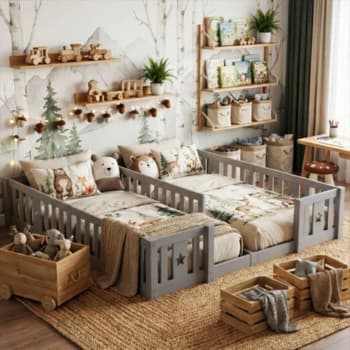
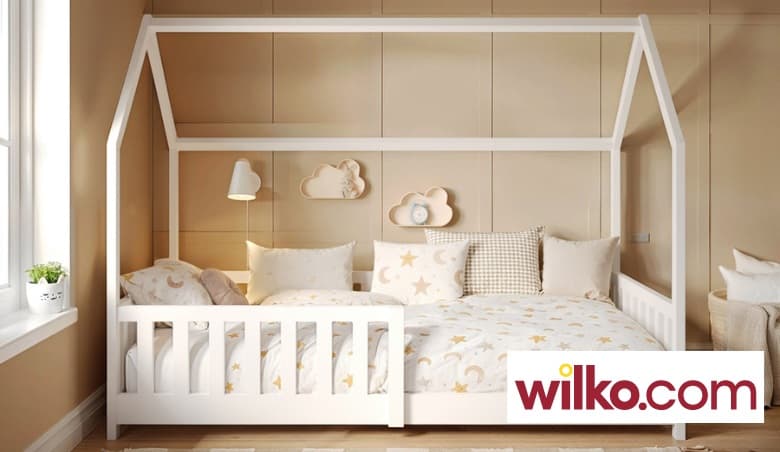
The best bed for a child is one that provides the right level of support while making the most of the available space, whether that's a cabin bed, bunk bed or ottoman storage bed. These beds often maximise storage without making smaller bedrooms feel cramped.
Wooden frames are known to provide better long-term durability than lightweight metal alternatives. Many parents also choose upholstered headboards with washable fabrics alongside rounded bed frames that are easier to maintain. In addition, selecting the right mattress is equally important, with medium support often providing a suitable balance for growing children. Natural timber finishes also make it easier to update bedroom décor as children grow.
Choosing the right bed starts with understanding how you sleep. The best option for one person may not be the right choice for another. Back sleepers often need firmer support and side sleepers benefit from greater pressure relief. While couples, hot sleepers and growing families all have different priorities. Matching your bed frame and mattress to your sleeping habits is far more important than simply following trends or choosing the most expensive option.
Whether you're comparing ottoman beds, king-size beds, upholstered frames or mattresses, choosing the right combination can improve your comfort and sleep quality.
For more style inspiration to create your perfect home, follow us on Instagram and Pinterest, or to search furniture retailers across the entire market, simply click here.
References
(1) IBISWorld – Bed & Mattress Retailers in the UK Market Size
(2) The Sun – One in four Brits say they prefer a firm mattress
(3) Grand View Research – UK Mattress Market Size & Outlook, 2033