When it comes to dressing your windows, curtains and blinds are two of the most popular choices. Both can transform a room, provide privacy and help control natural light, but they offer different benefits depending on your space, lifestyle and interior style.
So, which should you choose? Are curtains better for creating a cosy atmosphere, or do blinds offer a more practical and versatile solution?
We've compared the two, shared our top tips and explored the best options for every room.
Curtains vs Blinds: What's the Difference?
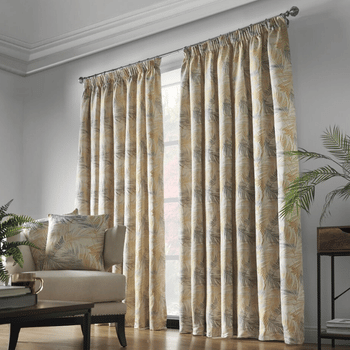
Curtains are fabric window coverings that hang from a pole or track, usually extending beyond the window frame. Available in countless colours, patterns and fabrics, they're a great way to introduce softness, texture and personality to a room. Thermal and blackout linings can also provide additional insulation and light control.
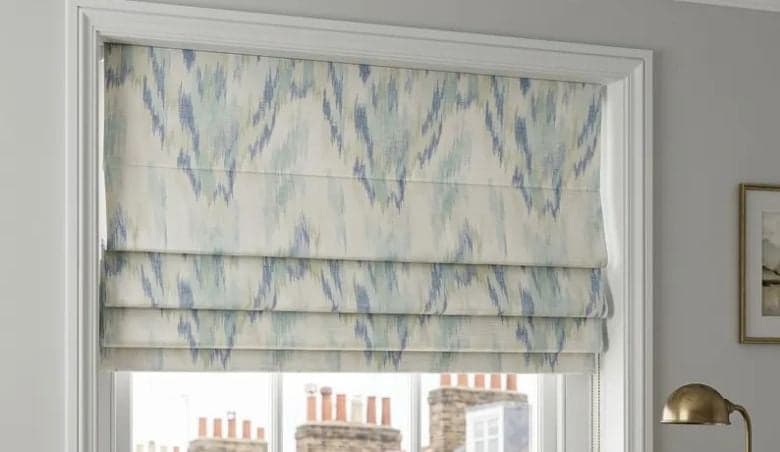
Blinds are fitted within or around the window frame and come in a variety of styles, including roller, Roman, Venetian and vertical blinds. Their streamlined design makes them particularly useful for smaller spaces, while many styles offer adjustable light control and privacy.
Swift Direct Blinds offers an extensive collection of made-to-measure curtains and blinds, making it easy to explore different styles, fabrics and finishes.
When Should You Choose Curtains?
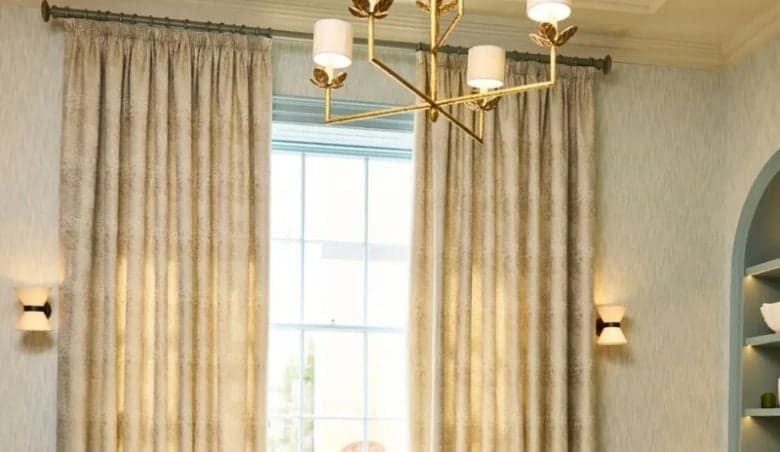
If you're looking to create a cosy, welcoming interior, curtains are a brilliant choice. Their soft fabrics and flowing appearance can make a room feel more finished, while introducing colour, pattern and texture.
Some of their biggest benefits include:
- Creating warmth: Heavier fabrics such as velvet can make living rooms and bedrooms feel cosy and inviting.
- Improving insulation: Thermal-lined curtains can help reduce heat loss around windows.
- Adding personality: From bold florals to neutral linen textures, curtains offer plenty of opportunities to complement your interior style.
- Making windows appear larger: Hanging curtains higher and wider than the window frame can create the illusion of taller ceilings and bigger windows.
Top tip: For bedrooms, consider blackout or thermal linings to help reduce incoming light and improve insulation.
When Should You Choose Blinds?
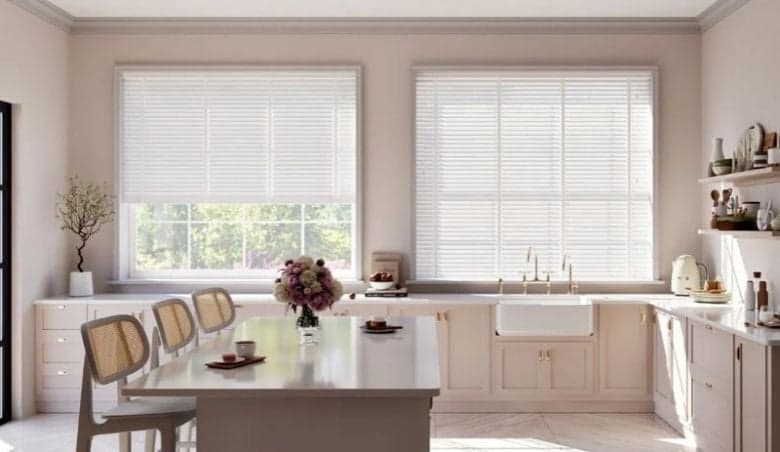
Blinds are often the better option if practicality, flexibility and precise light control are your priorities. Their streamlined design also makes them particularly useful in rooms where space is limited.
Their key benefits include:
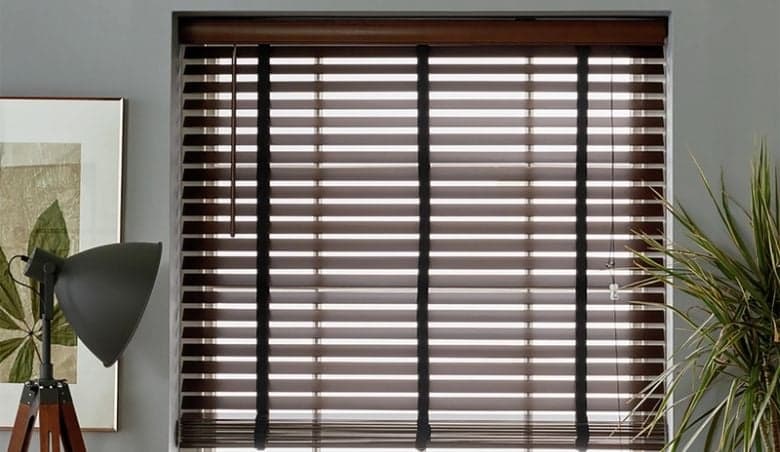
- Flexible light control: Venetian and Day & Night blinds allow you to adjust light levels throughout the day.
- Space-saving designs: Blinds don't require additional wall space for fabric to hang, making them ideal for smaller rooms.
- A contemporary finish: Roller and Venetian blinds work particularly well in modern, minimalist interiors.
- Made-to-measure options: Blinds can be designed for a wide variety of window shapes and sizes.
Top tip: Consider which direction your windows face. If your room receives strong afternoon sunlight, adjustable Venetian or Day & Night blinds can help manage glare without completely blocking natural light.
Which Is Best for Each Room?
Sometimes the best solution is to choose different window dressings for different rooms. Here's what we'd recommend:
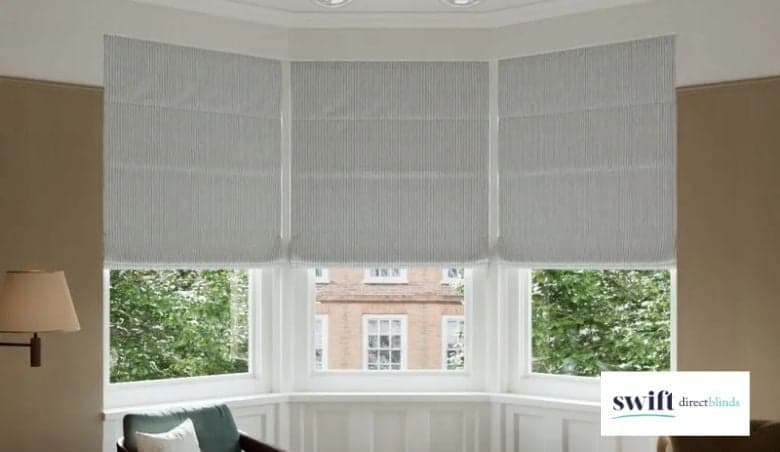
- Living room - Curtains or Roman blinds: Choose full-length curtains for a softer, traditional look, or Roman blinds for a stylish, space-saving alternative. Both can help create a welcoming atmosphere.
- Bedroom - Blackout curtains or blinds: Both options can help reduce incoming light. Consider combining blackout blinds with thermal-lined curtains for additional flexibility.
- Kitchen - Roller or Venetian blinds: Practical, easy-to-clean options are best. Faux wood Venetian blinds offer adjustable light control, while roller blinds provide a simple, streamlined finish.
- Bathroom - Moisture-resistant blinds: Waterproof roller blinds and faux wood Venetian blinds are particularly useful in humid environments. Always check the manufacturer's suitability guidance.
- Dining room - Statement curtains or Roman blinds: Introduce warmth with textured fabrics, subtle patterns or decorative finishes.
Can You Have Both Curtains and Blinds?
Absolutely! Combining curtains and blinds is a great way to create a more considered, layered look while offering additional flexibility when it comes to privacy, light control and insulation.
For example, pairing a simple roller blind with floor-length linen curtains creates a relaxed, contemporary finish. Alternatively, blackout blinds layered with decorative curtains can be particularly practical in bedrooms.
The key is to choose complementary colours and textures. If your curtains feature a bold pattern, keep your blinds relatively simple to avoid overwhelming the space.
Five Things to Consider Before Choosing
Still undecided? Ask yourself these five questions before investing in new window dressings:
- What's the main purpose? Are you prioritising privacy, light control, insulation or style?
- How much space do you have? Curtains need room to stack back, whereas blinds offer a more compact solution.
- What's your interior style? Consider whether you prefer soft fabrics or clean, contemporary lines.
- How easy are they to maintain? Think about dust, cooking splashes and everyday wear.
- Have you measured correctly? Check your window measurements and whether you want an inside or outside recess fitting.
Find Your Perfect Window Dressings with uFurnish.com
So, curtains or blinds? Ultimately, the best choice comes down to your individual needs, the room you're dressing and the look you're hoping to achieve.
Whether you love the softness of floor-length curtains, the practicality of roller blinds or the versatility of combining the two, there's plenty to explore.
At uFurnish.com, you can discover curtains and blinds from a range of retailers, compare styles and prices, and find inspiration for every room in your home.
Explore the collections at Swift Direct Blinds and start finding the perfect window dressings for your space.