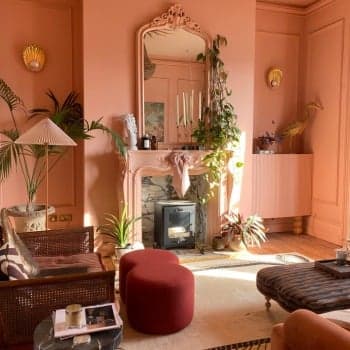
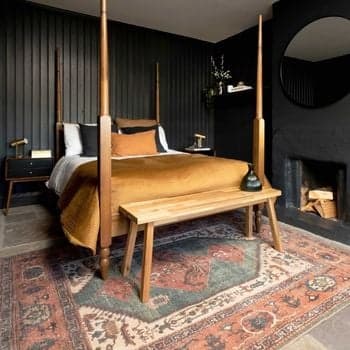
The right rug is not only a question of colour or pattern. Pile height affects how easily chairs move, the material influences how the rug feels and is cleaned, and its size can either connect the furniture or leave the room feeling unbalanced. This is why a deep pile may suit a bedroom, while a dining area usually benefits from a flatter surface.
These choices sit within a sizeable market. Mintel estimates that the UK furniture retail market reached £19.5 billion in 2025 (1), while Market Data Forecast valued the wider UK carpet market at around £2.07 billion in the same year (2). Synthetic fibres held 63.5% of that carpet market, reflecting demand for materials that balance cost and durability. GlobalData also found that quality has become the leading purchase driver across furniture and floorcoverings, placing it ahead of price (4).
This helps explain why the best rug for your home depends on more than its design. Brands such as George at ASDA, Hug Rug and Kukoon Rugs offer several of the types covered below, including traditional, outdoor, children’s and shaggy rugs. This guide explains where seven rug types work best and what to check before buying. You can also compare rugs from multiple UK retailers through uFurnish.com.
1. Traditional rugs: for pattern and detail
Traditional rugs often feature decorative borders, floral motifs and repeated patterns inspired by Persian, Oriental and European designs. They are a good choice when you want the rug to add colour and structure to the room. Reds, blues and golds are common, although faded and neutral designs can sit well in modern interiors.
A patterned blue rug, for example, can work with cream upholstery, wooden furniture and darker finishes. Wool is often used because it is soft and hard-wearing, but many lower-priced options use polyester or polypropylene. Check the composition before buying. These types of rugs work well in living rooms, dining areas and hallways where the full pattern can be seen.
2. Moroccan rugs: for relaxed interiors
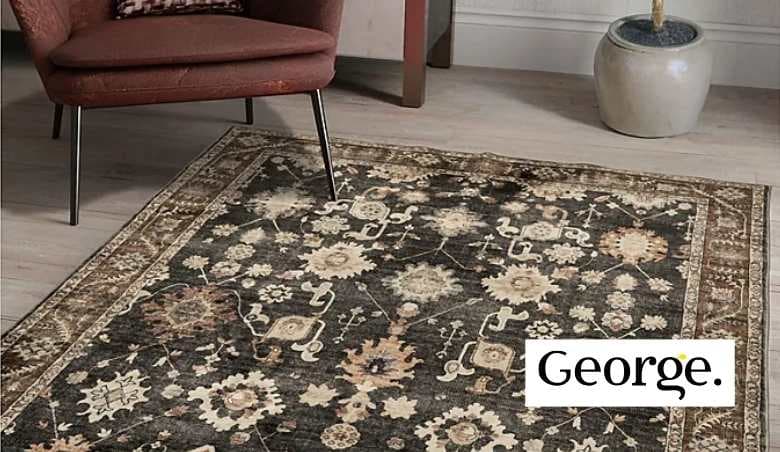
Moroccan rugs are known for their geometric lines, uneven shapes and influences drawn from Berber weaving. Cream and black designs are common, but you can also find chequerboards, stronger colours and flatter woven patterns. They suit rooms with wood, linen, boucle and neutral furniture because the pattern adds interest without taking over the space. A beige rug can be especially easy to coordinate with existing furnishings.
Consider the pile before choosing. A thicker rug adds softness to a bedroom or reading area, while a flatter weave may be easier to care for in a busy living room. Most rugs are Moroccan-inspired rather than handmade in Morocco. Check the materials, origin and production details if that distinction matters to you. Moroccan-style rugs work in bedrooms, living rooms and reading corners where you want to introduce pattern without creating a formal look.
3. Outdoor rugs: for patios and balconies
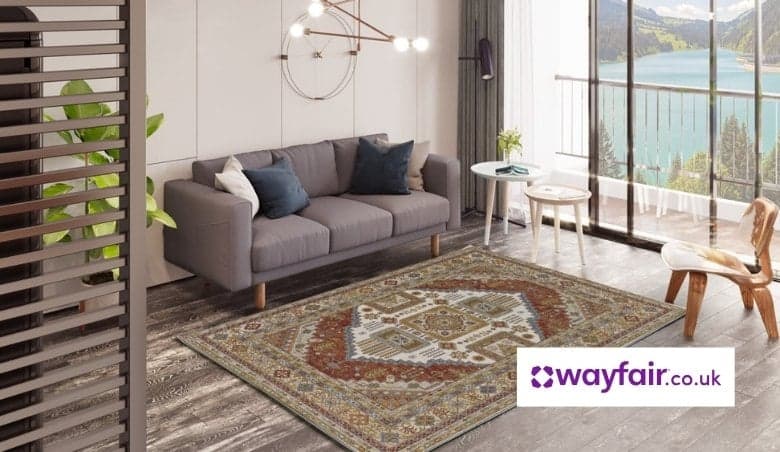
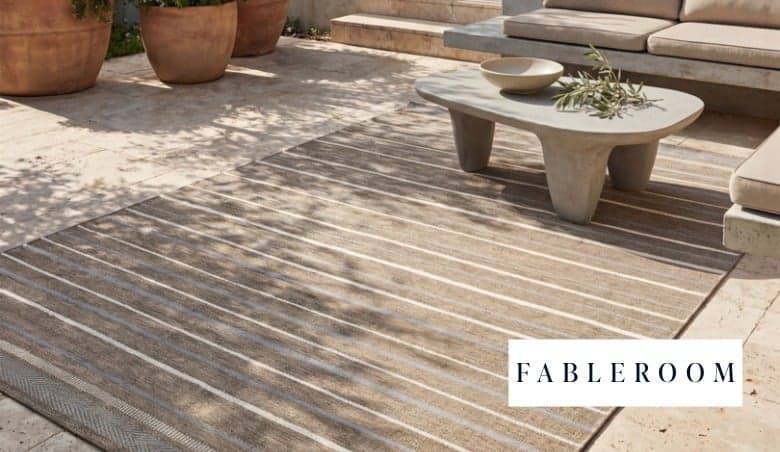
An outdoor rug can help define a garden seating or dining area. You can place one beneath a sofa, bistro set or table to make the space feel more connected to the rest of your home. Most outdoor rugs are made from synthetic fibres such as polypropylene. However, the resistance to rain, sunlight and damp conditions vary between products. Check whether the rug is suitable for uncovered areas or should be stored indoors during poor weather.
Flatwoven designs tend to work well beneath garden furniture because chairs and tables sit more evenly on the surface. Patterned outdoor rugs can also break up plain paving or decking. The interest in outdoor living has continued as more households use patios and gardens as extra living spaces (4). Compare outdoor rugs in different colours and sizes.
4. Luxury rugs: for materials and craftsmanship
Luxury rugs are usually defined by their materials and construction. The category includes hand-knotted wool rugs, silk or viscose blends, designer collections and pieces made using longer weaving processes. These features can create a denser surface, more visible texture and a more detailed finish. This may make a luxury rug worth considering when it will become one of the main features in the room.
However, a higher price does not mean the rug will suit every space. Delicate fibres may be better kept away from entrances, dining tables and busy family areas. Some rugs may also require professional cleaning, so check the care instructions before buying. Wool can offer a balance of softness and durability in a living room. Silk-rich designs may be better suited to rooms with less foot traffic. Explore luxury rugs when the material and construction matter to you as much as the pattern.
5. Children’s rugs: for bedrooms and play areas
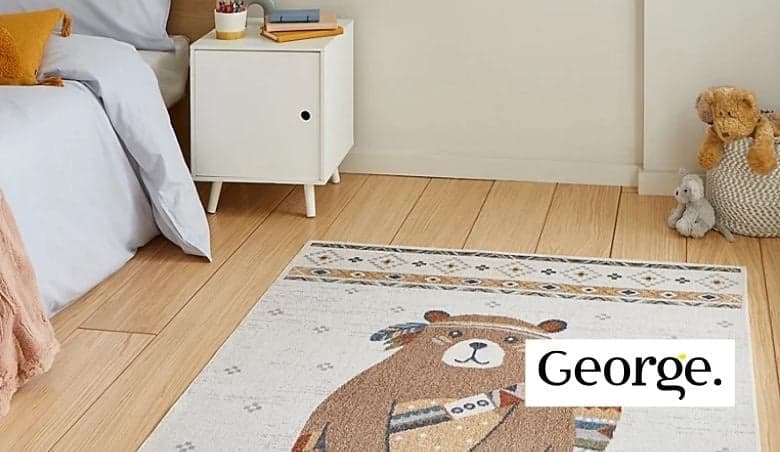
You should start by considering how your child uses the room. A playroom may need a low pile that is easier to clean, while a bedroom can suit something softer beside the bed. Children’s rugs are available with road maps, animals, letters and other themes. You can also choose a simpler pattern that continues to work as the room changes and as your child grows up.
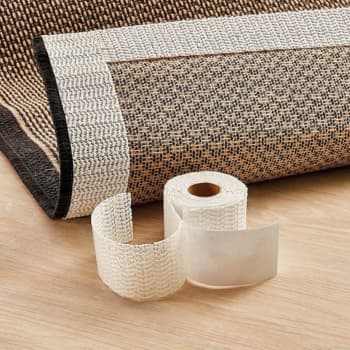
Size is another consideration. A smaller rug can define a reading or activity area, while a larger design may provide more floor coverage for play. You should also check whether the rug is machine washable or only suitable for spot cleaning. A separate rug gripper may also be needed on wood, laminate or vinyl flooring to help reduce movement and prevent any slips. George at ASDA offers children’s rugs across playful shapes and themed patterns, including washable options for bedrooms and play areas.
6. Jute rugs: for natural texture
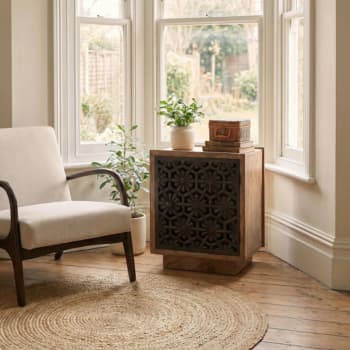
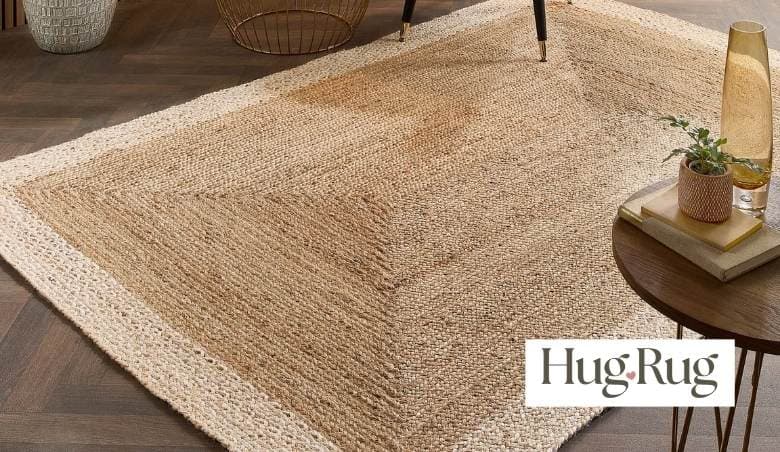
Jute rugs are made from plant fibres and usually have a woven surface in beige, brown or sand tones. They add texture without the depth of a shaggy rug. Their flatter construction works well beneath dining tables and living room furniture. Jute can also sit alongside wood, linen and rattan without introducing a strong colour or pattern.
The fibre is renewable and biodegradable, which has increased the appeal among people looking for natural materials. Mintel has identified sustainability as an important consideration in home purchasing decisions (1). There are some limitations to the jute rug. It absorbs moisture, so it is not suited to bathrooms, uncovered outdoor areas or other damp spaces. It can also feel firmer underfoot than wool or cotton, working best in dry rooms where natural texture matters more than softness or washability.
7. Shaggy rugs: for softness and warmth
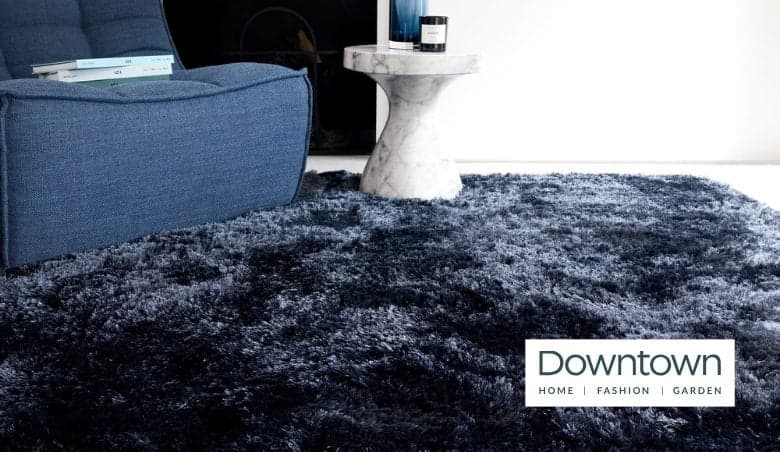
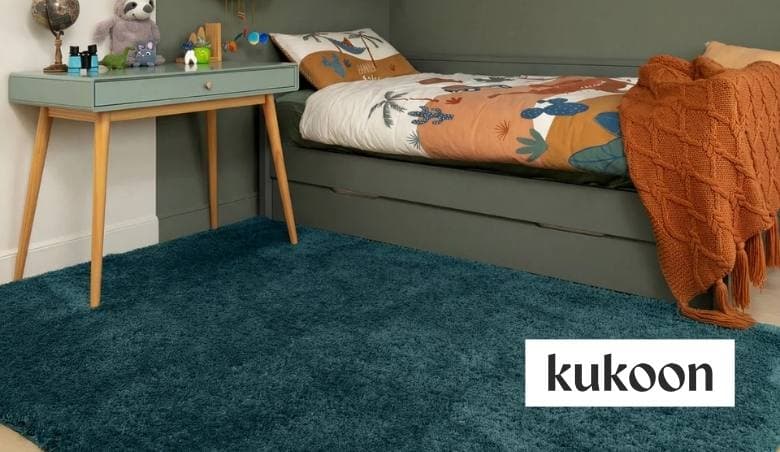
Shaggy rugs have a long pile that feels soft underfoot. They are often used beside beds, sofas and dressing areas where personal comfort matters. Many lower-priced designs use synthetic fibres, although wool and mixed-material options are also available. You can find them in neutral shades as well as stronger colours. You should also think about foot traffic before choosing one.
A shaggy rug can work well in a bedroom or quiet lounge, but it may be harder to use beneath a dining table or in a hallway. Dust, crumbs and pet hair can also settle between the longer fibres.
Regular vacuuming is usually needed, although some rugs should not be cleaned with a rotating brush. You should check the manufacturer’s guidance to avoid damaging the pile. This makes shaggy rugs more suited to lower-traffic rooms where softness matters more than quick cleaning.
Which rug type should you choose?
Opt for a traditional rug if you want pattern and detail, or a Moroccan design for a more relaxed look. Jute adds natural texture, while shaggy rugs suit bedrooms and living areas where softness matters. Children’s rugs can create a comfortable play area, while outdoor rugs help define patios and garden seating. Luxury rugs are worth considering when materials and construction are a priority.
Before buying, you should measure the room and consider where the furniture will sit. Compare the material, pile height, backing and cleaning instructions as well as the colour and pattern.
For more style inspiration to create your perfect home, follow us on Instagram and Pinterest, or to search furniture retailers across the entire market, simply click here.
References
(1) Mintel UK Furniture Retailing Market Report
(2) Market Data Forecast: UK Carpet Market Report
(3) Euromonitor Carpets and Rugs in the United Kingdom
(4) GlobalData UK Furniture & Floorcoverings Market Analysis