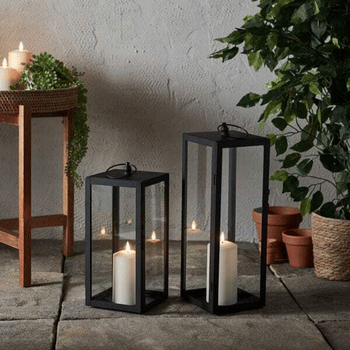
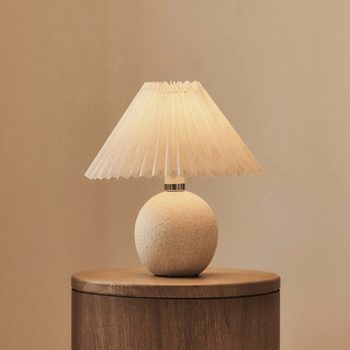
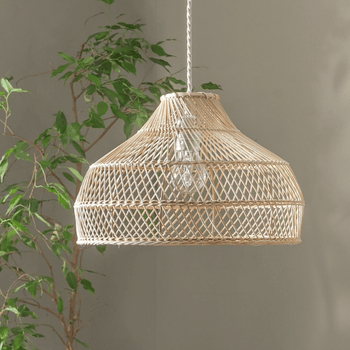
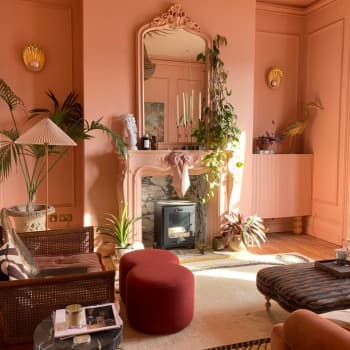
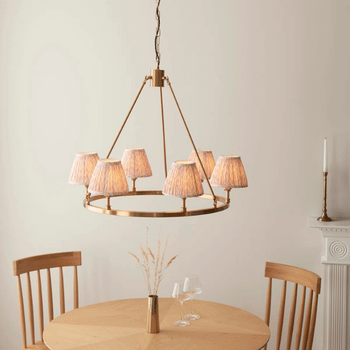
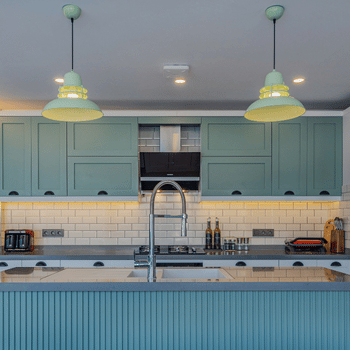
Lighting done well has a great ability to change how your home looks and feels. Ambient or general lighting lets you see and move around a room. Task lighting helps you see what you’re doing when performing a task, and accent lighting is used to draw attention to something you want noticed. These terms help to describe what a light does, and knowing which job is missing stops you buying a light that looks right but solves the wrong problem.
Ambient, task and accent lighting at a glance
Ambient lighting centres around how the room is seen. It is often provided by ceiling lights, pendants or wall lights.
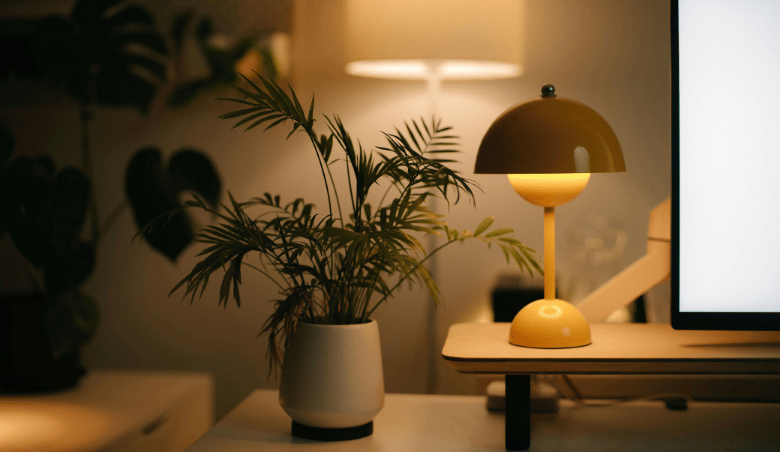
Task lighting focuses on whether or not you can see what you’re doing on a particular work surface. Table lamps, desk lamps or adjustable floor lamps are great examples.
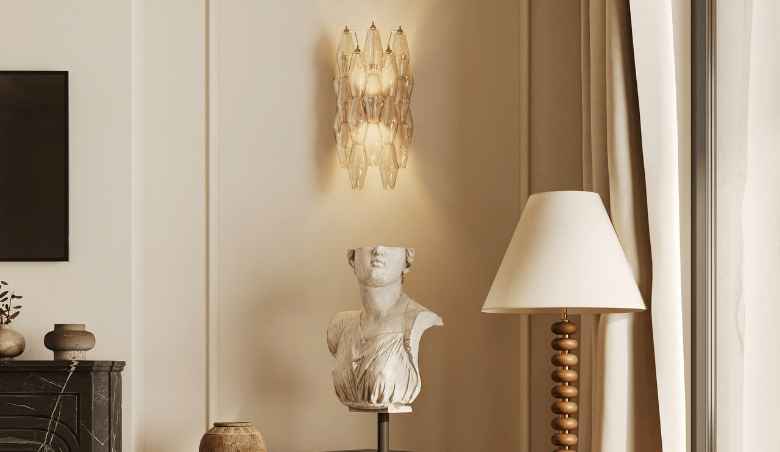
Accent lighting works to showcase something worth noticing. Wall lights, picture lights and spotlights are examples of accent lighting solutions.
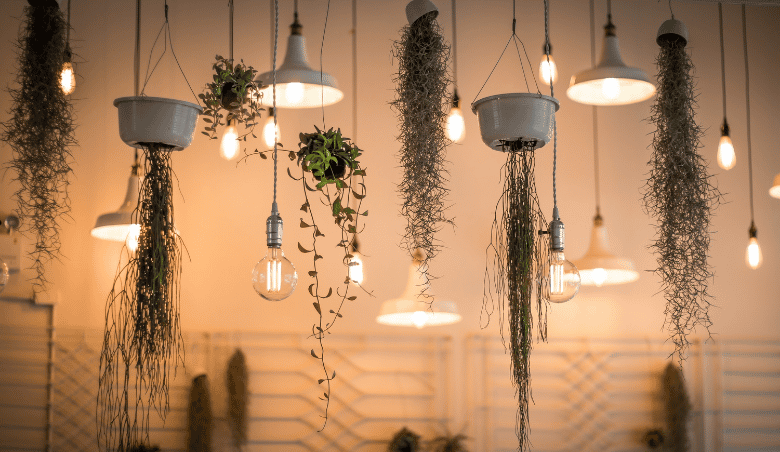
What is ambient lighting?
Ambient lighting provides the main level of light across any given room. Ceiling or pendant lights are often chosen for this particular job, but wall lights or floor lamps can count too if their light spreads evenly around the room. Ambient lighting describes the type of lighting within the room, not the brightness or colour of the light itself.
If you’d like to test and see how much ambient light you have in a particular room, wait until it’s dark, switch on your main light and walk through the room as you normally would. Can you easily see all the furniture, flooring and route as you walk? Or is one area bright while another sinks into the shadows?
Let’s say you have a pendant light in your living room that illuminates the coffee table well, but the sofa and armchair surrounding it sit in darker corners. Introducing a second source of light can do more for the darker corners of the room. Your ambient lighting doesn’t need to light every surface equally; it only needs to provide a comfortable base light level across the room.
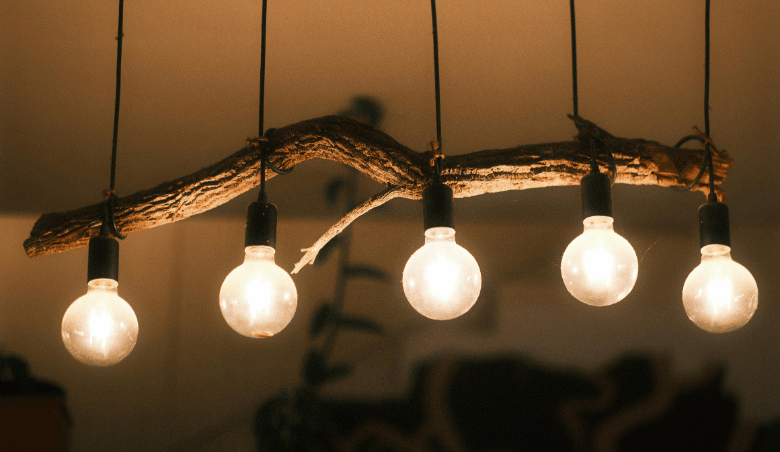
What is task lighting?
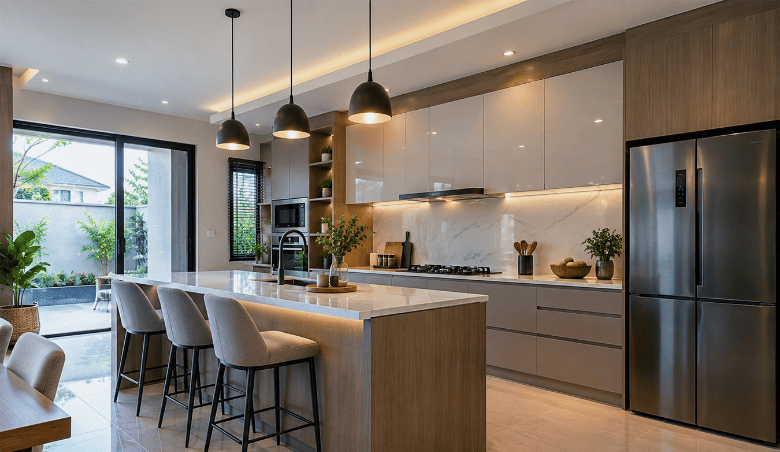
Task lighting, also known in some references as office lighting, puts useful light on areas you're productive in like reading a book in bed, chopping vegetables on the kitchen countertop or getting ready at a dressing table before you go out!
If you have bright ambient lighting but struggle to see what you’re doing, task lighting options are worth exploring. Making the room brighter overall won’t eliminate where shadows fall. The best way to introduce task lighting would be to start with the activity that you intend to do. For example, try sitting on your reading chair with the main light on. If what you’re doing is hard to see at night or early in the morning, work out where the extra light would need to come from.
At a desk, placing a lamp opposite your writing hand will eliminate any shadows that may be cast across the page. In a kitchen, your own body could block ceiling light that would otherwise illuminate onto the worktop. Cabinet lighting, track lighting or spotlights are other task lighting options that you can find on uFurnish.com.
What is accent lighting?
Accent lighting completes the overall layering scheme of a room. It encourages your attention to look somewhere specific. Say your child has created a lovely drawing for you, or there's a piece of furniture that's appealing; accent lighting can ensure that these items are recognised for their beauty by everyone who comes into your home.
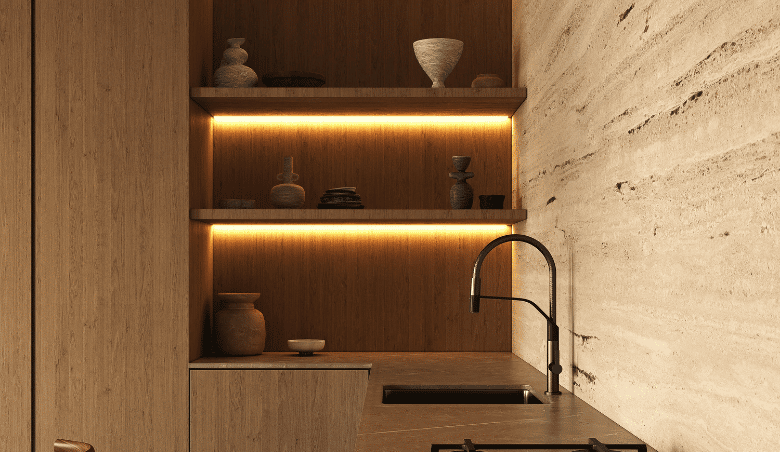
A picture above a fireplace could be visible under ambient lighting, but a separate light that’s aimed directly at the painting, like picture lights, can make it stand out much more, provided the main light is dimmed. Carefully arranged books or ceramics on open shelves in the kitchen can also become more of a feature in the exact same way.
Having a spotlight on an empty wall to add a ‘filler’ won’t add any interior design value. Prioritising the feature piece first and the light second is a sound principle. If you don’t have any specific item you want to highlight, chances are accent lighting isn’t a priority.
Can one light do more than one job?
You’re not restricted to choosing one light for each job that you want it to accomplish. The different types of lights can have multiple purposes depending on where they're used. A pendant light that’s hung centrally in a living room gives ambient lighting. Take that same light and hang it over a kitchen island where food is prepared, and it becomes task lighting.
A floor lamp that is an uplighter would spread light around the room. If it’s adjustable and can be angled in any particular direction, it becomes task lighting. Wall lights spread evenly throughout a hallway can provide great ambient lighting. If you take one of them and place it above a painting, it focuses your attention on it and becomes accent lighting. There are many ways to be creative in how you use light in your home. Read our inspirational article to get inspired and design your dream living room.
How do you work out which lighting your room is missing?
Here are some simple ways in which you can identify what type of lighting you may need to purchase. Do this when you're most likely to have the lights on in your home.
Check the room. Can you comfortably see and move around? If the room feels gloomy with the main light on, you may need more ambient lighting and some accent lighting. Spread light more evenly with ceiling lights, pendants or a couple of wall lights in dimmer areas.
Try your activities. Sit on the sofa and read, work at the desk, prepare food or sit at your dressing table. If the room is bright but the activity area isn’t, you need task lighting. Place light closer to where you are working with table lamps, desk lamps or adjustable floor lamps.
Check the features. Does artwork, shelving or a fireplace disappear from your field of view once daylight has gone? Does the room look flat despite being well lit? That is where accent lighting could earn its place. Highlight a feature you care about with wall lights or picture lights.
Two things that affect every type of light
Bulb colour. Mixing warm and cool white bulbs in the same room can make the lighting feel uneven. Try to keep the same colour consistency across the room.
Dimming. Being able to lower the light brightness lets one fit suit different moments, such as bright for cleaning and softer in the evening.
Ready to apply this to a room?
The mix you need changes between your kitchen, living room, bedroom and dining area with many more things to consider. Read our room-by-room lighting guide that applies these principles in greater depth to each space. By now, describing exactly what you’re looking for should be much easier. Instead of needing another light for your living room, you now have the ability to brighten your space with great attention to detail.
For more style inspiration to create your perfect home, follow us on Instagram and Pinterest. Or to simply search furniture retailers across the entire UK market, simply click here.