Lighting your home should be shaped around what you do in each room. Your kitchen will need clear light around worktops and cooking areas. A living room may need to switch between reading, entertaining and relaxing. In a bedroom, you might want plenty of light while getting ready each morning and something much softer later in the evening.
As you start your search for your perfect light fittings, always keep in mind where you need light and what you need it for. Every decision after that can help you decide whether the room needs ceiling lights, pendants, wall lights, floor lamps or a combination of several.
Lighting for every room at a glance
- Living room: Combine a main ceiling light with table lamps, floor lamps or wall lights around seating areas.
- Kitchen: Use general ceiling lighting alongside more focused task lighting around worktops, the hob and sink.
- Kitchen island: Pendants or linear fittings can provide focused light while visually defining the island.
- Dining room: Centre your lighting around the dining table, then add softer light elsewhere if needed.
- Bedroom: Combine general ceiling lighting with bedside lamps or wall lights for reading and relaxing.
- Hallway: Keep lighting simple and proportionate to the width and ceiling height of the space.
- Home office: Combine even background lighting with a more focused desk or task light where you work.
What are the main types of lighting in a home?
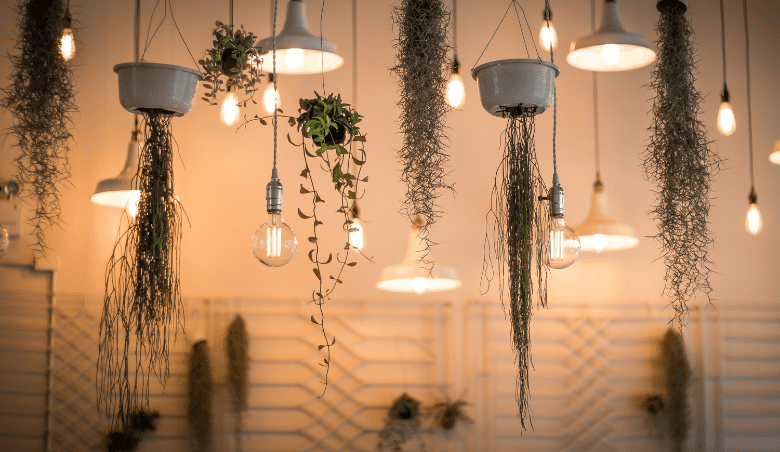
General or ambient lighting provides the main level of light across the room. Ceiling lights, pendants and some wall lights often perform this role.
Task lighting concentrates light where you need to see more clearly, such as a kitchen worktop, desk or reading chair.
Accent lighting adds another layer or highlights something within the room, such as artwork, shelving or an architectural feature.
It isn’t necessary to have all three types of lighting in your home. Some areas may benefit from only one type of lighting, whereas other living areas may require a combination of two or three.
What lighting works best in a living room?
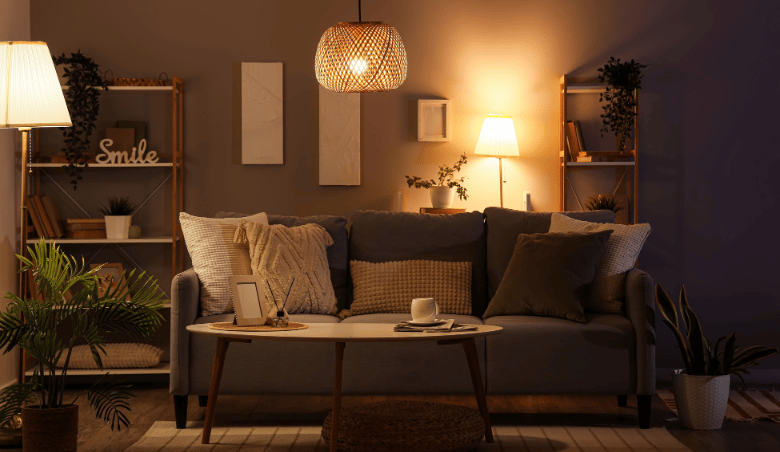
The best living room lighting typically combines a main ceiling light with lamps or wall lights. These are usually positioned around the areas that you actually sit. Starting with your furniture layout is a useful place to start when thinking about ideas.
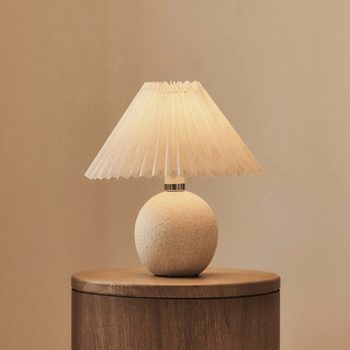
Say you have a sofa and an armchair that provide separate seating areas. One central fitting would illuminate the room and fail to provide you with useful light beside either seat. Introducing a table lamp beside the sofa with a floor lamp next to the armchair can make each area work independently, providing flexibility for you and your guests. The central fitting will illuminate the entire room, whereas the soft lamps can be used when you’re relaxing later in the evening.
What are the best ceiling lights for a living room?
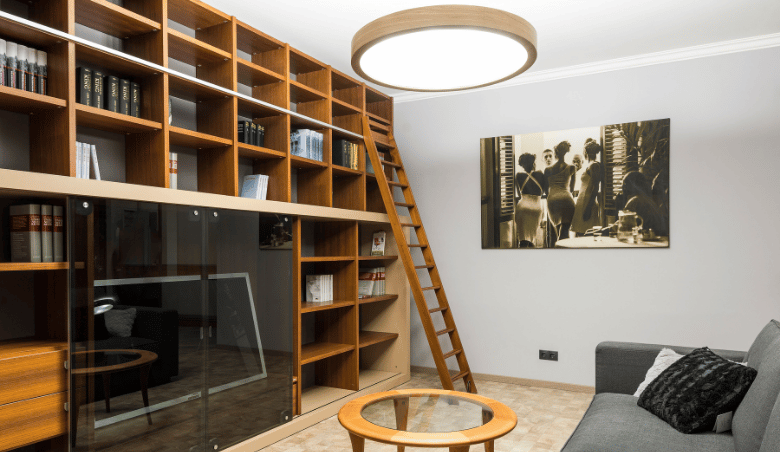
Flush and semi-flush ceiling lights are suited to living rooms with low ceilings. These lights keep the fitting close to the ceiling and take less vertical space. On the other hand, living rooms with high ceilings benefit from pendant lights and chandeliers, as they give more freedom to make the light a fitting feature piece.
The furniture in your living room plays an important role in choosing the right fitting. A small fitting may disappear above a large corner sofa and coffee table, while an oversized pendant light can dominate a small living room. The ceiling light should simply provide your main layer of illumination. It does not need to light every chair, corner and surface equally.
Are wall lights good for a living room?
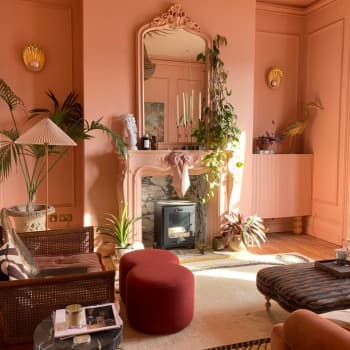
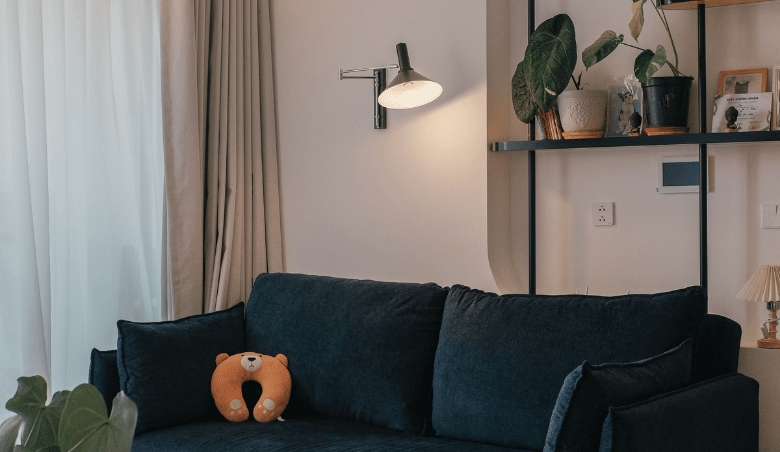
Wall lights are a great source of light that don’t take up valuable floor or table space. They can sit beside a fireplace, around shelving or in darker areas that your ceiling light does not reach as effectively. They can add another layer of lighting or highlight feature pieces in your living room.
Wall lights can be wired or non-wired, depending on the style you choose. If you’re planning on professionally installing wired wall lights, consider the furniture arrangement or layout before installing them. Table or floor lamps, on the other hand, are flexible and work well if you regularly move your room around.
What are the best lights for a kitchen?
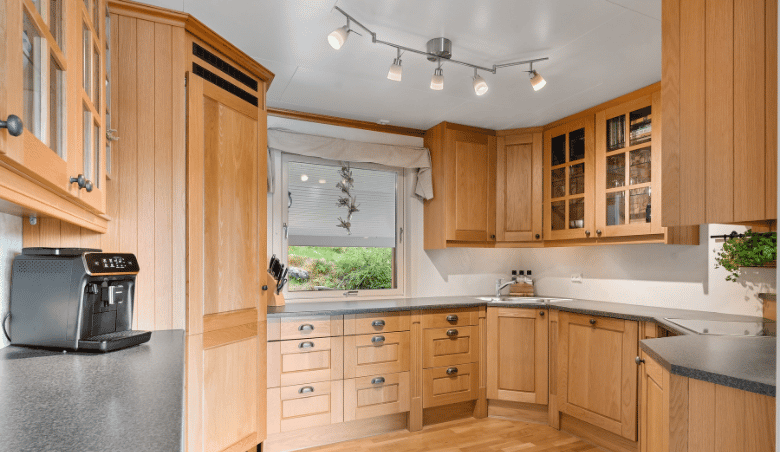
To get your kitchen lighting right, we recommend combining general ceiling lighting with focused task lighting around worktops, cooking areas and the sink. Fittings such as spotlights, track lighting, flush fittings and other ceiling lights will provide the main level of lighting across the space. Other areas of the kitchen, like units, cabinets or your own position, could leave a shadow on your work surface. These areas require task lighting.
So if you are searching for bright kitchen ceiling lights, brightness alone is not necessarily the answer. For example, wall cupboards above a worktop can make under-cabinet lighting useful. Instead of increasing the brightness across the entire kitchen, focusing light exactly where food is being prepared is the best approach.
What lighting works best over a kitchen island?
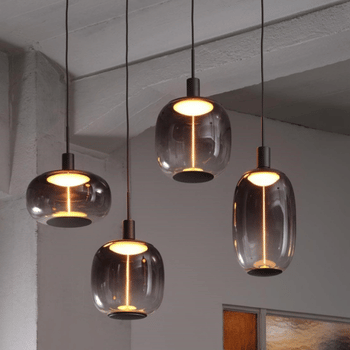
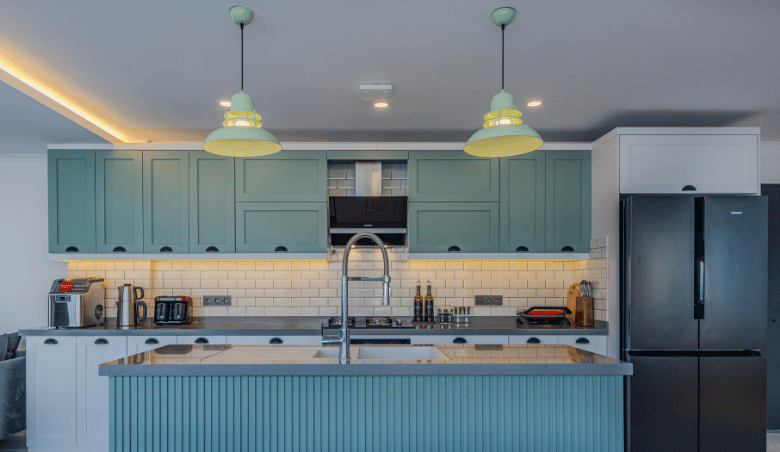
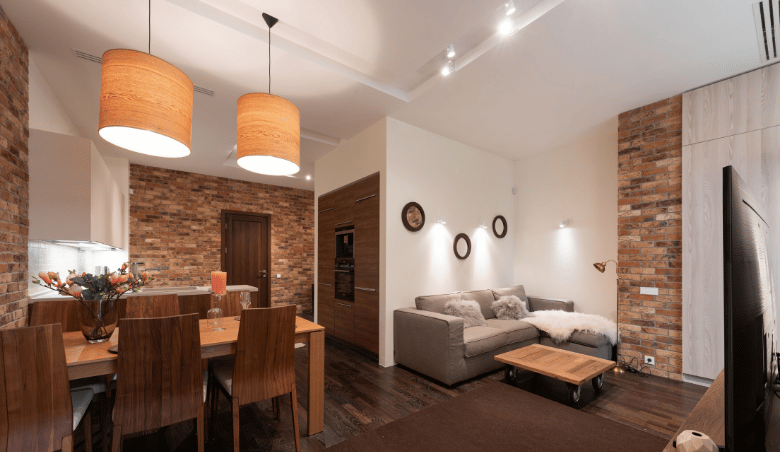
Pendant lights are particularly well suited to kitchen islands because they can provide focused light while helping to define the island within the wider room. A longer kitchen island may suit several smaller pendants, while a large linear fitting could achieve a similar effect, with fewer individual lights. If you have a smaller island, you may only need one suitably sized fitting. The island itself will guide the scale of the fittings that are placed above it.
As mentioned earlier, kitchen lighting works best when general ambient lighting is combined with task lighting. If your kitchen island is mainly used to prepare food or act as a breakfast bar, task lighting should come first. This can help you create a considered result when it comes to lighting your kitchen and dining area.
What lighting works best in a dining room?
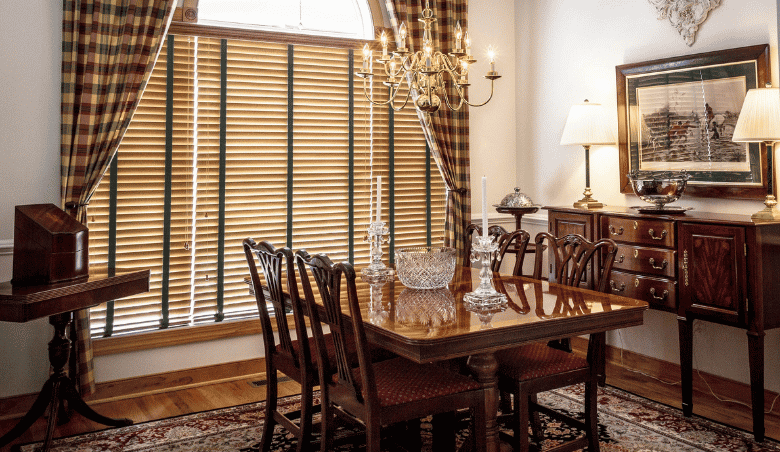
If you’re thinking about refreshing your dining room’s light scheme, plan the design or ideas around your dining table and not just around the centre of the room. If you want a focal point around a round or smaller table, a single pendant or chandelier is the fitting you should choose. Longer rectangular dining tables may suit a wider linear fitting or several pendants to provide enough light both on and around the table.
Your dining table may be used for more than family dinner times. It could become a homework desk for children or be the place where Monopoly is played competitively! Choose the light fitting that will accommodate the different uses of the dining table. Additionally, a table lamp on a sideboard or wall lights around your dining room can provide a second, softer layer.
This can be particularly effective in an open-plan kitchen-diner, where lighting helps visually separate the dining area from the brighter working part of the kitchen.
What are the best lights for a bedroom?
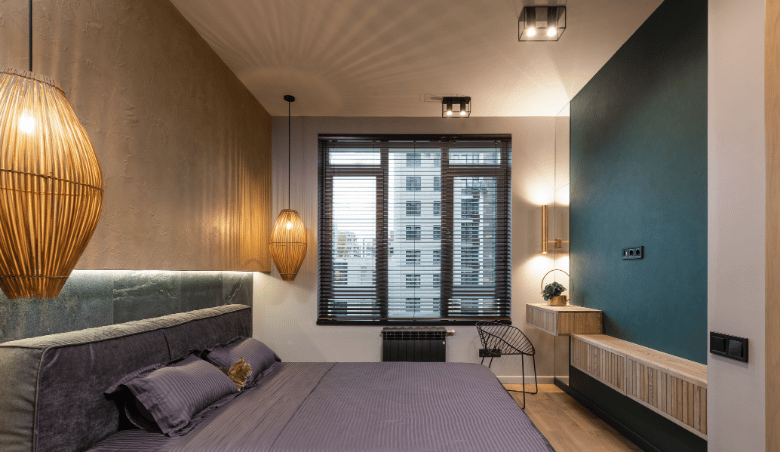
Bedrooms benefit from ambient lighting combined with a soft source of light around the bed. The main light source above the room can provide the bright light you need while getting dressed, cleaning or finding something you misplaced in a chest of drawers. Flush and semi-flush lights work where the room’s ceiling light is limited, whereas pendant lights can create a unique focal point on high ceilings.
Next is your bedside area. Who doesn’t love reading a book in a cosy warm bed with a table lamp beside them at night? A table or floor lamp with a warm colour temperature can give you localised light to read without illuminating your whole bedroom. If you have a small bedside table, try a wall-mounted light to free up valuable space to store your phone or book before you go to bed.
What lighting works best in a hallway?
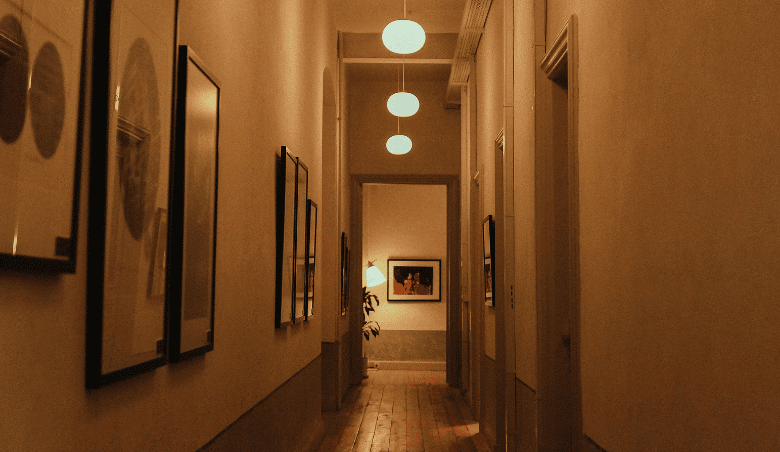
For a short hallway, one well-positioned ceiling light may be enough. A longer or darker hallway can benefit from additional ceiling fittings or wall lights that spread light further through the space. Keep the hallway’s proportions in mind.
A large, low-hanging pendant might suit an open room but become intrusive in a narrow hallway where people regularly walk underneath it. If you have a console table, a small lamp can also give you a softer alternative when you don't need the main hallway light switched on at night.
What lighting works best in a home office?
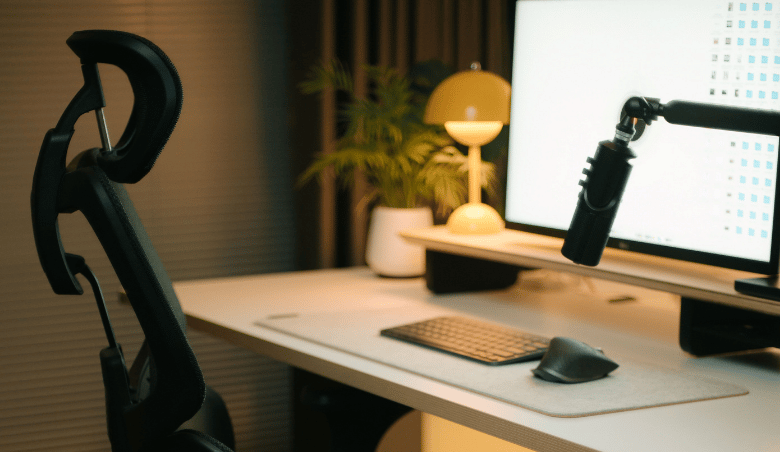
A home office benefits from even background light that’s supported by focused task lighting around the desk. An adjustable desk lamp is useful if you regularly read paperwork, write or complete detailed work. You can position it so that it illuminates the work surface without shining directly towards your computer screen or into your eyes. Instead of making your entire room bright, put additional light where you actually work and combine this with accent lighting.
What should you look for when choosing LED lighting and bulbs?
Once you know which fittings you need, three details can make comparing bulbs and LED lights much easier: energy efficiency, lumens and colour temperature. LEDs are currently the most energy-efficient mainstream household bulb type. Energy Saving Trust states that LED bulbs can provide comparable light to halogen bulbs while using around 80% less electricity, lasting up to 20 times longer too. [4].
When comparing brightness levels between light fittings, look at the lumens and not the watts. Lumens measure the amount of light a bulb produces, whereas watts measure the power consumption of a bulb [4].
How should lighting work with your furniture?
Once you know where the light needs to go, look at the furniture it will sit beside, above or around. Floor lamps need enough room beside the sofa or furniture without narrowing the walkway. Bedside table lamps need to work with both the height and width of the table. A pendant light above a dining table should feel proportionate to the furniture that sits underneath, to minimise the effect of it floating independently in the room.
This applies to shape as well as size. A linear light can echo the length of a rectangular dining table, while a central pendant can create a natural focal point above a round table.
Ready to choose your lighting?
Choosing lighting becomes much easier once you approach it in the right order. Start with the room and what you do there. Identify where you need general light, where more focused lighting would be useful and where accent lighting could highlight certain statement pieces. Then choose the fitting type before narrowing your options by brightness, colour temperature, size, material and finish.
The same process can be applied to rooms we haven't covered in detail. A nursery, utility room or conservatory will have different requirements, but the starting question remains the same: what do you need to see and do in this space?
Once you know what type of light you're looking for, the next stage is deciding where to shop. Our guide to the 10 Best Places to Buy Lighting in the UK in 2026 compares retailers across specialist lighting, designer pieces, everyday options and additional services, helping you move from researching your room to comparing the products available.
For more style inspiration to create your perfect home, follow us on Instagram and Pinterest. Or to simply search furniture retailers across the entire UK market, simply click here.