Memory foam, pocket sprung and hybrid are the three mattress types you're most likely to come across when comparing a new mattress. On paper they can sound similar. In person, they feel completely different.
Interest in these mattress types has grown significantly on uFurnish.com. Between January and August 2026, pocket sprung and memory foam mattresses alone were viewed 35,519 times, up from 18,868 views over the same period in 2025, an increase of around 88%. Across all mattress types, uFurnish.com recorded 112,124 views during the period, with interest highest in January and rising again in April.
January is traditionally a major sales period for beds and mattresses, making it a useful time to compare prices if you're planning a purchase. Black Friday is another key period to look out for mattress offers and discounts.
So if you've narrowed your search down to these three, which one should you choose?
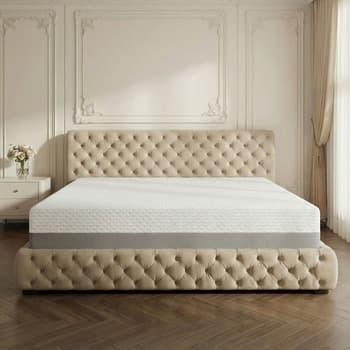
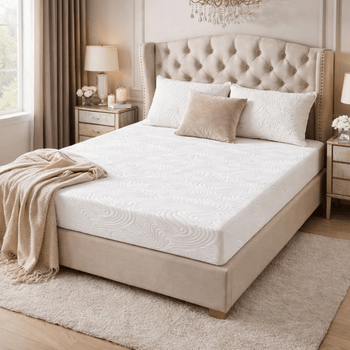
Choose memory foam if you like a close, cushioned feel that moulds around your body and prefer less bounce.
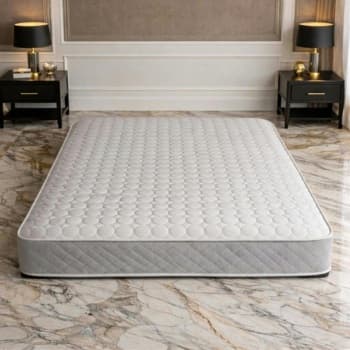
Opt for pocket sprung if you prefer a responsive, traditional mattress feel, or you tend to sleep warm and want more airflow.
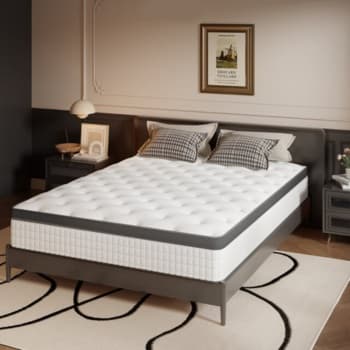
Go with a hybrid if you want springs underneath with additional cushioning from foam or another comfort layer on top.
How do they actually feel?
Memory foam reacts to heat and pressure, moulding around your body as you lie on it. If you like feeling cushioned, that's a real advantage. The trade-off is that memory foam responds slowly when you turn over or get out of bed, with some people finding it more restrictive than springs (1).
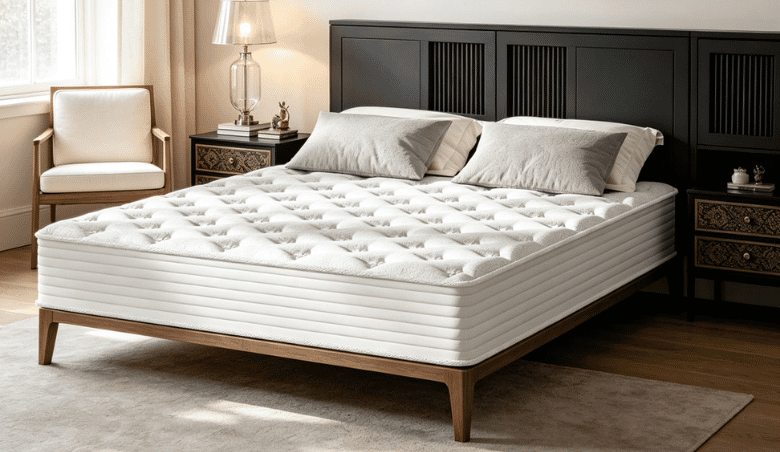
Pocket sprung mattresses hold individual springs in separate fabric pockets. Rather than the close, sinking feel of memory foam, the springs respond quickly as your weight moves across the mattress, which makes them worth considering if you like a more buoyant feel or change sleep positions often during the night.
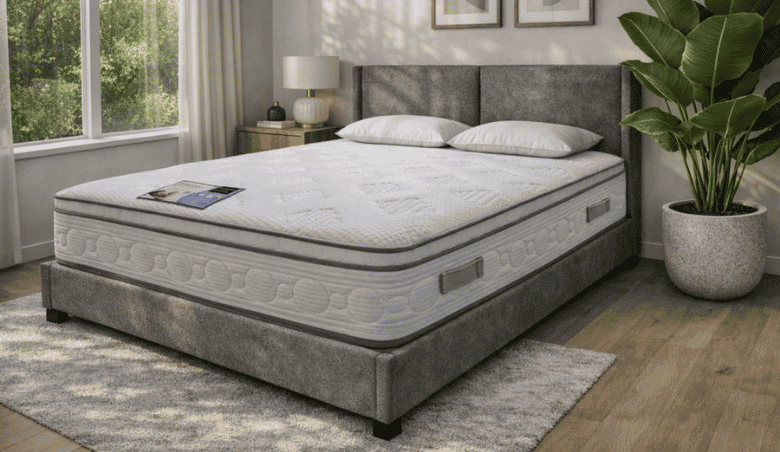
Hybrid mattresses generally combine a pocket-sprung core with foam or memory foam above them, giving you more cushioning than a traditional pocket sprung mattress while keeping some of that responsiveness. However, not all hybrids fall neatly in the middle of the two. The amount and type of foam used changes the feel of the mattress.
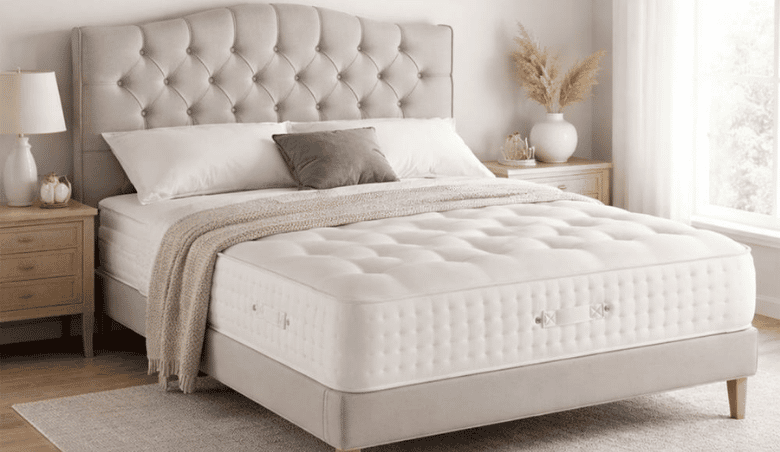
Which Mattress Keeps You Coolest at Night?
If you regularly overheat in bed, pocket sprung mattresses are great to start your search. The open space around the springs lets air circulate more easily than through a dense block of foam, and it's one of the main reasons pocket sprung mattresses tend to sleep cooler (1). Memory foam has traditionally had more of a reputation for trapping heat, which is why you'll increasingly see cooling gel, open-cell foam, cooling covers and temperature-regulating technology used in memory foam mattresses.
You should look at what's actually meant to regulate temperature, whether that's the foam itself, a gel layer or the actual cover. Since even within memory foam there can be big differences in how warm individual mattresses feel (1). Hybrids sit somewhere in between, and having foam in a mattress doesn't automatically make it warm.
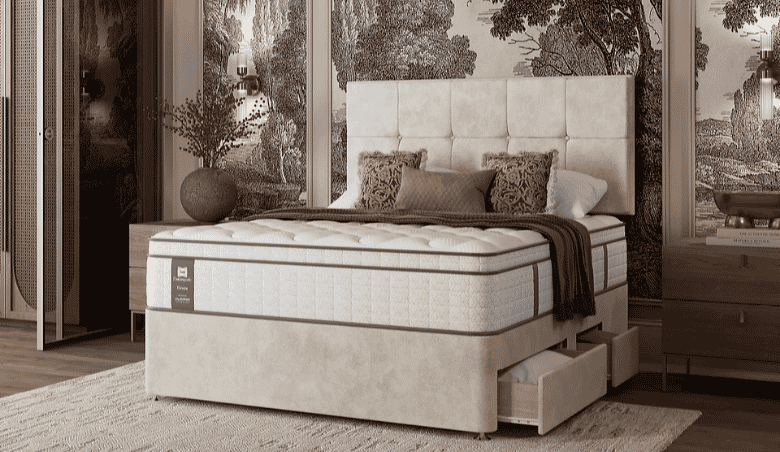
Is a hybrid mattress better than memory foam or pocket sprung?
Hybrids have recently become very popular. In 2026, Which? reported that hybrid mattresses had overtaken pocket sprung mattresses as the most popular type among its members (1). But popularity doesn't make every hybrid the better mattress.
"Hybrid" describes a broad category rather than one standard construction. Some mattresses contain several substantial layers of springs and foam. Others have a large pocket-sprung core with only a thin layer of foam above it, so thin that some reviewers reclassify them as pocket sprung rather than hybrid once the spring core clearly dominates (1).
When exploring your hybrid mattress options, it's important to check:
- What type of foam is used
- How deep the foam layers are
- The spring system underneath
- How responsive the finished mattress feels
- How warm or cool it sleeps
A good hybrid mattress combines the qualities you like about both foam and springs.
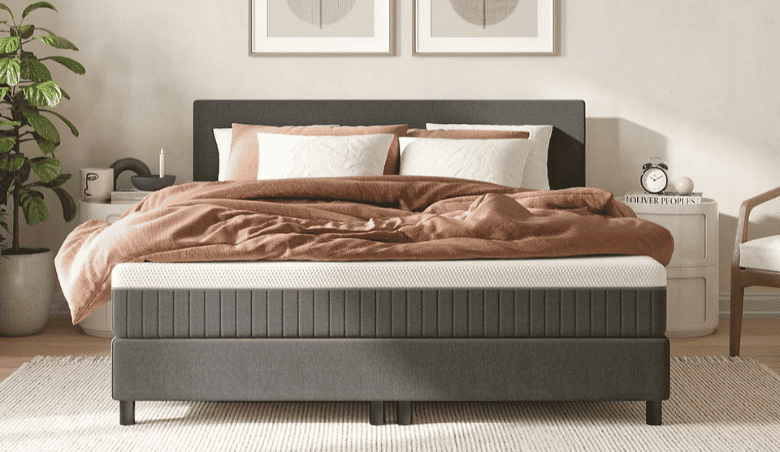
Does a higher pocket spring count mean a better mattress?
Seeing 1,000, 2,000 or even more pocket springs listed on a mattress can make comparison feel simple. Better support must mean more springs, right? The spring count is only one part of the construction. And a higher number of pocket springs doesn't automatically mean better support or a better-performing mattress (1).
The size and design of the springs, the wire gauge, the number of spring layers and the materials around them all affect how the mattress will perform. Some mattresses also use multiple layers of smaller springs, which pushes the headline spring count up considerably.
If you're weighing up a 1,000-spring mattress against a 2,000-spring one, don't pick the higher number purely because it's bigger. Take a look at its construction and whether the finished mattress will give you the comfort and support you need.
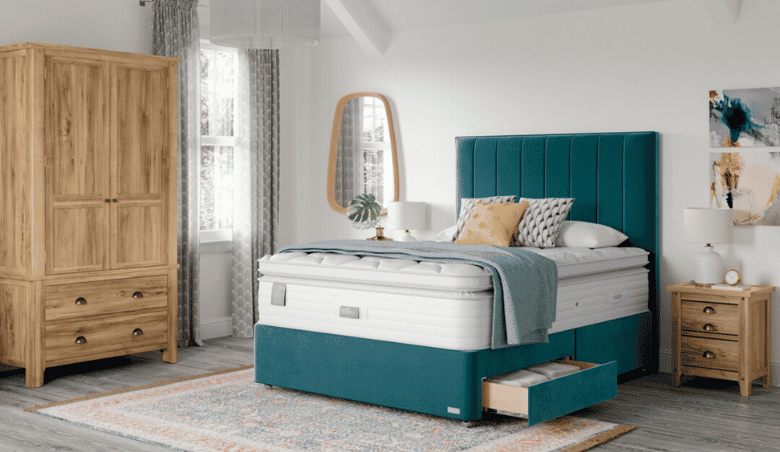
Do You Need a Memory Foam Mattress or Just a Topper?
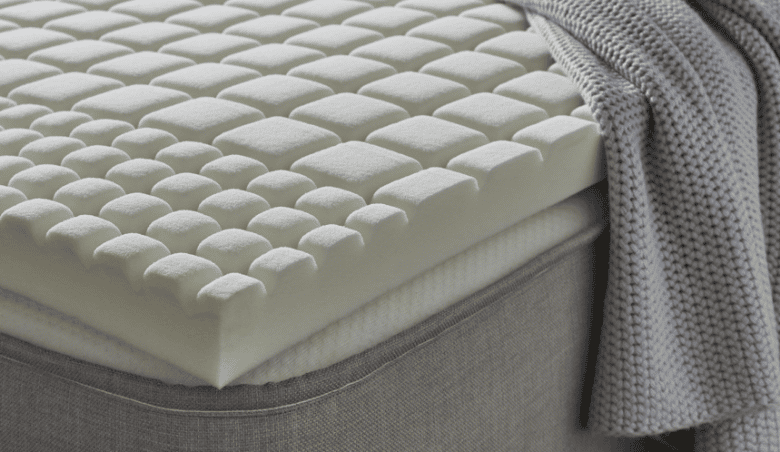
If you like the feel of memory foam, you might not need to replace your whole mattress. A memory foam topper sits on top of your existing mattress and adds another layer of cushioning. That's worth considering if your current mattress is still supportive but feels firmer than you'd like. The key word here is supportive. A topper can't repair a mattress that's already sagging or has lost its underlying support; you'd just be adding a comfort layer on top of the original problem.
Here's a simple way to think about it: if your mattress is supportive but uncomfortable, a topper could change how the surface feels. If it's sagging or no longer supports you properly, replacing it is likely the best option. Additionally, if temperature is already a concern, keep in mind that memory foam toppers can make a bed feel warmer.
Which Should You Choose: Memory Foam, Pocket Sprung or Hybrid?
By this point, the decision should come down less to which mattress type sounds best on paper and more to how you want it to feel and perform night after night. Memory foam, pocket sprung and hybrid mattresses all have their strengths, but the construction, materials and overall build of the individual mattress will make the biggest difference.
Once you know which mattress construction suits the way you sleep, you can focus on the details that matter next, including material, retailer and price. If you want more guidance on sleeping positions, firmness, back support, comfort trials and guarantees, our Types of Mattresses Explained: Which Is Best for You? guide takes a broader look at choosing the right mattress.
For more inspiration to create your perfect home, follow us on Instagram and Pinterest. Or, to search furniture retailers across the entire market, simply click here.