Choosing the right rug size starts with the furniture, not just the dimensions of the room. In a living room, the rug should connect the seating area. Under a dining table, it needs enough space for chairs to move comfortably. In a bedroom, it should extend far enough beyond the bed to give you a useful area underfoot.
The right measurements therefore change from room to room. Before deciding on a rug, think about what will sit on it, how you move around the space and how much flooring you want to leave visible.
This guide covers the most common rug sizes, how to measure your space and what to consider in living rooms, dining rooms, bedrooms and hallways. We will also look briefly at outdoor and open-plan spaces.
Rug sizing at a glance
If you need a quick starting point:
Living room: size the rug around your sofa and seating area.
Dining room: allow around 60 - 80 cm beyond the table where chairs need to move.
Bedroom: aim to leave enough rug visible beside the bed to step onto comfortably.
Hallway: leave around 10 - 15 cm of flooring visible along each side of the runner.
Outdoor and open-plan spaces: size the rug around the furniture group or zone rather than the whole floor.
The exact dimensions will depend on your furniture and room layout, so these should be treated as guides rather than fixed rules.
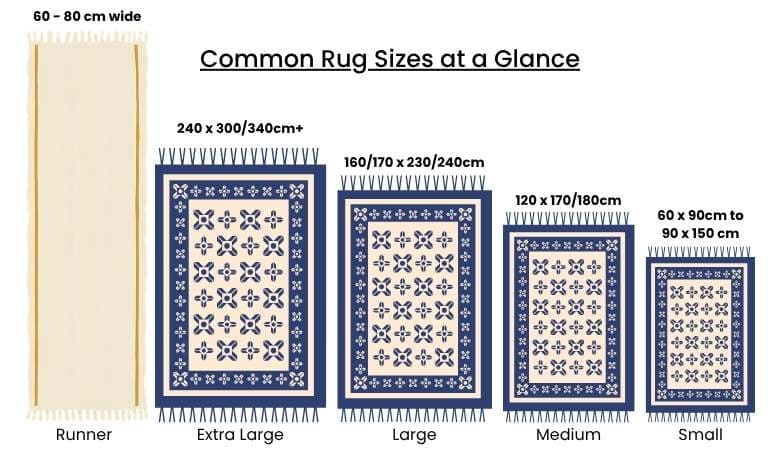
What are the most common rug sizes?
Rug dimensions vary between retailers, so a rug described as medium or large will not always have exactly the same measurements. However, these sizes give you a useful starting point when browsing.
How should you measure for a rug?
Start with the furniture the rug needs to work around. Measure your sofa and seating area in a living room, the table with the chairs pulled out in a dining room, or the full bed frame in a bedroom. Once you have an approximate size, mark the rug area on the floor with masking tape. Then use the room normally. Walk around the furniture, pull chairs back and open nearby doors.
A simple process to follow is: Measure the furniture. Mark out the rug. Use the space. Check the clearance.
This helps you see how the rug will fit before you buy it and can highlight problems that measurements alone may not reveal.
What size rug do you need for a living room?
For a living room, measure around the seating area rather than trying to cover a set amount of the entire floor. A useful starting point is to choose a rug that extends beyond the width of your sofa. Your sofa and chairs can then sit fully or partly on it, depending on the layout and rug size you choose.
There are three main ways to arrange it:
All furniture on the rug
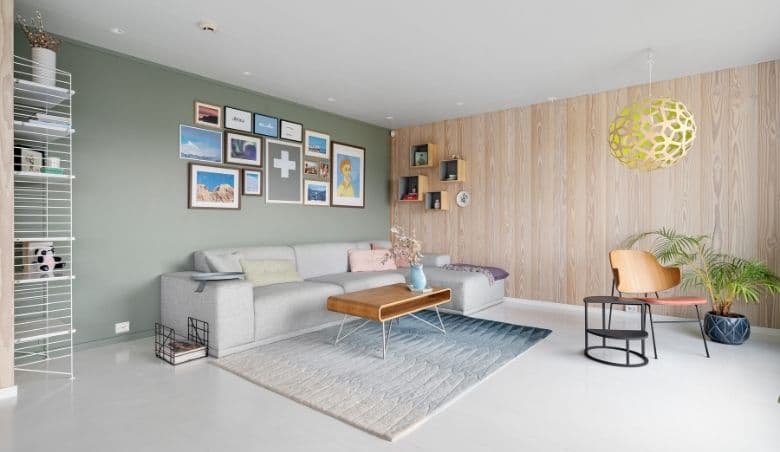
If you have enough space, a larger rug can sit beneath the sofa, chairs and coffee table. This works particularly well when you have several pieces of seating that you want to bring together. The rug creates one defined area without needing to cover the whole room. Leave some flooring visible between the rug and walls rather than trying to fill every available centimetre.
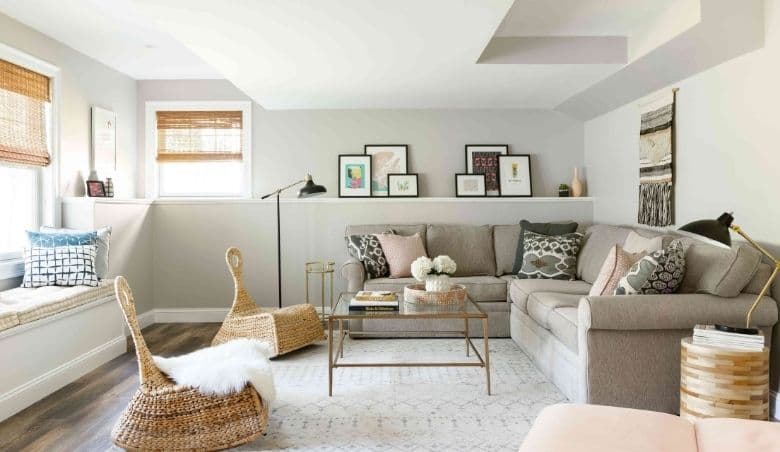
Front furniture legs on the rug
You do not always need a rug large enough to hold every piece of furniture completely. Instead, position the sofa and chairs so their front legs sit on the rug while the back legs remain on the floor. This helps connect the seating area without requiring a much larger rug.
This layout can also work well with a corner sofa. Aim to include the front sofa legs and coffee table rather than leaving a smaller rug floating between them.
A smaller rug in front of the sofa
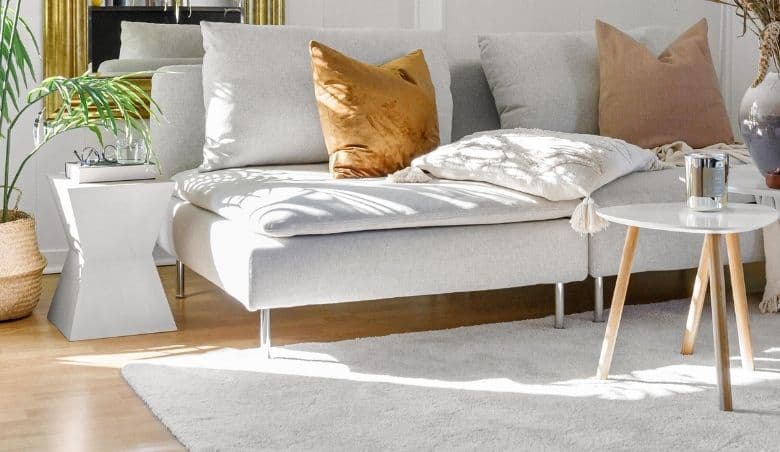
In a compact living room, a smaller rug can sit in front of the sofa or beneath a coffee table. There is no problem with keeping the sofa completely off the rug, but look at the space between them. If the rug feels disconnected from the seating, moving up a size may create a better balance.
The key question is not simply “How large is my living room?" It is “How much of my seating area do I want the rug to connect?”
What size rug should go under a dining table?
A dining rug needs to fit the chairs as well as the table. Allow around 60 - 80cm of additional rug around the sides where chairs need to move. This gives the chairs enough space to remain on the rug when they are pulled out and reduces the chance of the back legs catching on the edge.
For example, if your dining table measures 100 × 180cm, adding around 60cm on every side gives you an approximate rug area of 220 × 300cm. You can then look for the closest available size rather than expecting an exact match.
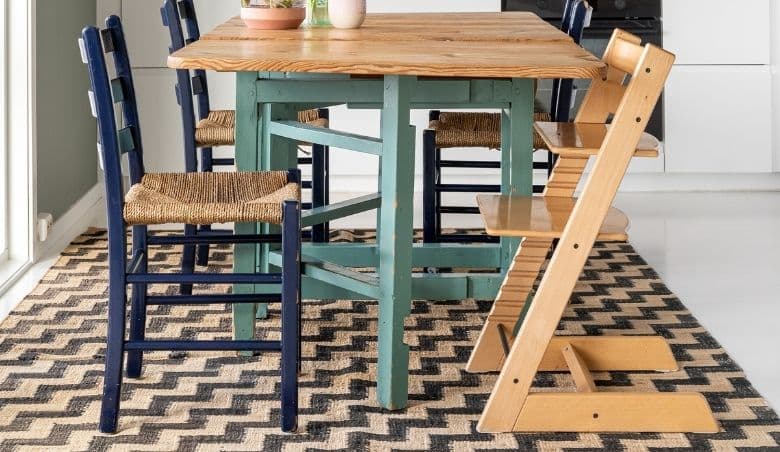
If you have an extendable dining table, measure it when fully extended. Choosing a rug around the smaller setup could leave too little room once extra chairs are added.
Shape can also influence your decision. Rectangular rugs work naturally beneath most rectangular tables, while round rugs can sit well beneath round tables. Whichever shape you choose, leave enough space for the chairs to move comfortably.
What size rug should you use in a bedroom?
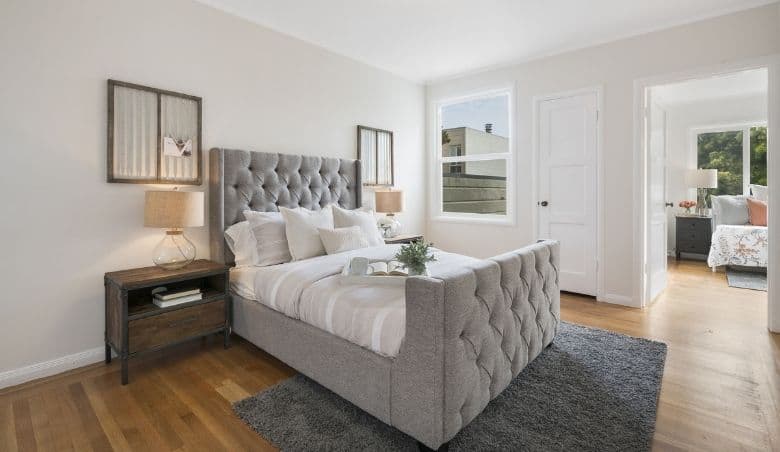
Bedroom rug size depends on how much of the bed you want to sit over and where you want to feel the rug underfoot. Where possible, aim for around 50cm of rug to remain visible beside the bed. This gives you a useful area to step onto rather than leaving only a narrow border beyond the bed frame (1).
There are three main layouts:
Full rug beneath the bed
A larger rug can sit beneath most or all of the bed, leaving a visible border at the sides and foot. This gives you the most floor coverage and works well when the bed is the main feature in the room. The bedside tables can sit on the rug too, although starting the rug just in front of them may reduce the size you need while still leaving plenty visible around the bed.
Rug beneath the lower part of the bed
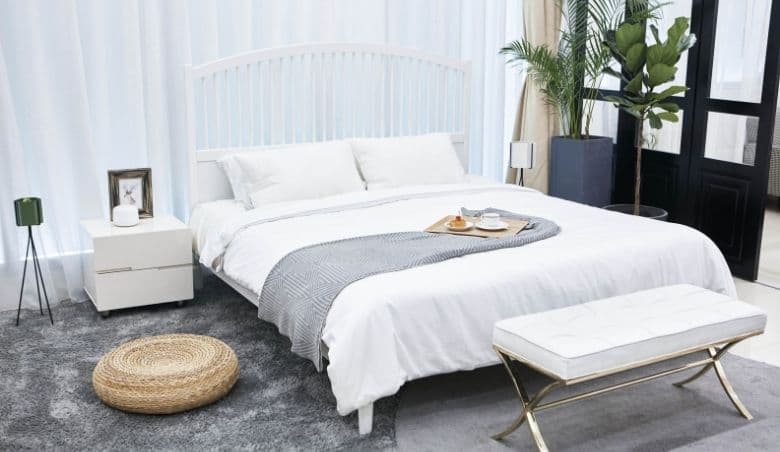
Another option is to move the rug further towards the foot of the bed. The upper section remains on the flooring while the lower part of the bed sits over the rug. This can still give you coverage along both sides and at the foot without requiring an extra-large rug.
Bedside runners
You do not need one large rug underneath the bed at all. A runner or smaller rug on either side can provide a softer area to step onto while leaving the floor beneath the bed uncovered. This works particularly well in smaller bedrooms or when you want to keep more of your existing flooring visible.
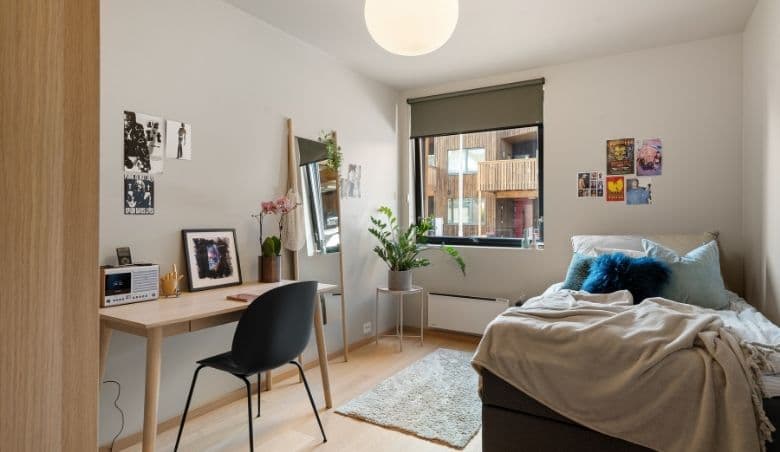
Whichever layout you prefer, measure the bed frame rather than the mattress alone. Upholstered, wooden and storage bed frames can extend beyond the mattress and change how much rug remains visible.
What size runner do you need for a hallway?
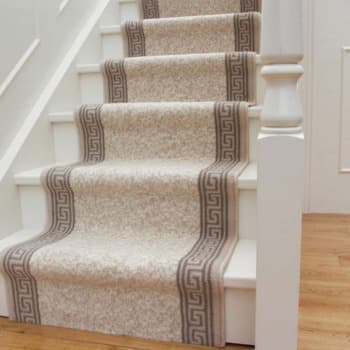
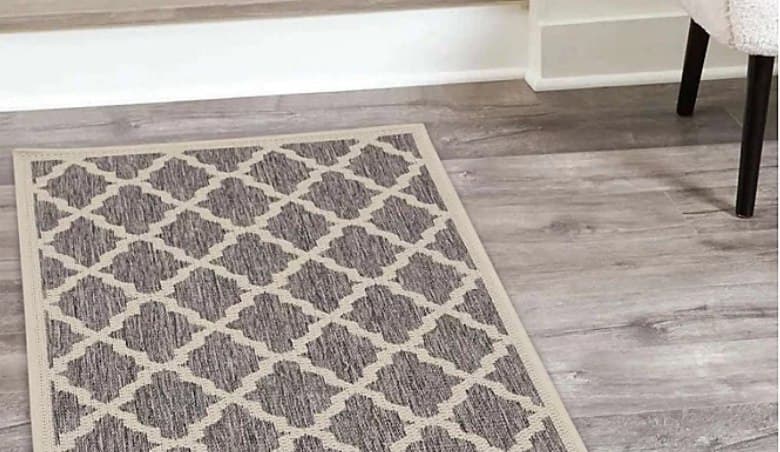
Hallway sizing works differently because there is usually little furniture to guide your choice. Instead, focus on the width, length and position of the runner. As a starting point, aim to leave around 10 - 15cm of flooring visible on either side (2). For example, if your hallway is 100cm wide, a runner around 70 - 80cm wide could work well.
For a narrow hallway
Avoid choosing a runner that almost reaches both walls. Leaving flooring visible along each side helps the runner sit within the hallway rather than looking like fitted carpet. Measure at the narrowest point, especially if radiators or furniture reduce the usable width.
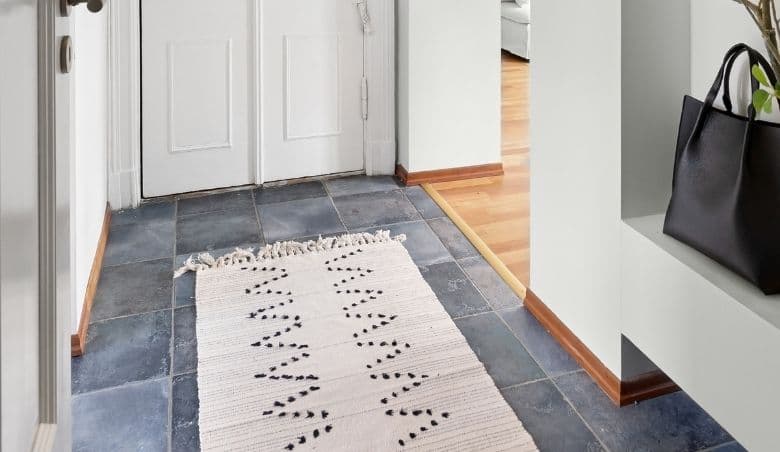
For a long hallway
A runner does not need to stretch from one end of the hallway to the other. Leaving some flooring visible at each end can work well, particularly where the hallway opens into another room or changes direction. For a particularly long hallway, compare available runner lengths before deciding whether one long rug or separate sections will suit the space better
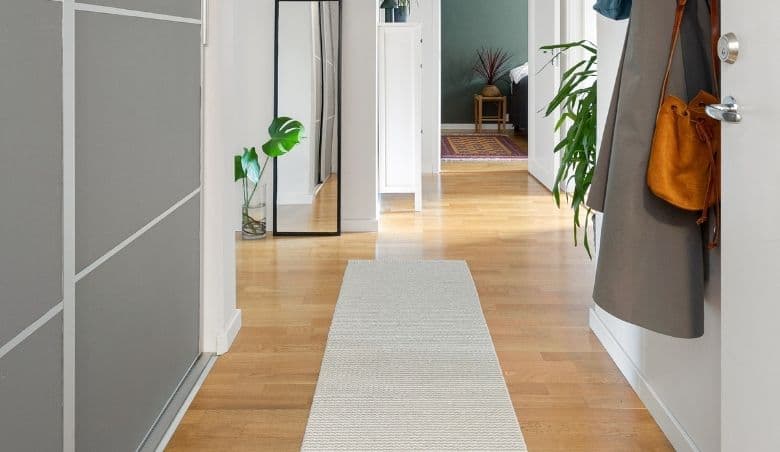
For hallways with several doors
Width is not the only measurement that matters. Open nearby doors and check the gap between the bottom of each door and the floor. A runner may fit the hallway perfectly but still be too thick for a door to open over it.
George at ASDA, for example, currently offers washable runners for hallways and other high-traffic areas, showing how the narrow runner format can work in busier parts of the home. The aim is to leave enough visible flooring around the rug while making sure it does not interfere with doors or adjoining rooms.
What size outdoor rug should you choose?
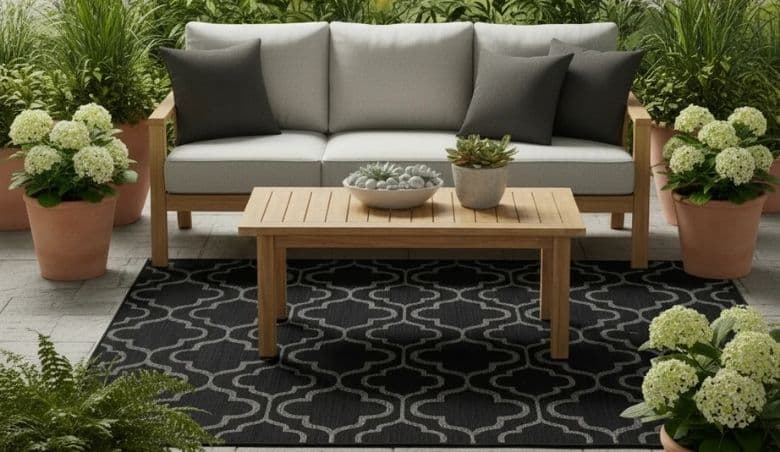
For an outdoor rug, size it around the furniture arrangement rather than trying to cover the patio or decking. Under an outdoor sofa set, choose a rug large enough to connect the seating. Having at least the front furniture legs positioned over the rug can help bring the area together.
For outdoor dining, allow enough space for the table and chairs, including room for the chairs to move back.
What size rug works in an open-plan space?
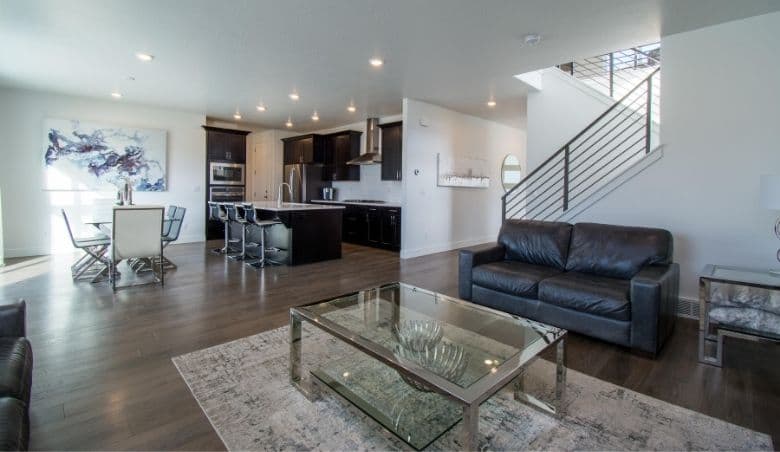
In an open-plan room, measure the zone you want the rug to define, not the entire floor. For a living area, this may be the sofa, chairs and coffee table. For a dining area, use the table and chairs.
A larger rug can help connect furniture within one zone and create a clearer divide between living, dining and kitchen areas. The rug does not need to match the scale of the full open-plan room. It only needs to work with the furniture group you want it to bring together.
Which rug size should you choose?
The right rug size is rarely determined by the room dimensions alone. Start with the furniture the rug needs to connect, allow enough space for movement and check how much flooring you want to leave visible.
Before buying, mark your preferred rug dimensions on the floor and use the room normally. Pull out chairs, open doors and look at how the rug sits alongside your furniture. A few minutes spent testing the footprint can make it much easier to choose the right size.
Once you know the dimensions you need, you can find your perfect rug at uFurnish.com from 100+ retailers in the UK.